• MY BOOKS ON WILDLIFE, GARDENING AND MORE

  • The Wild Excellence

  • True stories of wildlife encounters around the Greater Yellowstone
  • Award winning eBook on Decomposed Granite, tips, how to's, what to watch for
  • Children's book. True stories of a dog and wolves. In a dog's voice
  • Written for dry Mediterranean climates in California, north and south

The babies and Medicine Lodge Park

Birds several days ago

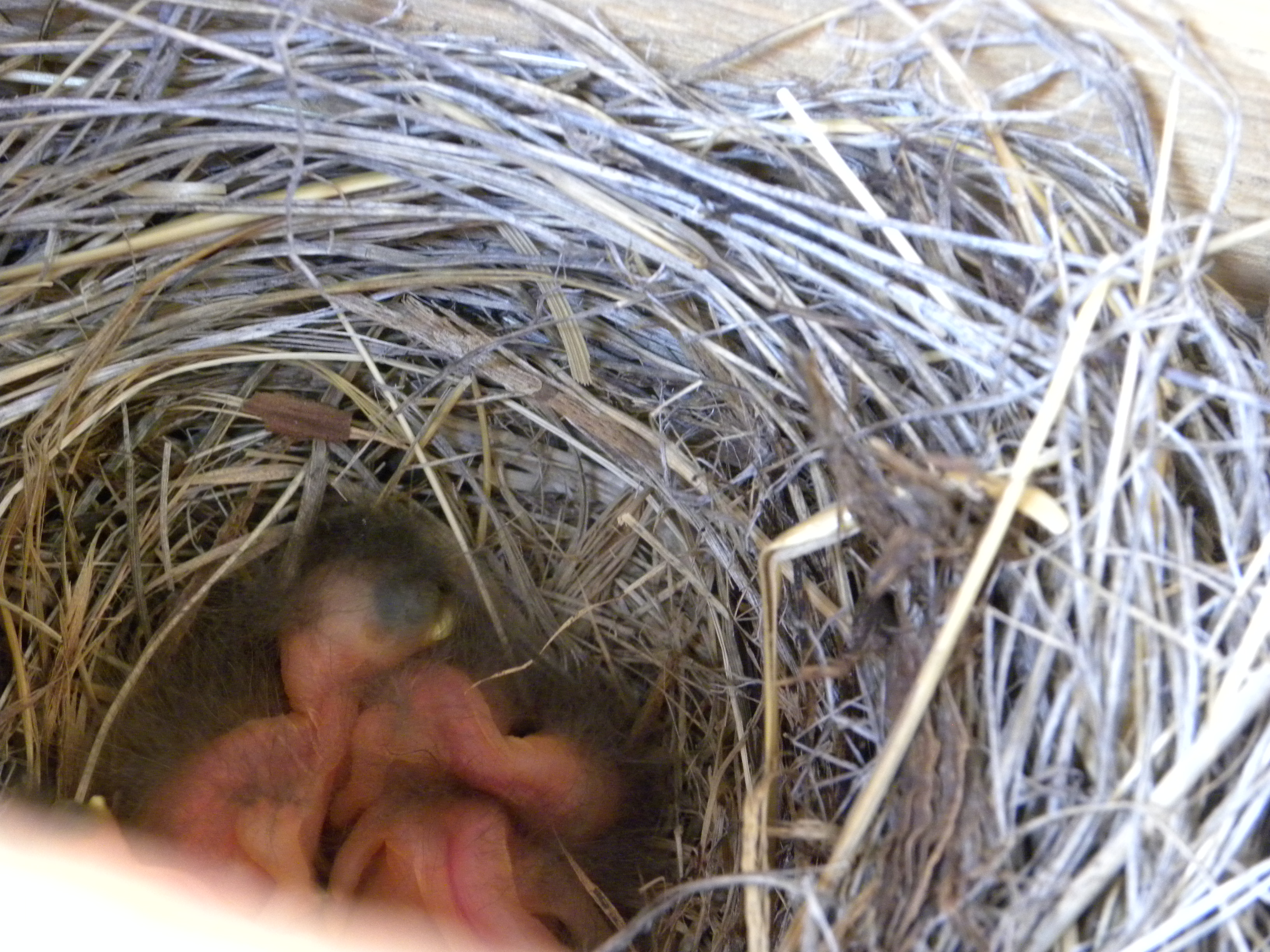
Here are the baby bluebirds several days ago.  Now here they are today.  Boy do they grow fast.

Bluebirds today

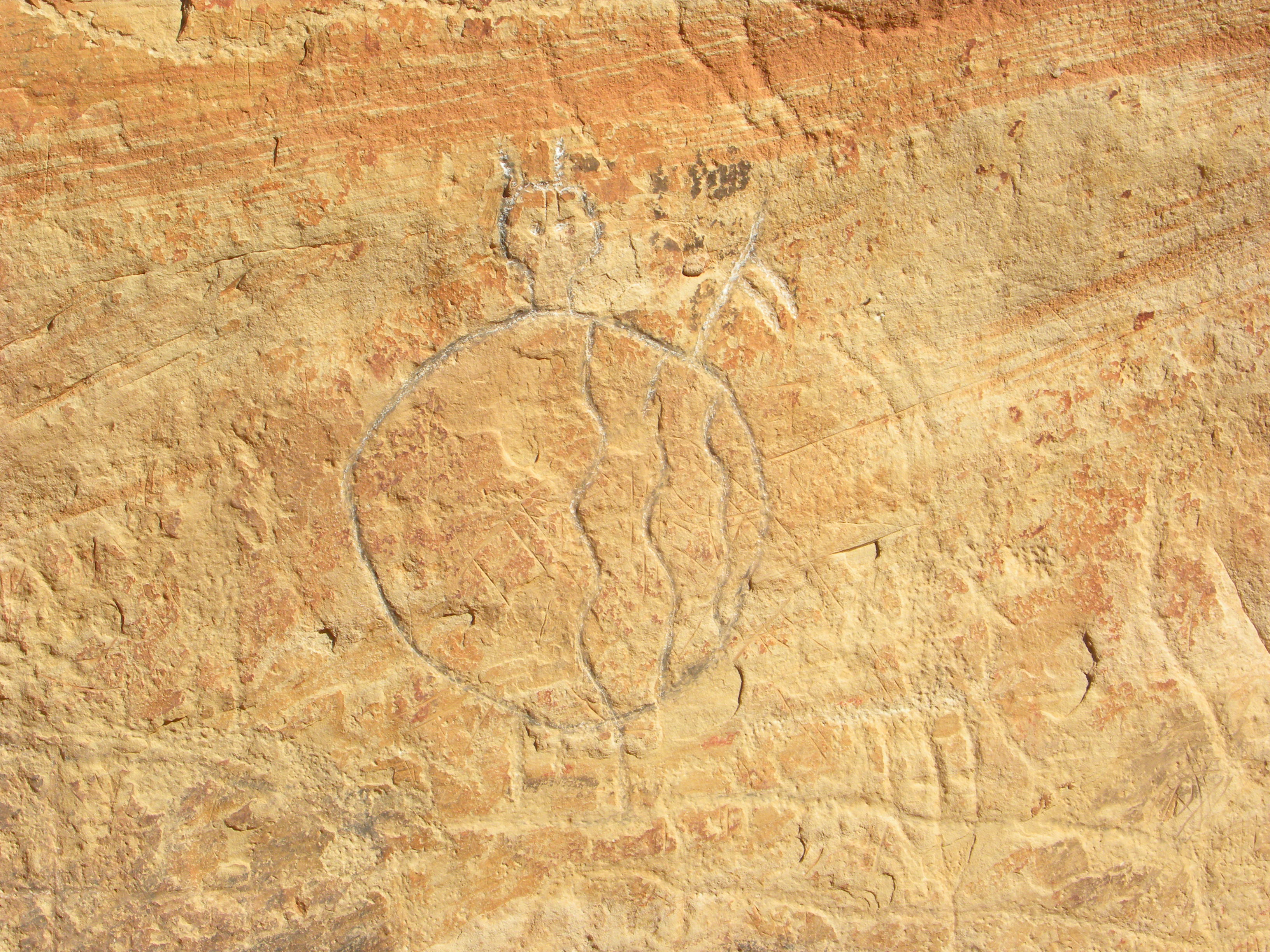
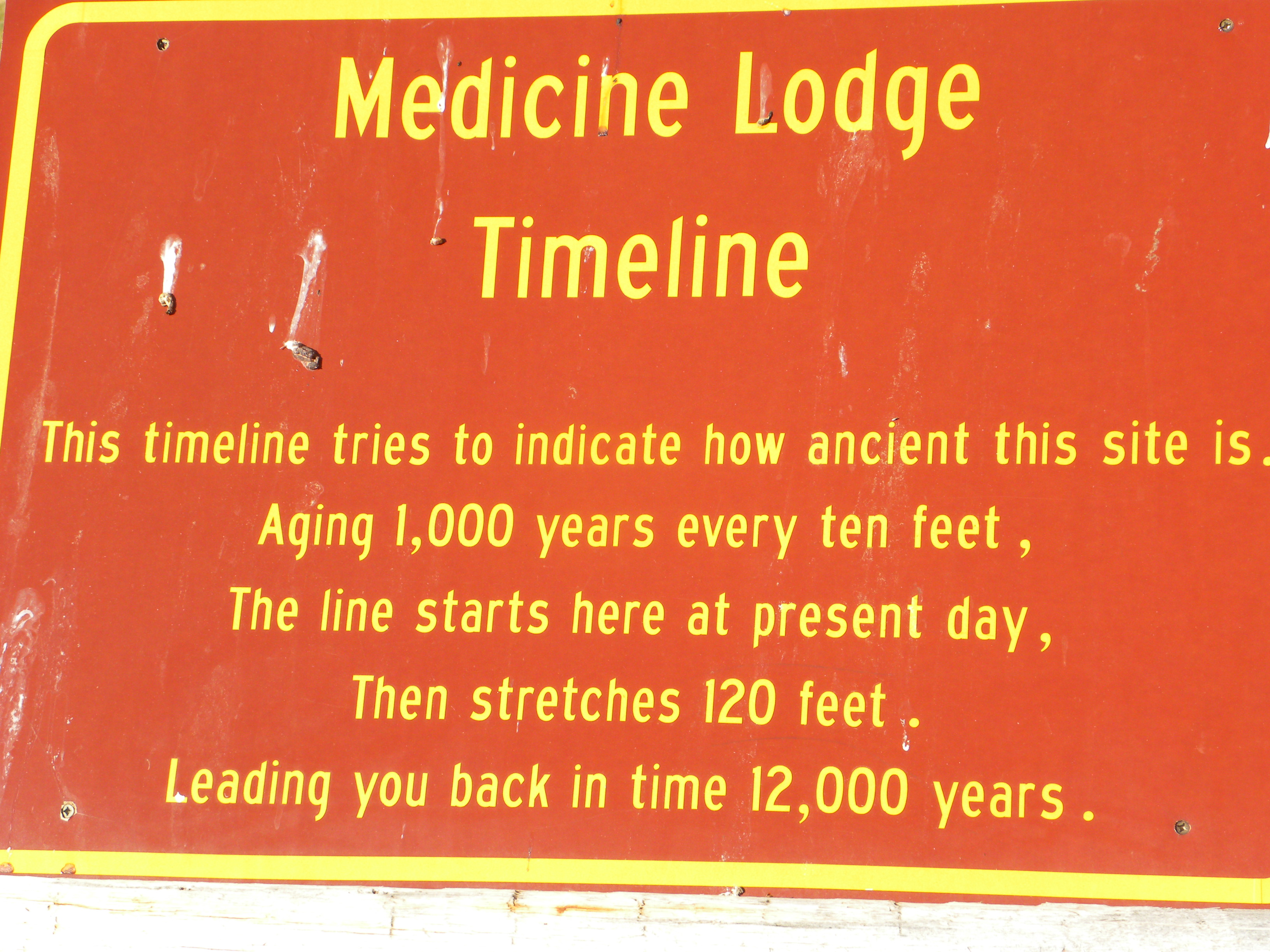
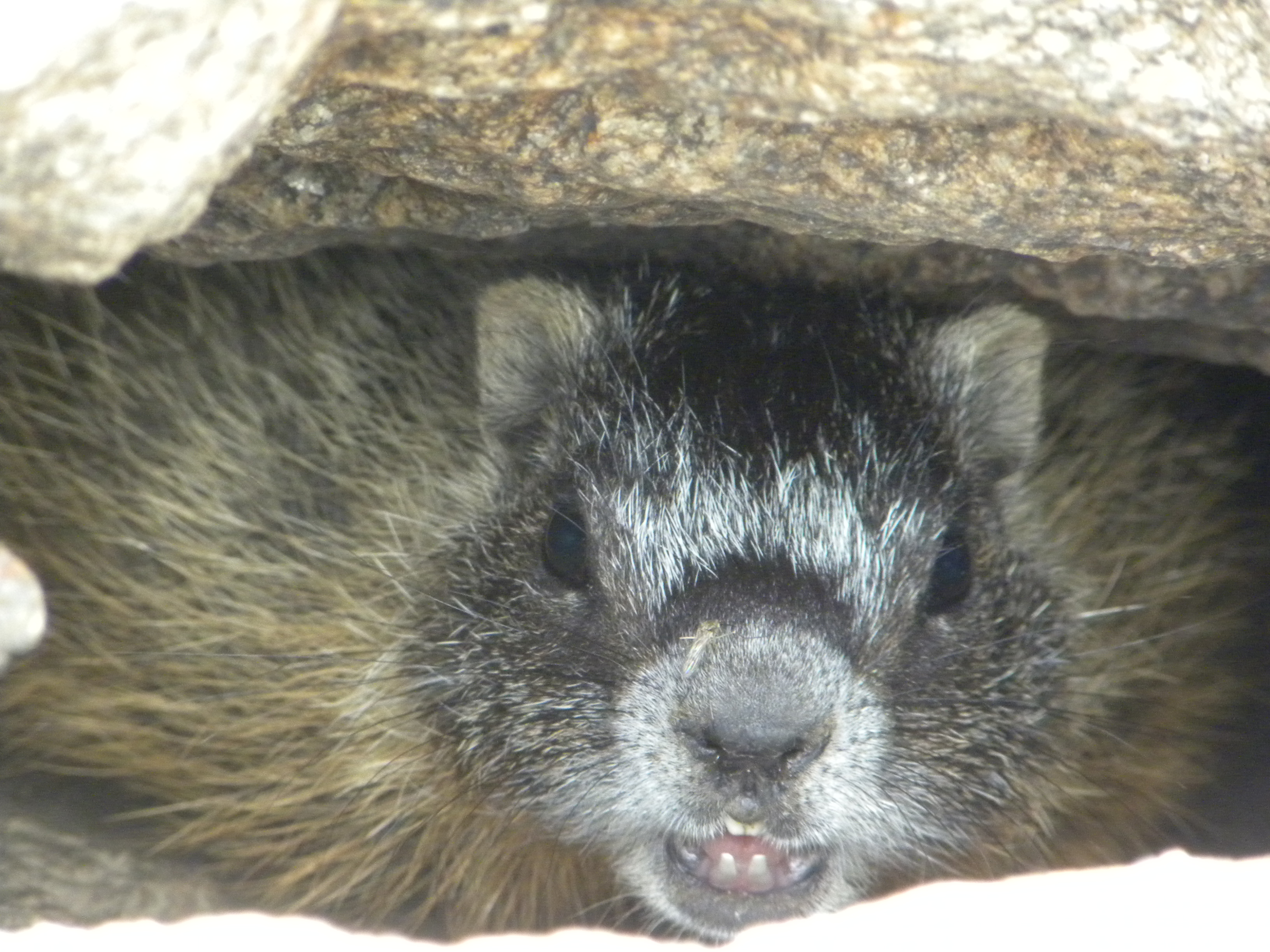
Last week I took a trip to Medicine Lodge State park near Hyattville.  A well-tended State Park, the spot is an oasis in the Big Horn Basin.  This site was excavated in the 70’s by George Frison.  Its a continuous occupation site of over 11,000 years!  Here are a few photos.

The stone wall palette

Fat marmot

Bluebirds and coyotes

Last years box; this year's first inhabitants

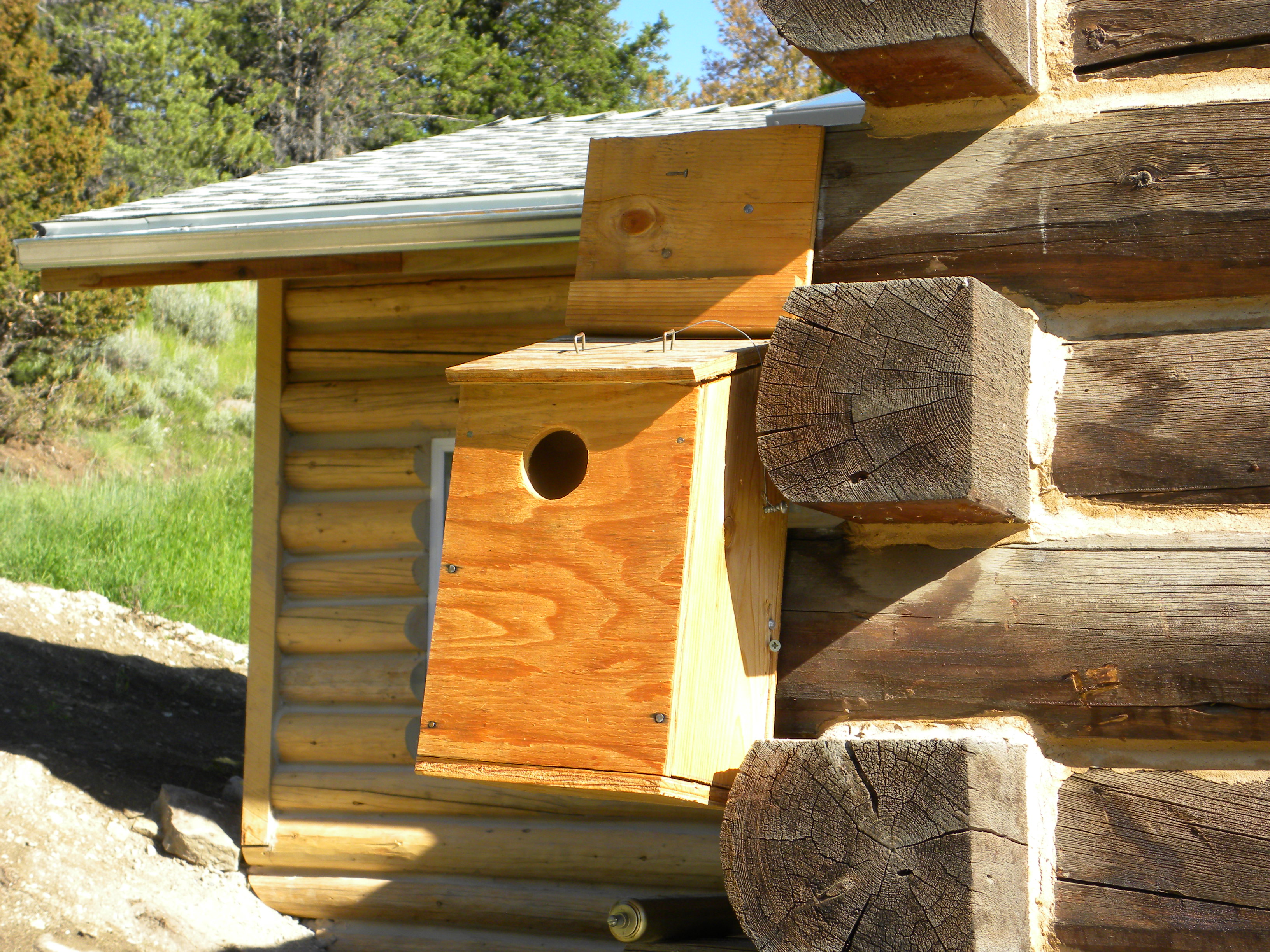
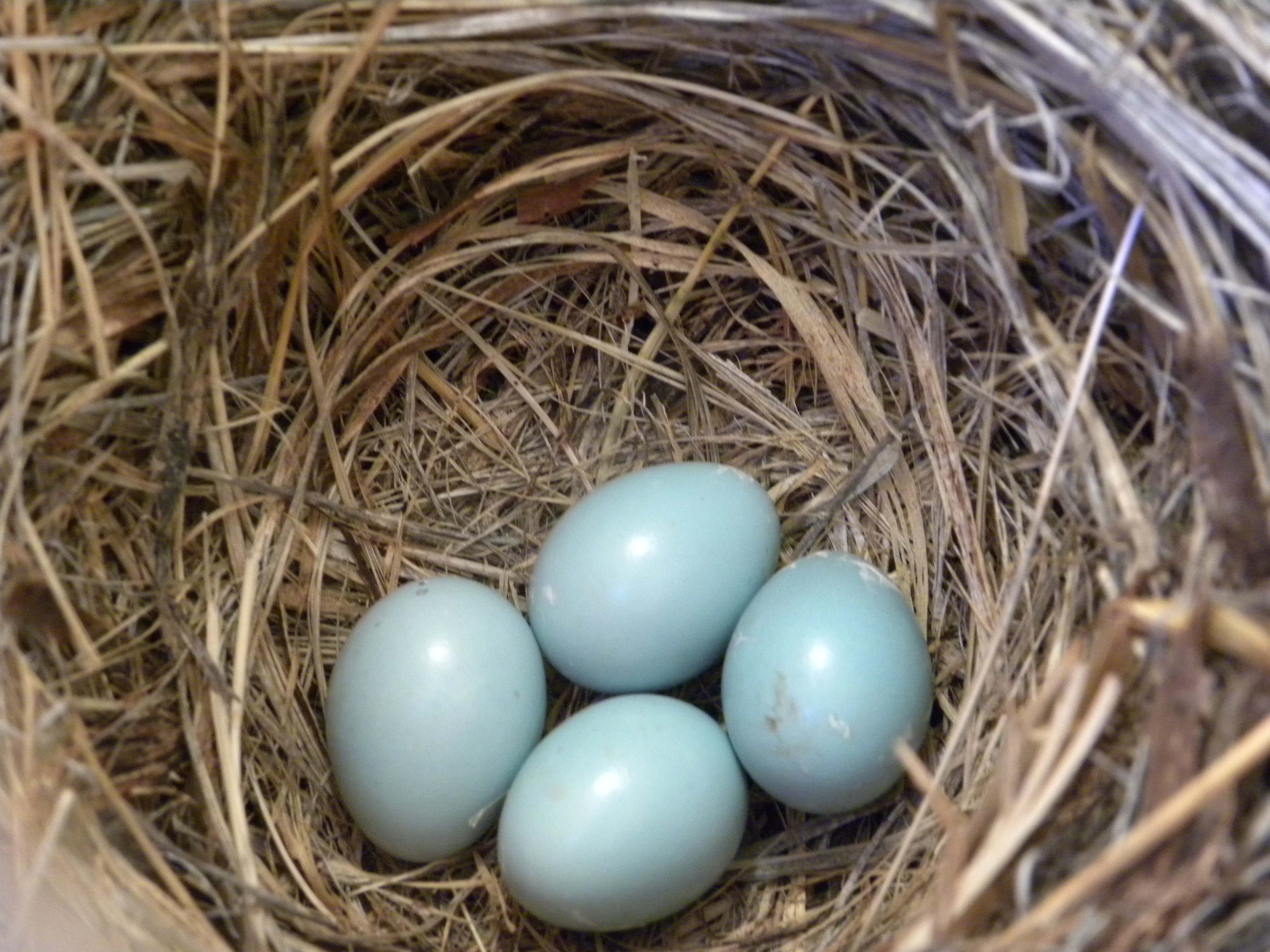
Last year I made this blue bird box but no birds liked it.  Then I heard that it takes a year before they’ll use it.  And, voila, some birds came and are nesting.

Bluebird clutch of eggs

That was several weeks ago.  Just a few days ago, I heard some little ‘peeps’ and thought ‘They’ve hatched!’ I built the box as an observation box so I waited till momma and daddy left, then peeked in.

The babies

Sooo cute!

Well, they’re only cute because they are so little.  Actually they are funny looking without any feathers yet.  I was told that I should knock before entering.  That way if there’s a bird in there, they will leave.  But a few times I’ve knocked and then opened the top and there’s momma sitting on either the eggs or now the babies.

Mom and Dad are such good parents, watchful all the time and constantly getting bugs for the babies.

Momma

The other day I had a weird thing happen.  Early one morning I heard a crashing in the forest, lots of squirrel alarms go off, then nothing.  I thought maybe it was a bear.  I looked up at my fence line up the hill moments later, and there stood a young buck.

‘Strange’ I thought.  Deer don’t usually crash through the woods.  Maybe he was being chased.

Later, around 2 pm, I looked up towards the same area I saw the deer in the morning and noticed some large animal lying in the grass.

“Strange’ I thought again.  “Its too hot for an animal to be lying in the sun mid-day”.  I went up to look and there was my young buck, dead.  He hadn’t been killed by an animal, he hadn’t gotten tangled in my fence.  Only his eye was bloodied.

I called the game warden.  He needs to know these things and besides, I don’t want a bear in my yard tonight.  He examined the deer and also had no idea how or why he died.  He took the buck, along with my trail camera, to a remote area.  We thought we’d get some good grizzly pictures, or maybe wolves, but instead got coyotes on the deer.  Here’s a clip from my trail camera:

Error
This video doesn’t exist

“A hike is just a walk in a place where you can pee”  Demetri Martin

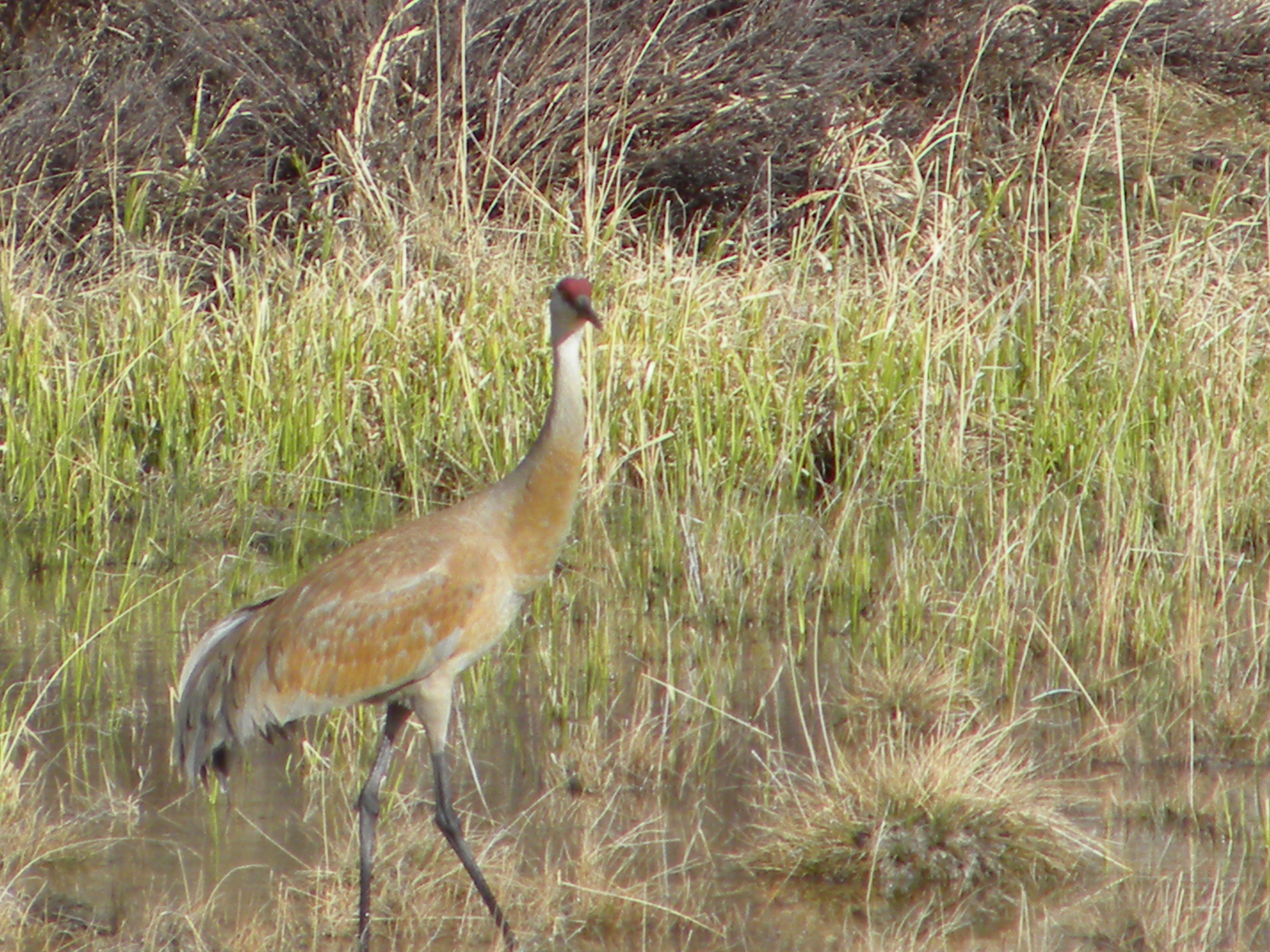
The Sandhill Crane

They’ve been back for a while.  They are the heralds of spring.   Their call is distinct, awesome.  They’re beautiful to watch fly or on the ground.  The Sandhill Crane.Here’s a short video I took the other day on the road to Yellowstone.

Error
This video doesn’t exist

Elk, Eagles, and an equinox moon

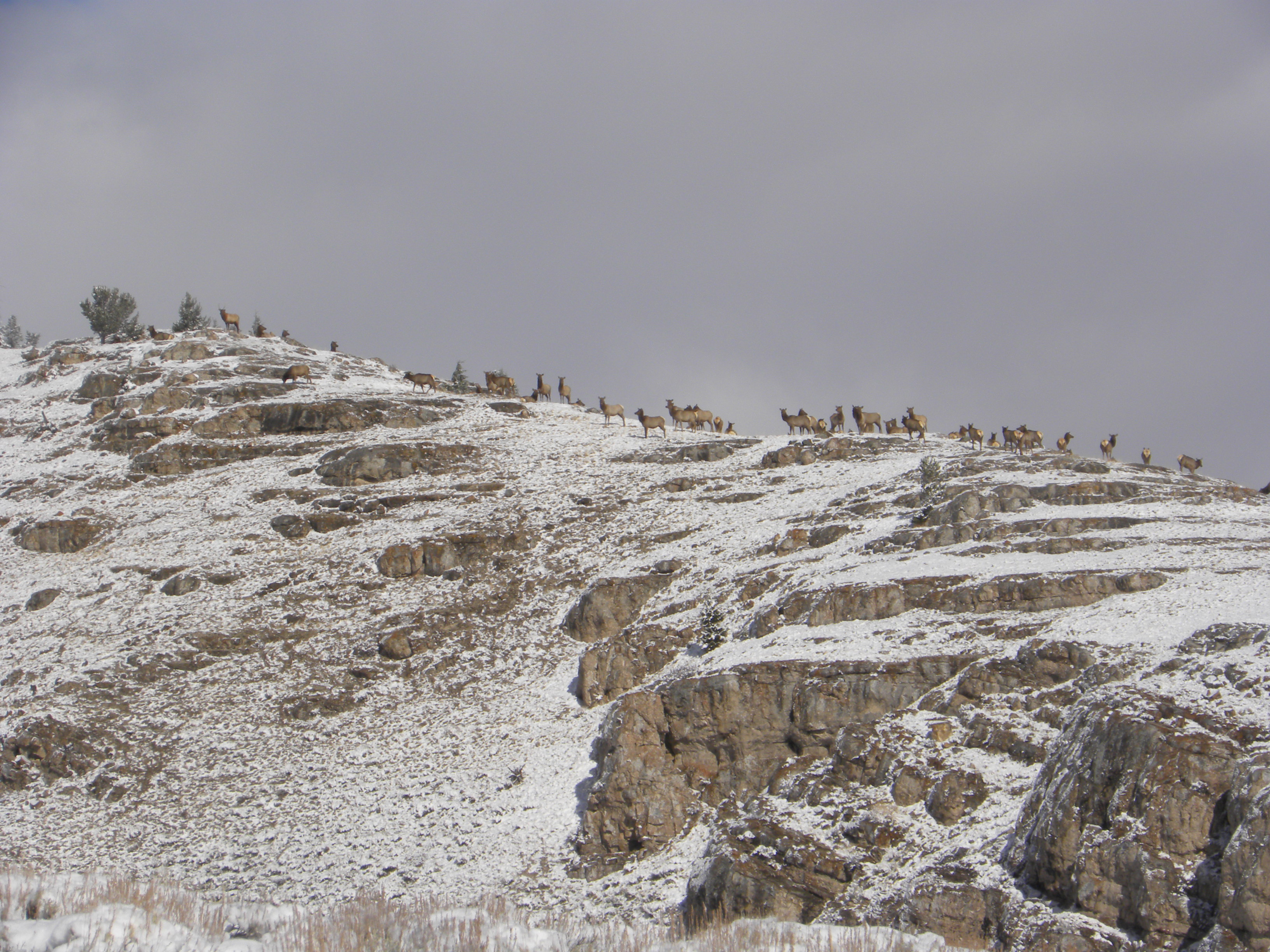
I took a hike up Little Bald Ridge to see the Bighorn Sheep.  They’re usually there in the winter.  On the way I spied a herd of about 700 elk grazing on the hillside.  It was a gorgeous day after a light snow.  The trek up there can be hard if the snow is deep.  Usually in March it is.  But we’ve had so little snow this year, interspersed with warm days where the snow has melted off, that only a few inches were on the ground.

Elk herd resting mid day

Large elk herd

(Here’s is a video I took from inside of my cabin the other day when the herd came through at dusk)

Error
This video doesn’t exist

By the time I got to the top of the ridgeline, there were no sheep to be found.  I walked and glassed all along the top without any luck.  They must have gone elsewhere.

An immature Golden Eagle played on the currents.  I’d seen a nesting pair last year up here.  The Eagles like these cliffs to nest in.  I supposed this was one of their offspring.  Hope he finds a mate this year.

Valley after a light snow

Although I found no sheep, I did find an elk kill in the valley. The kill was made right at the fence line of the local ranch.  At first I wasn’t sure if the elk had gotten caught trying to jump the fence.  This happened last year.  But the ranch manager assured me it was a kill, although we don’t know from what.   He hadn’t seen any wolves on it, and the last kill I’d seen the wolves had been there all week, nibbling.

I parked at dusk close bye and watched, wondering if any wolves might come around.  The crows and magpies were going to town on it.  Suddenly, the immature eagle swooped in and all the smaller birds flew away.  I watched the eagle pick at the remains.

Eagle on kill

Then an odd thing happened.  A group of 5 yearling cows came trotting over.  The eagle, feeling threatened, fled.  The young cows edged slowly over to the carcass and one by one, sniffed at it.  A big mama cow walked over.  Standing right by the carcass, she mooed at the yearlings, over and over, as if to shoo them away.  I liked to imagine her as the wise cow elder, telling these yearlings “If you don’t watch your p’s and q’s, you might end up like that.”

J__, the ranch hand, and I chatted on the road as the crescent moon rose in the equinox evening.

“I saw those cows going over towards the kill and thought I should check on what’s going on with them.  I used to take care of a herd of Bison and I’ve seen them do the same thing—go sniff out a carcass.  Strange.”

Immature Golden eagle

It was a perfect equinox day and night, or is that redundant?

Getting to know my neighborhood at twilight

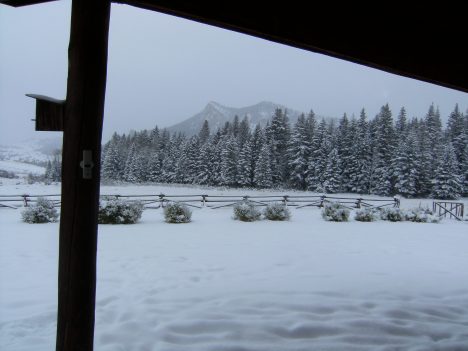
There’s a wonderful little forest next to my house.  Its where seven springs emerge out of the limestone that feed the cabins around here.  A trail leads through the woods to the meadows beyond.  Even though these woods are not large, and are surrounded by cabins, its a bustling place.My Little Woods
Deer, turkeys, coyotes, moose (on the lower end its marshy with willows), black bear and sometimes grizzlies, and plenty of small mammals frequent the area.  I’ve been trying to get to know my neighborhood, so I walk through the woods, exploring its smells and tracks, at least several times a week, mostly at dusk.

Last week I called a Great Horned Owl.  We had a nice conversation, back and forth.  He was roosting somewhere on the hillside, when a band of turkeys came noisily through the brush.  Maybe he didn’t like them scaring his potential dinner every which way, because he burst through the trees and flew down to the lower ends of the forest.  I did have to wonder if some of those turkeys’ young would be a nice meal for him this spring.

Several years ago, after the Point Reyes fires in California, the Park Service obtained money for Spotted Owl research.   I was lucky enough to help in the three year study.  My area was in a State Park with Redwoods and Douglas Fir, some of it old growth.  The first season was about locating the owls.  We learned to imitate their calls.  Owls, I found out, don’t care how exact your call is.  If I kind-of sounded like a spotted owl, they’d call back.

The next season we ‘moused’ the owls in order to find their nests and estimate the number of breeding pairs.  We brought lab mice into the field.  Since we already had an idea of the territory of the owls from the year before, we hiked to those areas, called in the owl, put the mouse on a stick and the male would take the mouse back to the female on the nest.  The third year we counted mature chicks.  The main predator of Spotted Owls is the Great Horned Owl–“The Lion of the Night”.

Helping with that study I learned a little about looking for owls.  The best way to find an owl is to spot their droppings around the base of a tree. Droppings at base of trees indicate owl roosts I’ve looked for this before in those little woods and easily found the roosts of Great Horned Owls and their pellets.  Pellets are not owl scat but the undigested parts of their food, regurgitated up in a large pellet.  If you open the pellet up, the evidence of their meal(s) is right there in the form of bones and hair.

Tonight though I was in for a surprise.  I was tooling around the woods at dusk like I do several times a week.  I decided to follow a deer run under some brush when I spotted some droppings at the base of a snag.   I bent down to get a closer look, and spooked a bird out from the top of the snag.  The bird flew to a nearby tree.  I felt there was something unusual about this bird so I told the dog lie down and I slowly crawled out from the low hanging branches and looked up.  It took me a few minutes for my eyes to adjust to the dim light and understand what I was seeing, as at first the bird seemed like a large robin.  It was a small owl, about 7 inches long, just as curious about me as I was about it. I adjusted my eyes I sat down on a log, watched and talked to the bird.  I found a pellet beside the log, about 1/2 the size of a Great Horned pellet.  After a long time, I crawled around and hung out with the bird from a closer and better angle. The owl wasn't afraid The owl wasn’t afraid at all.  In fact, he reminded me of Spotted Owls.  When we did our study, I was sworn to secrecy as to where the owls were located.  Spotted Owls are so tame that they can easily be approached and because they are endangered, we were especially careful.  This owl even started falling asleep while the dog and I sat there (Spotteds spend a lot of time sleeping too).

Hanging with that owl, I could see why there is a lore about them being ‘wise’.  Looking in his eyes, so close, he had an intensely calming effect on me.  Koda and I bade our goodbyes for the night and I went home to look up his name.  The Northern Saw-Whet Owl. I know Screech Owls also live in those woods because I hear them frequently.  But so does the ‘Lion of the Night’.  Stay safe little owl.Northern Saw-Whet Owl

Bluebirds

I’m told we’re having typical March weather–one day its snowing and the next its 50 degrees and sunny.  But it must be spring because I’ve seen mountain bluebirds.  The previous owners built nesting boxes and put them all around.  I decided to check all the boxes, fix them up and clean them out.

I’m not a very good birder.  For some reason, bird identification is really hard for me.  I’ve done lots of walks with birders, looked at the books, listened to tapes, but I just can’t remember most birds.  Plants I only have to see once and then I’ll remember their latin and common name.  But birds are just hard for me.

I assumed that I should clean out the boxes.  There’s at least a dozen or more old boxes on the property.  I knocked the tops off to clean them, and most needed repairing.  Sure enough, when I opened them up, all were filled to the brim with twigs and nesting materials.  In one I found 2 perfect small eggs that never had hatched.

Since two boxes completely disintegrated, I decided that I was going to make replacements.  I got a plan online from the American Bluebird Society, complete with materials list and to-scale drawings.   I bought some cedar in town, and began my project with excitement.

I like carpentry and also don’t really know what I’m doing, so of course, I didn’t quite read the measurements right.  I saw the 5 1/2″ wide and assumed that every side was 5 1/2″s.  Nope, some were 7 1/4″.  My birdhouse is full of improvisions and fudging, but it didn’t come out too bad, especially for a first time carpenter.  Making the cuts with the power saw and putting something together from scratch made me feel ‘powerful’, the illusion of a self-sufficient woman.  The good thing about my birdhouse is that I can open the lid as its only attached by wires.  That way I can view the nesting process. My new deluxe box.  Not bad for an amateur carpenter!

But here’s the bad thing:  I don’t really like the birdhouse.  Its so big compared to the rustic ones that came with the house.  Even though I made it to the “professionally advised mountain bluebird specs”, its just so big and clunky.  The ones already here are funky, falling apart, have different sized holes, have pencils for perches (you’re not even supposed to have perches!), are small, but the bluebirds LOVE them!  They fill up every year; even though they’re not kosher homes.Funky houses that came with the property

So instead of making more of these ‘trophy’ homes, I found scrap pieces and fixed up the old ones best I could.  It wasn’t easy, because everytime you put a nail in, you risked the box falling to pieces.  These nest boxes were on the verge of disintegration.  In fact, one of the worst looking boxes is the most beloved of the birds.  Instead of the hole being 1 9/16″ like the drawing says, this hole has been pecked over and over again with the years so it’s 2 1/2″ wide.  There is no roof overhang and the side has a big air hole in it.  I fixed it up with scraps here and there, so at least the breeze wasn’t a gale inside and I put on a roof with an overhang.  They love the funk!

I like my bluebird ‘shanty town’.  In these hard economic times, I think the bluebirds have the right approach.  They don’t need much, they reuse, don’t really care what it looks like, and seem happy enough with the cramped quarters.  I’ll just bet that all my old boxes are filled soon. I’m not so certain about the new deluxe model.