• MY BOOKS ON WILDLIFE, GARDENING AND MORE

  • The Wild Excellence

  • True stories of wildlife encounters around the Greater Yellowstone
  • Award winning eBook on Decomposed Granite, tips, how to's, what to watch for
  • Children's book. True stories of a dog and wolves. In a dog's voice
  • Written for dry Mediterranean climates in California, north and south

The Eternal and the changeable

I haven’t lived here much time, but it’s confirmed by my neighbors and friends that in the past year there’s been lots of enormous changes in the valley.  When so few people live around you, the impact of just one becomes magnified.  And although we all live different lives, seemingly unconnected, we are connected through the fabric of this Place.

Just in the last year several long time residents (or part-timers) have died.  Others have moved or are intending to sell.  Friends I made amongst the ranch hands have left.  The students I’ve come to enjoy doing the animal studies are closing up shop.  And a few of the older permanent residents have gone to town where there are more health services.

The small forest on private lands next door to me was logged this winter for beetle killed trees.  The left over devastation of debris, tractor compaction, blow down trees, channel-less streams, and icy mayhem seems a good visual metaphor for the human disruption in the valley.  The beetles were moving silently in a natural tempo.  The humans’ business is helter-skelter.

Change is inevitable, but so much is hidden when you live in a city or burbs.  In the bustle of its’ cultural homogeneity, flow and movement is a fast tick-tock.  Life just keeps going without pause and mostly without notice.

Yet in this Place where geological ‘eternity’ records time, every life is noticed, even the deaths of small things.
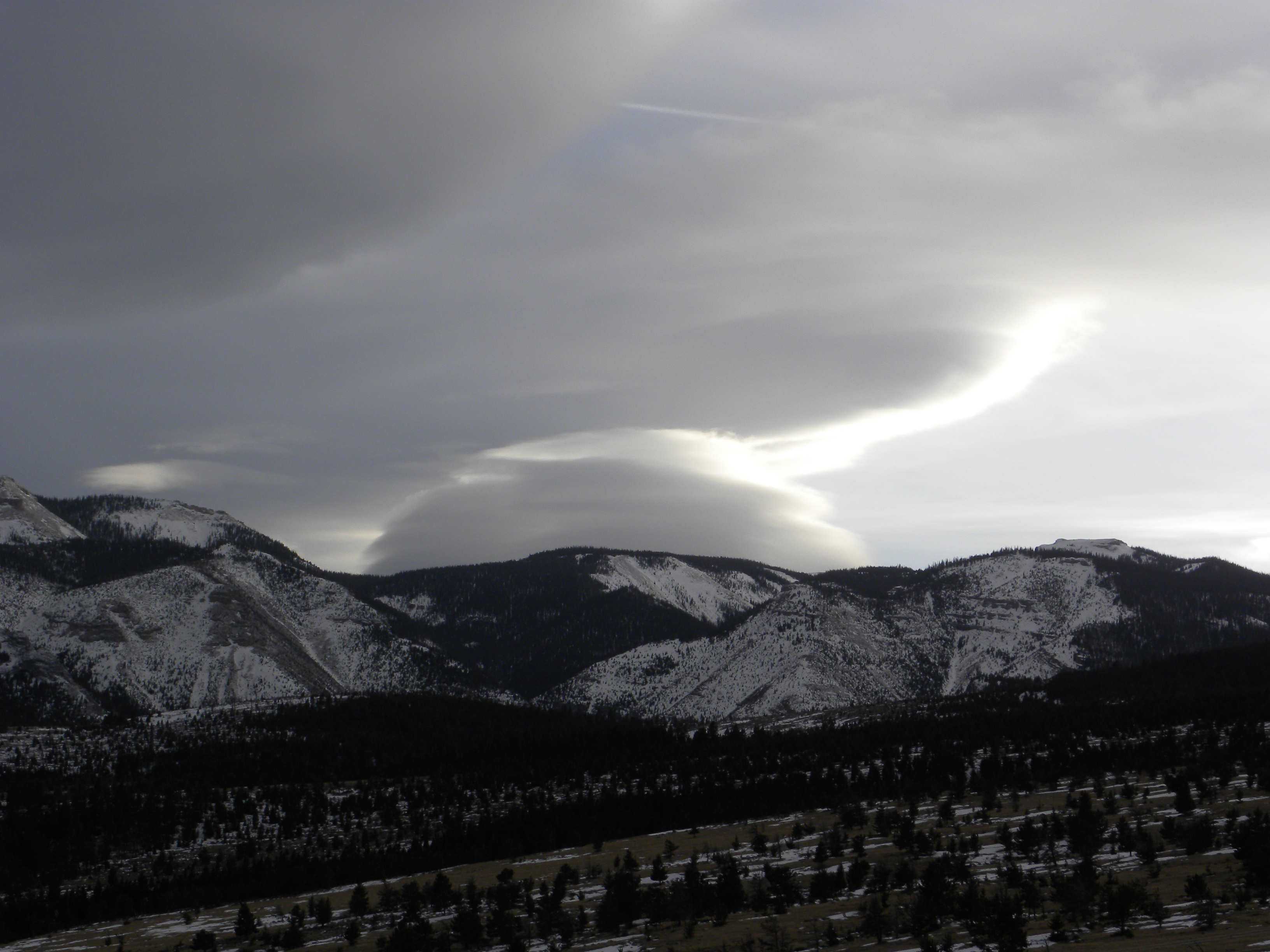
Weird clouds over Pat O'Hara
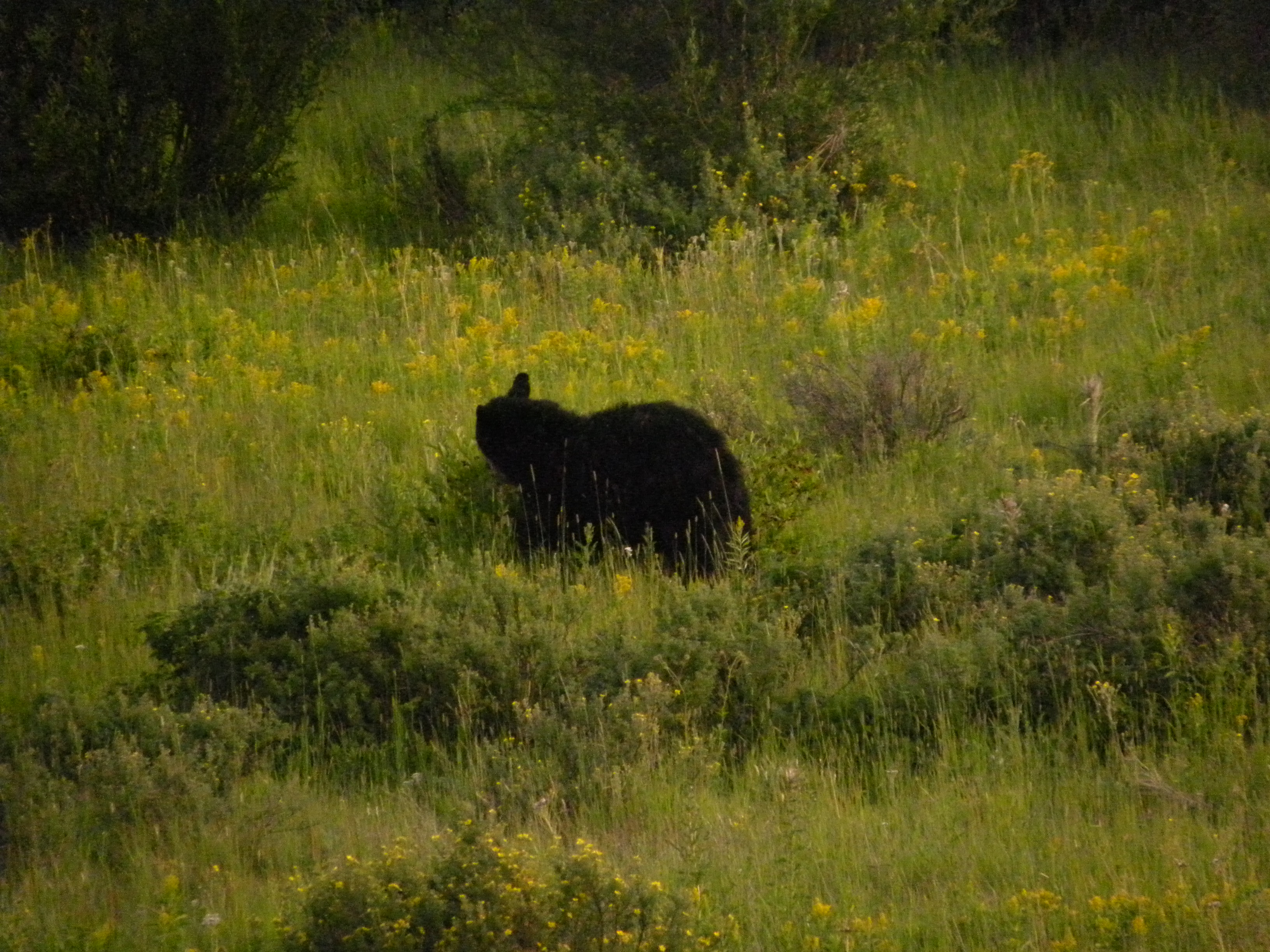
Black Bear

Like the lapping of the tides, the movement of mountains exudes a slow rhythm.  The mountains, valleys, and rivers are sentinels, the guardians of this Place.  Any perturbation in that cadence stands out like shouts or a piercing of the fabric.  Every moment matters and its memories are vivid colors.

This tree went through some stuff

I now understand how my 86 year old neighbor, who grew up here,  has such a great memory for details; details like the names of people he knew long ago, or the exact date when he took some dudes out to the Thoroughfare; or the snowstorm on Bald Ridge where he couldn’t see in front of him and had to follow the fence lines.
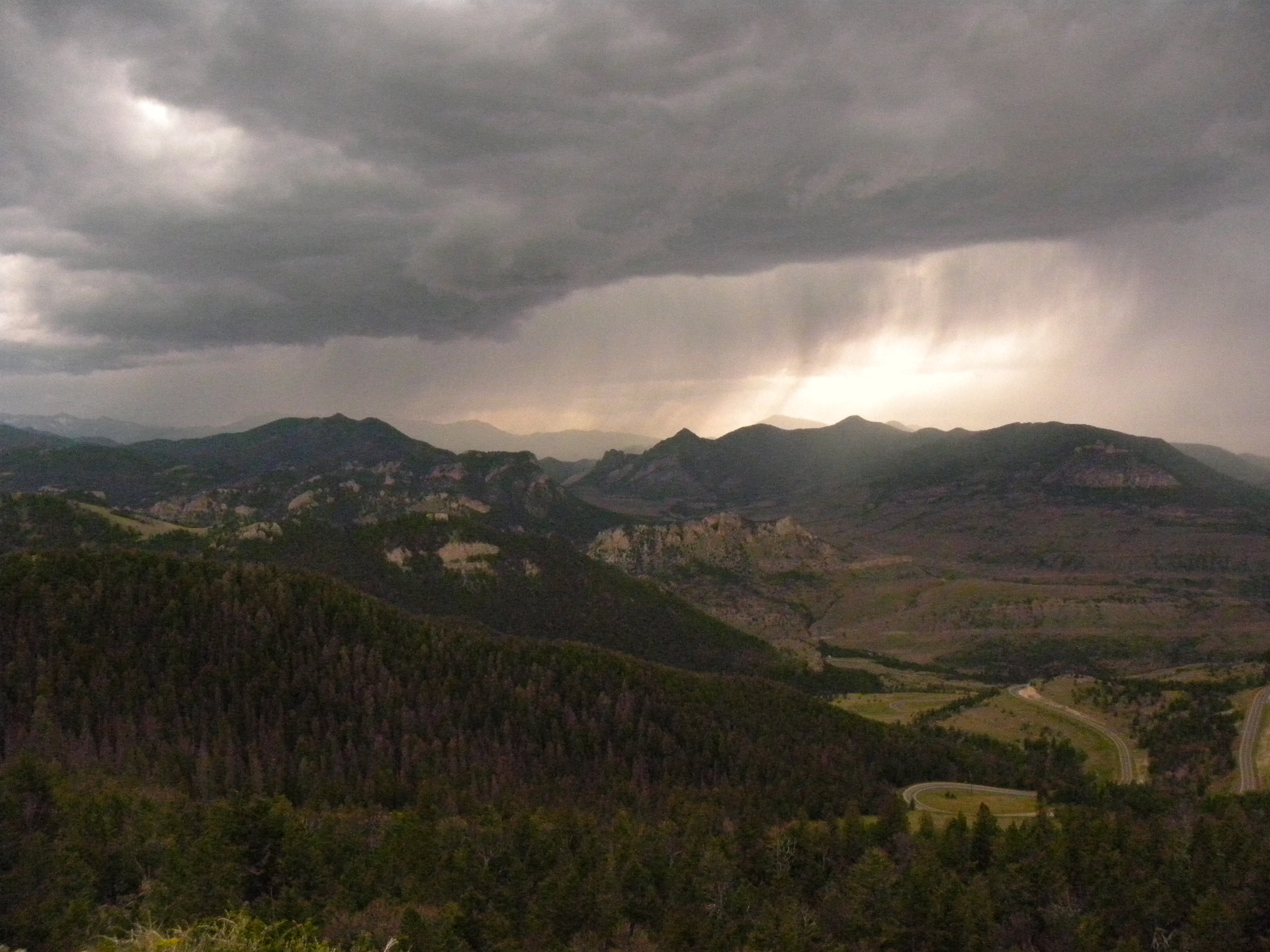
Incoming summer storm

My memories are more muted, faded.  So much was compressed and the colors were all human dramas against a setting of more human dramas.  There was no eternal, unchanging, larger than life backdrop to hold the dramas within.

While I struggle to find my place again, make new friends, fill or mourn those empty spaces and regain a kind of footing, the mountains remind me of that which is unchangeable.  And even though it’s all illusion–mountains and rivers, valleys and glaciers, do move and change in time–their mere presence connects us with our slowness.

I caught a story on radio last week about the Okinawans.  Their island contains some of the longest living people on earth and have been studied up and down for ‘why’.  The conclusion is not what you’d think.  It’s not diet, or exercise, nor special herbs, or even genes.  It’s their slowness.  No hurry, no worries.  Like the mountains, or the lapping of the tides, or the Bristle Cone pines, they live a long and slow life.

Full moon rising over Steamboats' saddle

“We were home”

In her book When the Land was Young, Sharman Russell works a sensitive exploration of North American archaeology today.  She visits and talks with archaeologists on site.  The book is written more as poetic prose than dry hard science.  Here is one of my favorite excerpts:

Vance Haynes is here today mapping a well he thinks was dug by the Clovis people. ‘They had the same gray matter as you or me’, he says.  ‘They were at a different stage in their technology, that’s all.’

The second question is like hitting a bruise, the pain of our postindustrial angst. Was it better?  In the last two centuries we have had small but diverse groups of hunters and gatherers to study.  Some had lots of leisure time; some didn’t.  Some starved  on occasion; some hardly ever.  Much depended on the physical environment.  Still this doesn’t touch the heart of the question, which is about spirit not matter.  Was it better emotionally?  Were we better?  Were we more alive, more human, more engaged?

Anthropologist Robin Fox says yes.  He mourns the ‘Paleoterrific’ not because it was better but because it is where we belong.  There we reached ‘the limits of our evolutionary adaptation’.  We were few in number, tribal, creative, dependent on nature, in awe, in touch, in our natural setting.  We were home.


Sedona, Arizona

I’m having a good time visiting friends in Sedona, Arizona.

Here’s some vital information you might need when visiting:

1.  64 percent of visitors come to Sedona seeking some kind of spiritual experience.  The National Forest brochure even talks about vortex sites saying “Sedona is believed to be a vortex meditation site”.  Local bookstores give away free maps to the vortex areas and claim the junipers twist in the direction of the energy.

NFS signage unique to Sedona

NFS signage unique to Sedona

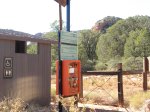
2.  You will need a Red Rock Parking Pass in order to park at trailheads on federal lands–our lands.  Arizona State Parks have other passes ranging from $6 – $125!! You have to display your parking pass in your car at the parking lots for the trails.  Luckily, living next to Yellowstone, I have an annual Park pass which allowed me to obtain a parking pass for free.  Also, in addition to your parking pass, some trailheads on national forest lands cost extra $$, the most popular being West Fork trailhead.  Some sites, such as the Palatki Cultural site, require reservations.

Parking pay stations are at some of the trailheads

Parking pay stations are at some of the trailheads

3.  October is the busiest month, my friends tell me.  Makes sense because the summers are really hot here.  In any case, go hiking early as it gets hot by mid-day; and watch the sun, as it goes down quickly and gets cold.  One day we drove out to the surrounding ponderosa pine forests.  There were no tourists, only a few hunters, but the landscape was not unique.  In the surrounds of Sedona, where the spectacular red rocks dominate, the trails I walked, usually no more than 5 miles in length, were full of hikers of all ages.  One of the most popular and most beautiful trails, Boynton Canyon, is in a wilderness area that abuts a lengthy golf course.  An older woman hiking the trail took this photo below and told me “Its an outrage.  I’m posting this on UTube.  John Muir would have a fit.”  Glad there’s some people still outraged by this, especially in ‘Wilderness areas”.

Private golf course abutts a Widerness area in Sedona

Private golf course abutts a Widerness area in Sedona

Sedona was missed.  It should have been a National Park, its that beautiful and special.  Unfortunately, most views contain houses, as one German visitor put it to me.  That being said, its still worth a visit at least once in your lifetime.  Most city people are completely entranced and satisfied with the level of ‘wild’.  My elderly hiker who took the above picture told me she had come with a large group of hikers in a tour.  None of them noticed this level of defacement.  All were enthralled with the beauty, as they should be.

There are plenty of great photographers with photos of the Sedona rocks on the web.  The light plays on the rocks, always changing the way they look at different hours of the day.

Light changes the red rock

Light changes the red rock

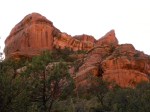
Red buttes of Sedona

Red buttes of Sedona

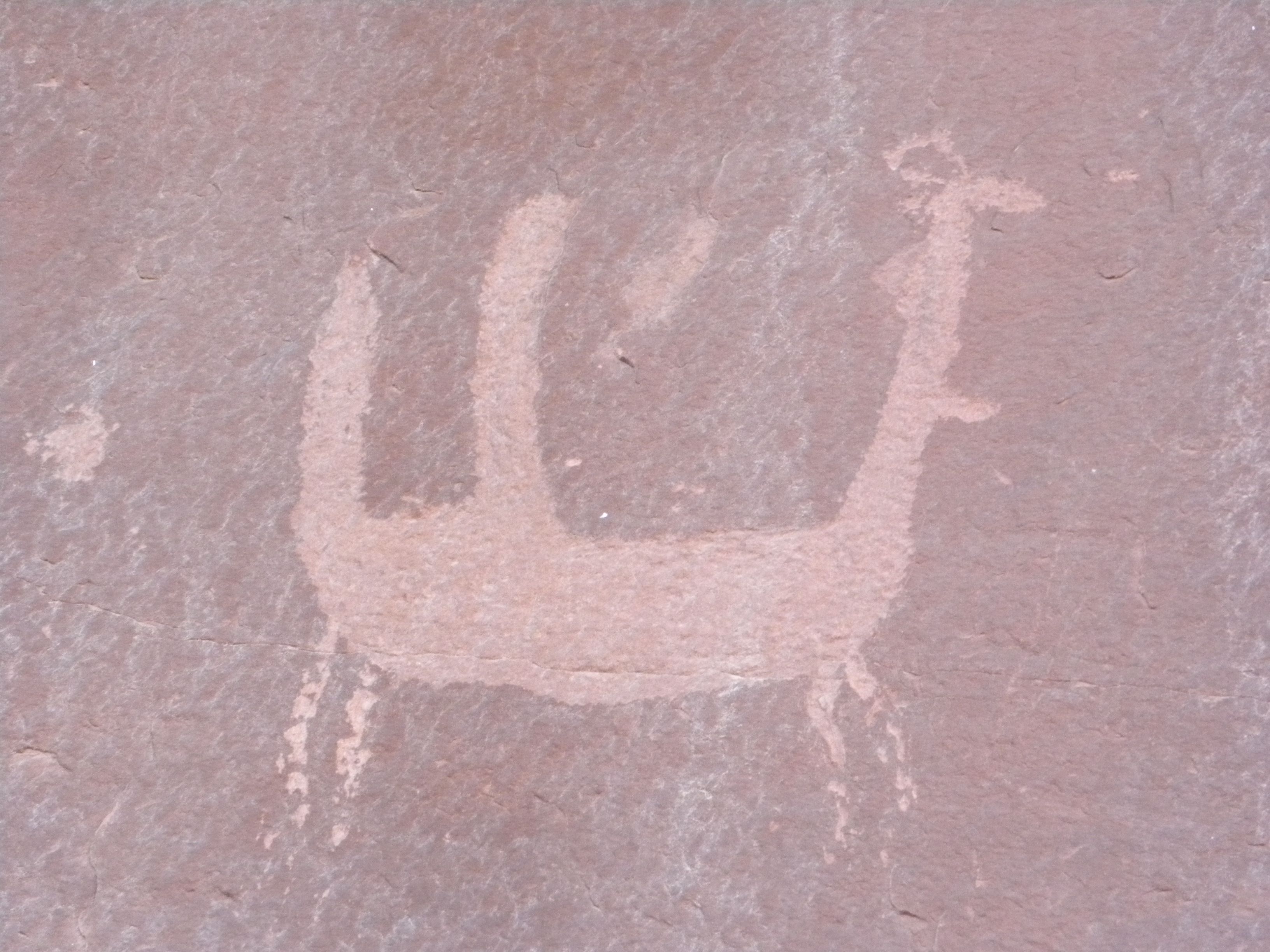
The oldest inhabitants of Sedona lived here

The oldest inhabitants of Sedona lived here

Sedona is unquestionably beautiful, relaxing, and special.  Its just not wild enough for me.

Our Social Nature

Black Elk, after traveling all over including Europe with Buffalo Bill Cody’s show, made this comment in his book Black Elk Speaks. “After a while I got used to being there, but I was like a man who had never had a vision.  I felt dead and my people seemed lost, and I thought I might never find them again.”

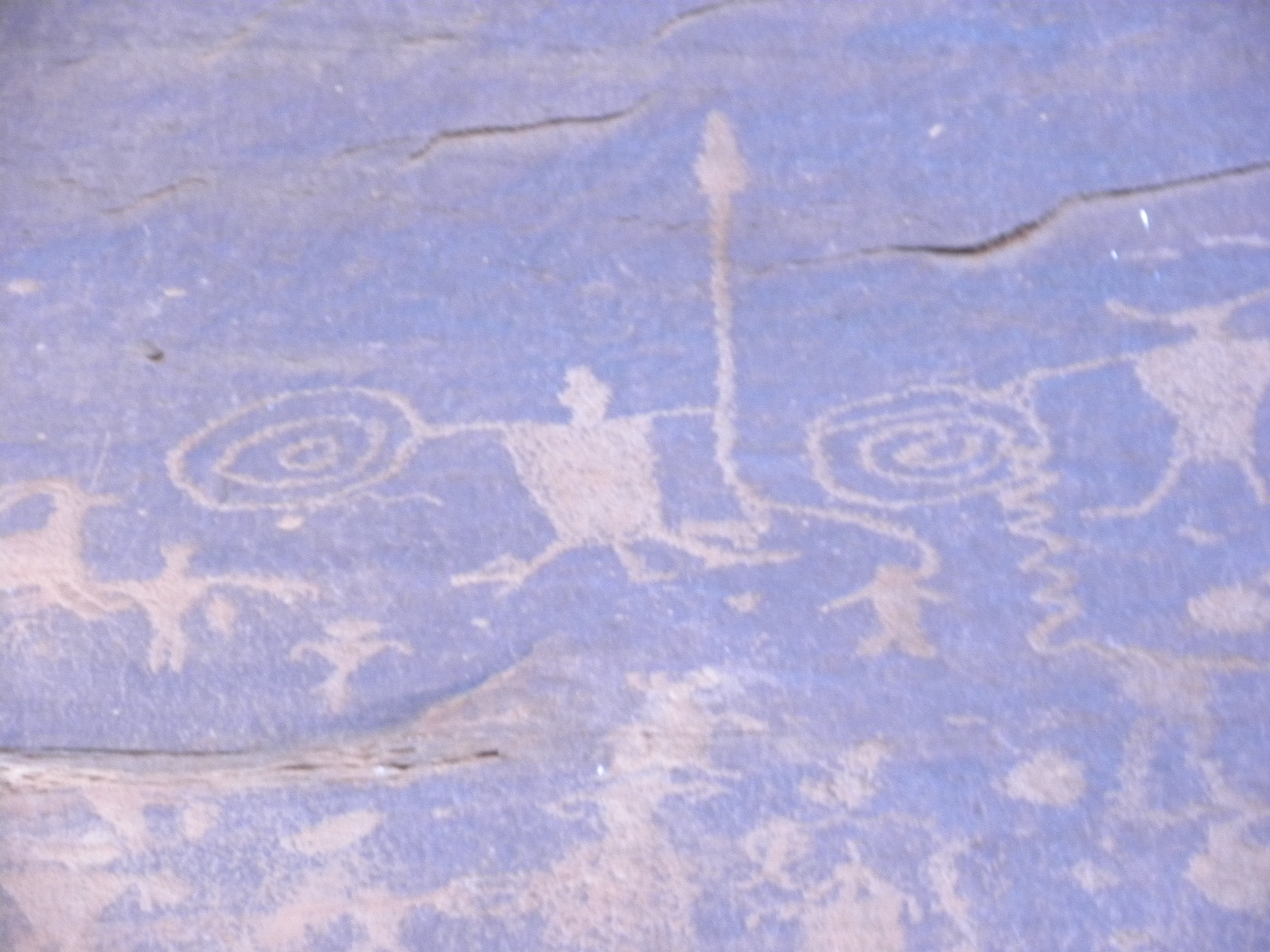
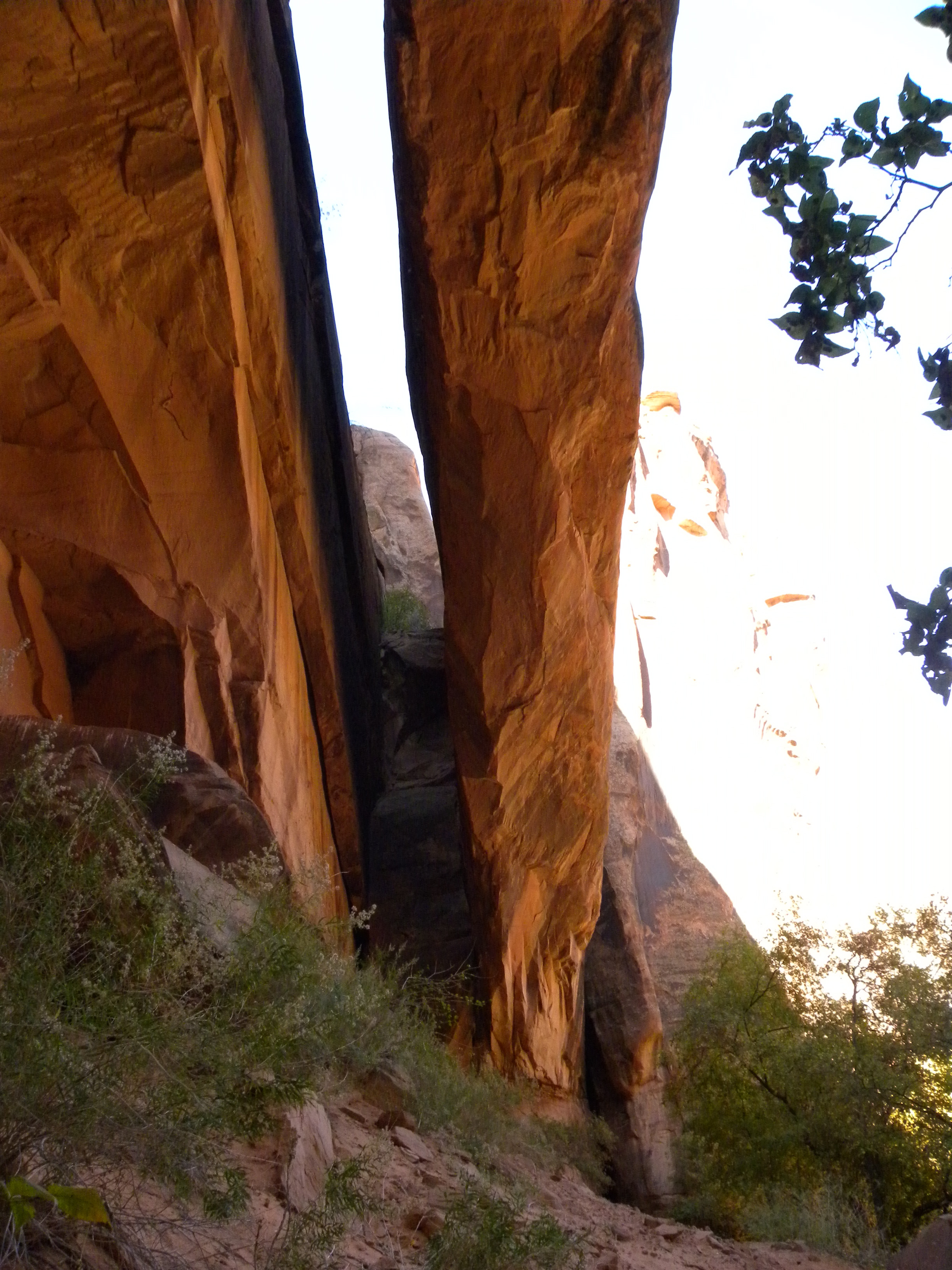
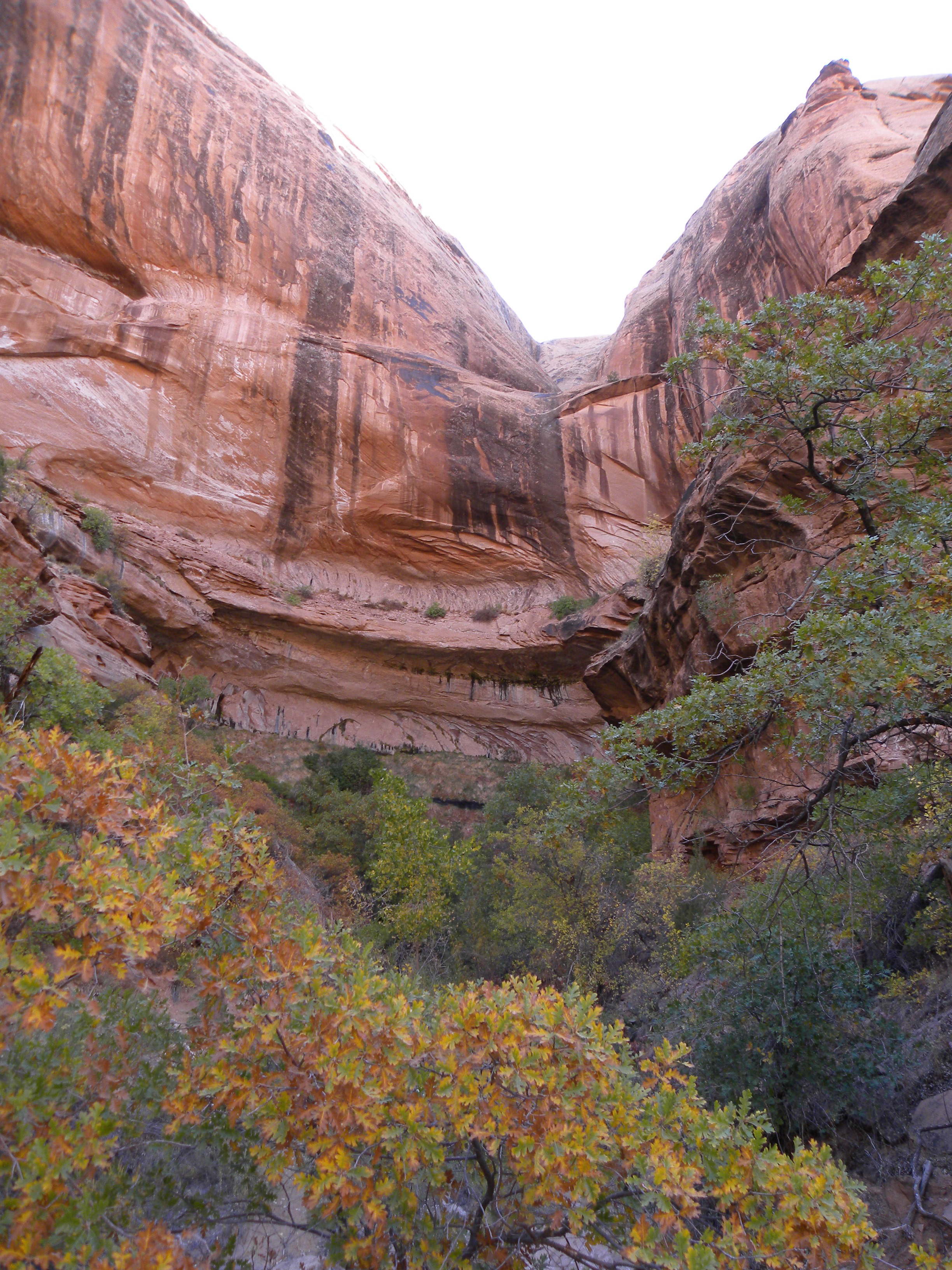
I have been traveling.  Seeing fantastic landscapes that appear to be out of your dreams, sleeping under the stars every night, exploring ancient pictures that tell of hunts, buffalo, bighorn sheep, and phantasmagorical creatures.

Look for the tiny people down below

Look for the tiny people down below

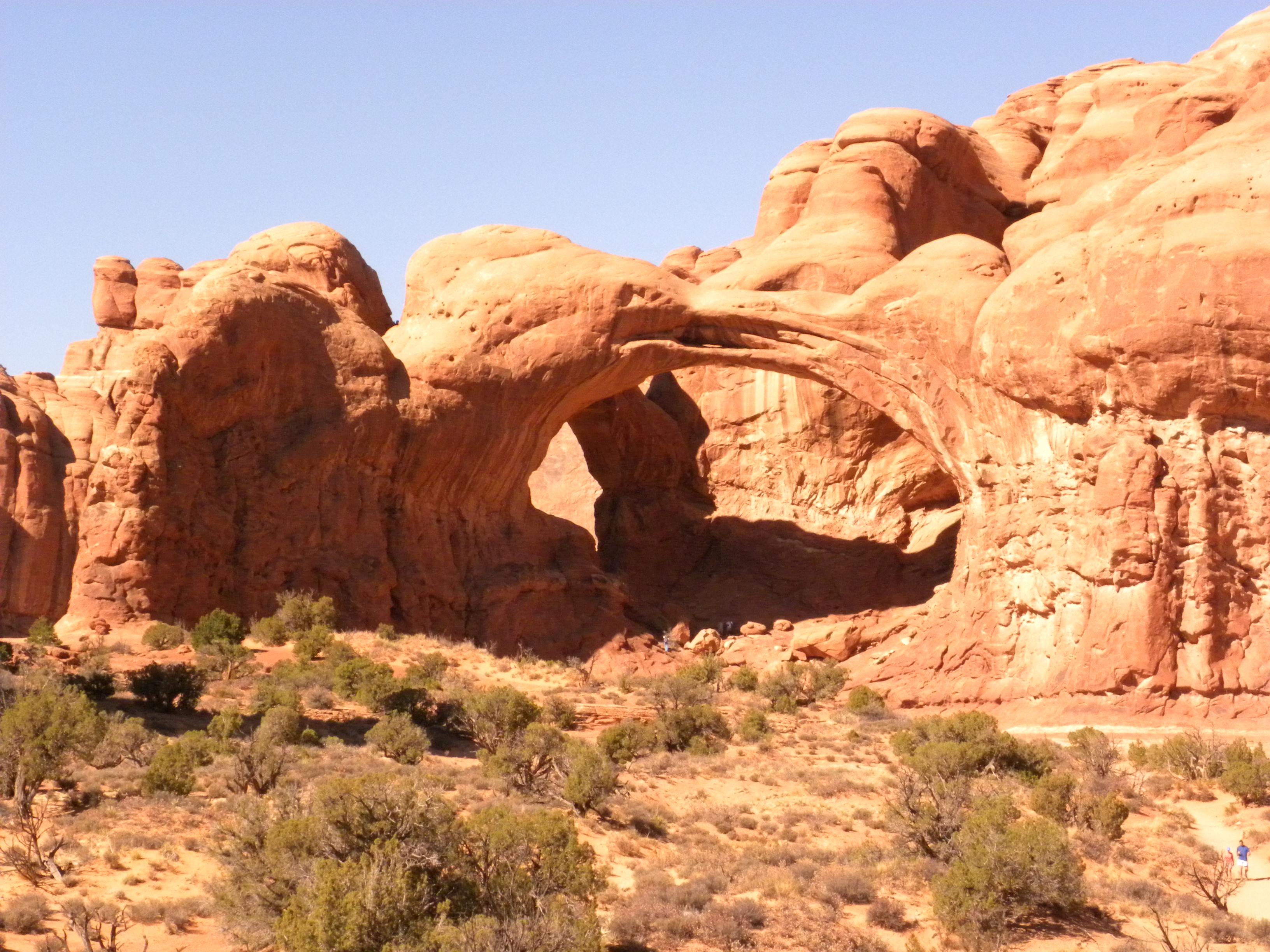
Landscapes of your dreams

Landscapes of your dreams

Arches National Park is weird and unreal, like a moonscape, but I did see a coyote wandering around.  Canyonlands is one of the most beautiful places I’ve ever been.

Negro Bill Wilderness Study Area

Negro Bill Wilderness Study Area

One view of Canyonlands

One view of Canyonlands

An old man at a viewpoint in Island in the Sky remarked to me “This is one of the two best Parks in the U.S.”

“What’s the other one?”  I asked.

“Yellowstone.”

I’ve met people from Bozeman, Bulgaria, the Netherlands, and New Mexico.  Many are on their second or third trip.  There’s just too much here to see, especially in Canyonlands which could take a lifetime of exploring, let alone driving.

Reminds me of Uluru

Reminds me of Uluru

What has stood out to me starkly?  The enormous and overwhelming landscapes, and the town of Moab, juxtapositioned together like a tale of two cities.Oak and oak

Moab is a mecca for recreation.  Hikers, bikers, climbers, hunters, boaters, off-roaders–whatever pleasurizing you can think of in the outdoors.  Just go into town and experience their beautiful expensive visitors’ center, with every possible pamphlet, extremely helpful and friendly staff to guide you through any experience you want of the outdoors; this not only was a great boon for my trip experience, but gave me the distinct feeling that all of nature was here to give me a great vacation.  Oh, they did say “Be safe when you 4-wheel to these petroglyphs”, “Bring lots of water”, etc.  But the orientation, the philosophy all shared by our entire culture seemed to be symbolized here, in this tiny booming town.  “There is only this physical world, and its worth exploiting the hell out of it till we die.”

And that is why I thought of Black Elk, shaman and prophet.  He stepped out of his world, a world where every aspect of nature is accepted as a form of spirit energy, every object, every individual, human and non-.  Where the lightning is a God, the storm clouds are a God,  the rain is a God, the river is a God.  And then he spent time traveling the world with Buffalo Bill, where now all that he had held sacred was viewed as entertainment.  And after a time of doing that, he grew accustomed, but he felt dead inside.Petroglyphs

Fun is great.  And so is the sensitivity that only comes with a slowness; entering into the field of Nature like the summers of childhood.  Aldo Leopold, writing of his time in Arches National Park says “there was time enough for once to do nothing, or next to nothing.”  In that, we might, as a society, learn something new.

Double rainbow over my campsite on the Colorado River

Double rainbow over the Colorado River

My Toolbox

What do you need to live in the world of nature?  I ask myself this question in many forms all the time.  Today these are my answers to myself:Water

  1. Awareness.  To be aware is to be alive.  Yesterday I was hiking with a friend.  I looked ahead, up the hill, for a moment, instead of looking at the trail.  My friend cried out.  I had stepped over a bull snake on the trail.  Luckily it was a bull snake and not a rattlesnake.   But other times I need to stop watching the trail so much and notice around me.  Sight is only one form.  Smells, sounds, bird warnings, scat, tracks–all these are things to be aware of.
  2. Curiosity.  I called a friend the other day and on her answering machine was a quote:  “The cure for boredom is curiosity.  There is no cure for curiosity.”  Curiosity is a choice, an approach to the world.  It is the posture of a child.  I can be curious instead of afraid, or bored.
  3. Wandering without purpose.  This is actually a form of spiritual practice.  Take time to wander.  Being on a trail is good when you want to go from here to there.  But trails reinforce the illusion of life as a straight line.  Wandering with no purpose, observing small details, allows the mind and body to be simply present, without agenda.  Wandering is a form of walking meditation.  I like to call it ‘tooling around’ vs. ‘hiking’.  My friend says Thoreau called it ‘woods loafing’.
  4. The wonder of the occasional ‘ah ha’ moment.  Not exactly IN the toolbox, but in slowing down and wandering, this does occur.  This has happened to me several times.  I could have read the same instructions in a book or on a map a thousand times, but the revelatory nature of the ‘ah ha’ comes from inside, not outside.  It has the power and force of Mother Nature herself as our teacher.  I was looking for a sheep trap made out of large boulders.  I had a crude map and was walking the cliffline.  In fact, I walked right into the ancient site, but since it was natural and not man-made, I did not connect it with my map.  As I walked further down the cliff edge, I noticed the game trail passed directly by the boulder entrapment.  ‘Ah ha’, and the connection was made, even though I had the map the entire time.  The few times this happens to me, its so special.
  5. Nature gives gifts.  Be open to receiving them and realize they are gifts, not a right or a claim.  I was reading a Field and Stream article about finding sheds, or most people call it ‘horn hunting’, that is, looking for antlers of deer and elk.  They gave good tips as to where and when to look to receive optimal results.  Yet they ended with a wise and profound statement:  Remember, finding a shed is a gift, not an entitlement. I have found interesting things at just the right moment.  Why is she called ‘Mother Nature’?  Because the earth not only feeds and clothes us, but also can be a nurturing and soothing force.
  6. Listen to the dreamworld. Dreams take many forms, and we all know the ones that seem to come from deep recesses full of wisdom.  They are telling us something—whether they be prescient or helping us access inner power—we need to listen to them.  When you feel the power of a dream, or an intuition, or your imagination, sometimes its better to let it simmer inside, let it reveal itself fully to you, instead of releasing its power by telling everyone about it.  Oh, how I need to remember to do that–be a bit more quiet!
  7. Finally, I remind myself on occasion (when I remember to), the nature of true living is Felt experience without resistance.Felt experience without resistance

The Abstract Wild

I’ve just finished reading The Abstract Wild by Jack Turner. The book is a series of essays, a ‘rant’ for wild Turner says.  Wild, as Turner defines it, is not wilderness, not a managed environment with collared animals, hunting quotas, ‘fun hogs’, 7 1/2 minute maps, gps, cell phone availability, not to mention logging, mining, open grazing or other forms of exploitation.

For Turner, and I agree, wilderness or the wild contains our place in it, not as tourists or observers, and is a sacred experience, defining our place in the world and the cosmos.

A few wonderful quotes:

Maps and guides destroy the wildness of a place just as surely as photography and mass tourism destroy the aura of art and nature.  Indeed, the three together–knowledge (speaking generally), photography, and mass tourism–are the unholy trinity that destroys the mysteries of both art and nature.

The majority of Americans no longer know this experience of the wild.  We are surrounded by national parks, wilderness areas, wildlife preserves, sanctuaries, and refuges.  We love to visit them.  We also vist foreign parks and wilderness; we visit wild exotic cultures.  We are deluged with commerical images of wildness: coffee-table books, calendars, postcards, t-shirts, and place mats….

From this we conclude that modern man’s knowledge and experience of wild nature is extensive.  But it is not.  Rather, what we have is extensive experience of a severely diminished wilderness animal or place–a caricature of its former self.  Or we have extensive indirect experience of wild nature mediated via photographic images and the written word.  But this is not experience of the wild, not gross contact.

Turner’s best essay, in my opinion, is the first one, which relays an experience he had in the 60’s in Canyonlands National Park before it was a park.  After surviving a small plane crash, he wandered around the Canyonlands for days.  One evening he came upon large ancient pictographs of life-size figures.  Their presence, spookiness and power absorbed him.  It formed a sacred and lasting impression.

Years later, he revisited the site.  But now the area was part of the Park, there was a family  picnicking nearby, and signage explained what little was known about the pictographs.  The entire area is now mapped and known.

Humans become foreigners to the wild, foreigners to an experience that once grounded their most sacred beliefs and values. In short, wilderness as relic leads to tourism, and tourism in the wilderness becomes the primary mode of experiencing a diminished wild.

Turner’s book identifies the problem eloquently and articulately.  He doesn’t present solutions.  Are there solutions?  I’ve been pondering this.  It doesn’t seem to take much more than a generation for cultural amnesia to begin settling in.  The loss of wild areas, or the loss of social freedoms, taken away bit by bit, and soon the present generation has no memory of what once was.

Just 200 years ago, not even a blink of the eye in human history, Lewis and Clark came through the West and witnessed the land filled with bison, grizzlies, elk, deer, prairie dogs, clean waters, and people living of and on the land in ways that had preserved it for hundreds if not thousands of years.  The way of life of the native americans was gone a few generations later, as well as most of the abundant wildlife.

I walk these hills and know that I am a pauper.  I have no cultural references for living in ‘wilderness’ as my home.  I have survival skills that might keep me alive for maybe a week or more, but not a lifetime.  Although many people know more wilderness skills then I do, and many know much more scientific knowledge than I do, there is no living culture here anymore that can teach us how to live in the wild, sing the songs, harvest and prepare the plants, give thanks before we hunt, or help clue us in on how to contact the sacred that imbues this place.  As a culture, we are bereft.  As individuals, we are reduced to finding our own way without cultural help.

Turner’s book is a must read for all who love nature and wilderness.  It turns conservationism on its head and offers a new definition and goal. But the vision of ’21st century wild’ must emerge from all of us.

Enjoying the sacred with an ancient poem

I settled at Cold Mountain long ago,
Already it seems like years and years.My 'Cold Mountain'
Freely drifting, I prowl the woods and streams
And linger watching things themselves
Men don’t get this far into the mountains,
White clouds gather and billow.
Thin grass does for a mattress,
The blue sky makes a good quilt.
Happy with a stone underhead
Let heaven and earth go about their changes.

–Early Tang Poet Han ShanDSCN0517

In Praise of Magical Thinking

The other day I was watching a TV program on the housing meltdown.  The man they interviewed had been a NY times expert on the financial market and had warned the public not to get caught up in the mortgage scams.  Then he turned around, bought a high priced home with a huge mortgage, thinking that his wife’s salary would pay for living expenses while his salary would pay for the mortgage.  Trouble was, his wife wasn’t even working.  They assumed she’d get a job and all would be well, but that never happened.   In fact, in the interview, he gave the impression his wife never had the desire nor intention to find a job.

The interviewer asked “How could you, of all people, who warned us this was happening, do this?”

“We just got caught up in magical thinking”, he said.

This gave me pause to think about that phase magical thinking, as if there’s something wrong with it, as opposed to rational thinking.  Personally, I would not call what the NY times expert got himself into magical thinking.  I might call it Not Thinking.

I think we’re all predisposed to thinking and feeling in magical ways.  I might suggest we’re even wired for that.  And to go further, we need that.  Thinking non-sequentially, allowing the mind to float through time, to daydream, to make odd connections and think even bizarrely, comes from a deep place, a wellspring, the source of creativity.

I got to pondering that, possibly, in today’s modern world, there is no room for this expression, so it comes out in odd and edgy ways, as it did with the finance expert.  Because we’re so overloaded with rationality in our daily lives, our natural expression of magic and synchronicity is relegated to the fringes of our existence.

Living outside in a natural setting, magical thinking is well placed, useful, and even a survival skill.  Yet this idea of magical thinking is only the tip of the iceberg, an expression of a deeper and unexplored realm that our modern lives can not afford to allow, for if we did, society might just slow down too much and who knows what could unravel.

Deep in our past and collective unconscious there is the living remembrance of the natural world, there are the animals who live with us, and there is the constant vibrating pulse of Life, and there is death that is a daily part of this thing we call Life.  In our wisdom we recognize the circular, even spherical nature, of existence, intuitively.  Long ago, every day we took time to observe a sunset for it foretold the nights’ weather.  Everyday we noticed animal sign, as it contained our next meal or spelled danger.  We watched animals and they gave us information about other animals, or weather, or even unexplainable events such as earthquakes.

In our past, animals were emblems of the spirit world; animals were observed to be deep contemplatives.  The bobcat sitting still for hours is one expression. But even the busy bees who seem to never relax:  go into a hive and their buzzing has a deeply calming, meditative, effect.  Economical in their physical needs, alert when needed, and falling into contemplation the rest of their waking time, animals drew us into this ‘magical’ realm of spirit.  Our ancestors knew this and that is why animals were a clear and present connection to spirit.  That is why they said their thanks to the animal before they killed them.  That is why their stories of creation and myth give great powers to animals.  All around them (and us today although we have lost contact with this in our ‘modern’ world) was the magical means for a deep living connection with Presence and Spirit.IMG0102_1

Living in a world where wild animals are confined to parks, we are not in contact with their daily expressions in our lives.  Even in rural areas where there are more human/animal interactions, our lives are not intertwined with them, nor are we dependent on them for our survival or information about the world around us.  We have no need to understand the daily movements of the deer in our yards or pastures, where they bed down, what they prefer to eat and when. We no longer dress in their skins and ‘become’ them, dance as them, sing their songs, to the point that we know them as channels, a magical entrance to a different way of seeing and knowing.

Sometimes it is just good to be overwhelmed.  Lewis and Clark talked about seeing 10,000 bison with packs of ‘Buffalo Wolves’ (as they were called because they followed the herds), elk, and deer, all in one glance upon the prairie.  Sometimes that sense of overwhelm puts us in our natural place.  Sometimes we need to be deluged by natural forces for our minds to go quiet so something else can come into play in our lives.  That is what I call magical thinking.

Conduits to another World; the pure herd.

Conduits to another World; the pure herd.

Water, the universal solvent

Water, the universal solvent

A busy spring rolls in

It seems to be busy around here.  There’s a nesting pair of bluebirds in a box right outside my front door.  I was sure they were going to leave last week because of all the noise around here.  I needed to work on my driveway because, surprise, this winter I couldn’t get in.  I was able to plough it initially, but everytime there was a melt, the ruts just got deeper and deeper.  Pretty soon I was parking down the road at my neighbors for the last few months. There’s been some pretty big equipment happening all week, taking giant scopes of limestone and rock from my personal ‘quarry’–my hill–and laying it all along the road.

But this morning a head popped out and there was madame Bluebird.  She must be sitting on her eggs now, because she hasn’t moved.  I’ll be leaving for a few weeks on Monday for California and then the Greater Yellowstone Coalition Annual Meeting in Jackson, so she’ll have some nice peace and quiet.

When I snagged the photo, I didn't see the butterfly till I printed it.

When I snagged the photo, I didn't see the butterfly till I printed it.

Several hawks came through while I was watering today.  A pair of red tails soared by.  I know there’s a nesting pair down the road by the bridge so they might be the ones.  An unidentified buteo–two toned black underneath which I think was a Merlin–visited.  And a kestrel snagged a ground squirrel (or something the equivalent in its mouth) while I watched from the front yard.

Ahh, motherhood

Ahh, motherhood

So cute!

So cute!

A moose popped in this afternoon.  I was working in the shed sanding a table when Koda started barking.  It was the kind of bark you just know its not a person.  I keep Koda on a shock collar usually.  That’s in case a wolf or bear comes along.  But around the house he’s usually off-shock.  Luckily, he responded nicely, came when called, laid down and stopped barking.  The moose seemed pretty unperturbed.  A barking dog is like an annoyance when she’s used to dealing with wolves.  She was alone and I know there’s a pregnant cow down the road in the swampy area.  But this lady was lean. She ambled up from the trees, paused to consider the barbed wire fence, jumped it awkwardly, then slowly made her way up the hillside through the meadow.

Moose eating in marsh nearby

Moose eating in marsh nearby

Yesterday I saw some incredible rams just up the road.  I was hiking up a steep ridge when two white ‘rocks’ appeared on the ridge below.  W__ spotted them.  They were the rumps of two rams with 3/4 curl horns.  I rarely expect to see sheep up here in the summer.  A lot of them head higher up, towards Yellowstone and the Absarokas.  Maybe these guys were just hanging around because of all the snow there still.

The flies are out, the ticks are here, the mosquitos are biting, and the wildflowers are changing everyday.  Spring is here and it is only for a moment. Soon summer will be in full bloom, the rivers will recede enough to be crossable, and the elk will all disappear for higher grounds.

I’ll be back in two weeks and everything will be different.  I’ll certainly be missing all the action.  But I’ll be posting when I can from California and I intend to fully report on the GYC meeting in Jackson.

Some spring shots:

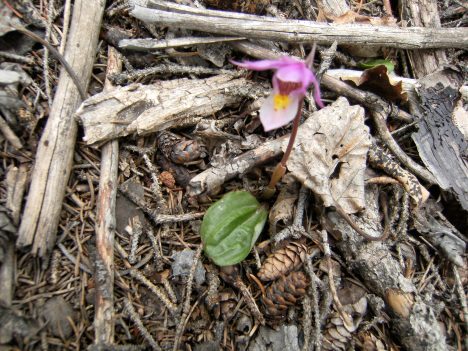
Calypso bulbosa

Calypso bulbosa

Swainson Hawk hunting in irrigated cattle field down the road

Swainson Hawk hunting in irrigated cattle field down the road

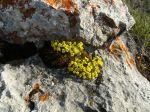
Draba oligosperma...Whitlowgrass

Draba oligosperma...Whitlowgrass

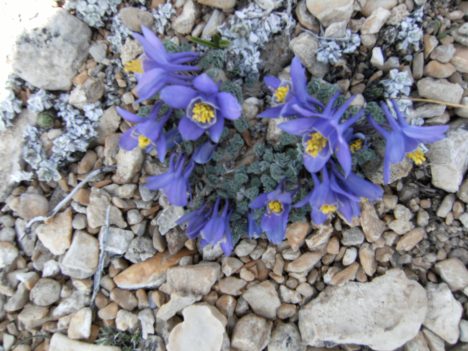
Alpine Forget-me-not, Eritrichum nanum

Alpine Forget-me-not, Eritrichum nanum

A Glorious spring day.  Koda and I hike up Elk Creek Meadows.

A Glorious spring day. Koda and I hike up Elk Creek Meadows.

Call of the Wilds

I live in a wild place.  In winter there are only a handful of residents.  The wolves howl.  The elk find their way through the snows.  The grizzlies sleep.  In spring the mountains wake and thaw.  On weekends this valley is a favorite spot for locals from Billings and Cody.  ATV’s and RV’s roll in and find their favorite campsites.  Yet the mountains here are vast, the wilderness seems endless.  Its rare to see another person on any given trail.

This country is big enough for all who love it and steward it.

This country is big enough for all who love it and steward it.

This has been my first winter here.  I’d been here almost every month of the year, but only for weeks or a few months at a time.  Living here, knowing that these mountains are what I now call home, I find my rhythms slowly changing.  Life seems to be moving fast when I return to an area I’d just been last week and the snows have melted.  Or how did I miss the day when the rivers suddenly turned muddy and swollen?  Just two weeks ago I drove up that draw, but now its flooded.  Changes seems to be happening at breakneck speed.  What looks static to a visitor is a constantly changing kaleidoscope, an ebb and flow of interactions too great and wonderful to take in all at once.

Swamp Lake as the snows are melting

Swamp Lake as the snows are melting

Aspens starting to bud out.

Aspens starting to bud out.

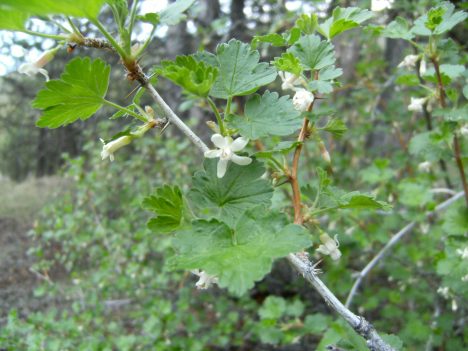
Ribes blooming just the other day

Ribes blooming just the other day

Alpine columbine just blooming today

Alpine columbine just blooming today

I walk the woods and look for wildlife runs and markings, new smells or droppings, nests or homes, what was eaten today and what was killed.  At first I walked or hiked and noticed a few things here or there.  But now I find it difficult to be aware on all the levels I want to be.  There is the forest floor and its sign–scat, droppings, scratchings.  The treetops are where birds and small mammals also live so don’t forget to check up there as well.  The relics and evidence of the past such as buffalo bones or Native American sign.  If you only look for animal sign such as tracks or scat, you miss the wildlife presently around you.

Sandhill Cranes

Sandhill Cranes

Better watch for bears, and be careful with your dog as there are wolves around.  The forest and the meadows are alive.

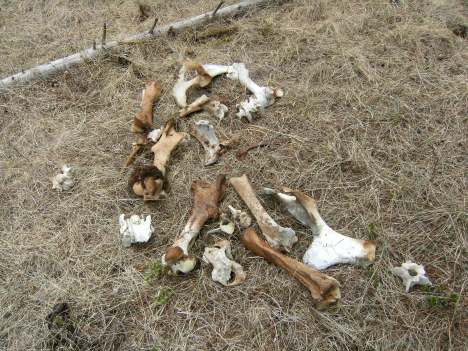
Could these be bison (or cow) found in buried in a depression like a wallow.

Could these be bison (or cow) found in buried in a depression like a wallow.

Simple beauty

Simple beauty

A new awareness has also begun to creep in.  It is an understanding of the nature of life and death, of a circle of existence.  This is not an intellectual notion.  Everyday I find bones and skulls, or fresh kills large and small.  Everybody has to eat and you either eat plants or meat or both.  Death is not wrapped up in a nice package in the frozen section, or shoved off to the edges of society.  It is here and everywhere.

My neighbor H__ who has a horse farm, told me a story about the first horse he had to put down.  He was afraid to do it himself and asked our 85-year-old neighbor, a native to the valley, if he would do the deed for him.  JB replied “Its your horse.  You have to do it.”

“He was right”, H__ told me.  This winter he put two horses down in the upper pasture.  The wolves and coyotes were on it within days.

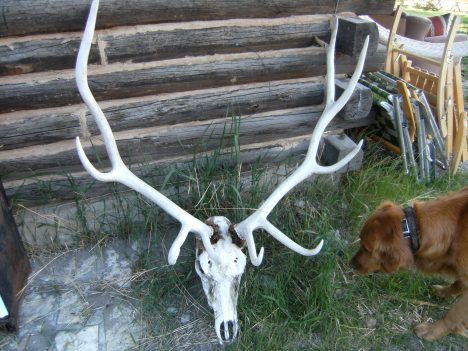
Just as in life, there is beauty and ugliness in death.  I’ve watched the coyote I found this winter in his process of decay.  First the animals ate their fill, but a lot remained and the ground was still frozen and cold.  Now the beetles are finishing him off.  He is food for others, and there is a certain rightness and sadness in that.  There is also a fascination and a repulsion in watching the process.  Yet I find a skull of a winter kill bull elk with both its antlers, the skull already cleaned off and perfectly white, and it looks beautiful to me.

Found winter wolf kill.  Beautiful in death

Found winter wolf kill. Beautiful in death

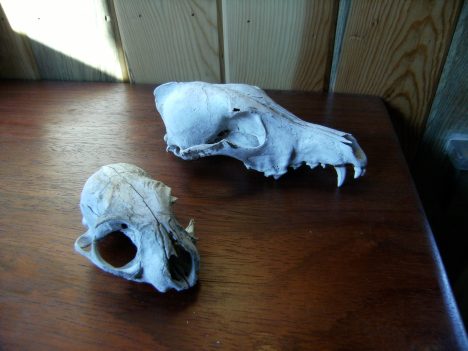
Coyote skull and bobcat skull

Coyote skull and bobcat skull

Old trees that have died are regal in their appearance, and house insects and the birds that feed upon them.  The ground squirrels in the yard are amusing to watch, yet I admire the Swainson’s hawk that deftly swoops and catches them.

Burnt trees.  Beautiful in death

Burnt trees. Beautiful in death

A deeper ‘knowing’ that I too am part of this whole process seeps into my core.  It may seem ugly or cruel to some, but it is only economical and the way things must be.  More than stark, there is a dreamlike quality to it all.  The animals are not bothered.  They have been born into this acceptance.

I walk with Koda.  He is always alert, on the ready, yet happy and relaxed.  His tension comes from awareness, instinct to check for danger, or to check for the fun of a chase with a squirrel.  I am learning here, in this complete ecosystem, with top predators just like me here, that I must walk and be aware, relaxed, and alert.  That life and death walk side-by-side always, only here they are in evidence.  That there are more levels to this dreamtime than I am yet aware, and that the natural world supplies a plethora of synchronicity and sign, if only one can take the time to deepen, relax, and learn to notice.