The following events took place in October 2014, just after Wyoming’s wolf hunt was cancelled due to wolves being re-listed as Endangered.
October in Wyoming has the best weather. It can be raining, snowing, sunshine, or all of the above at once. Blustery one day, then in the 60s the next, Indian Summer seems to come and go until suddenly, one day, it’s winter.
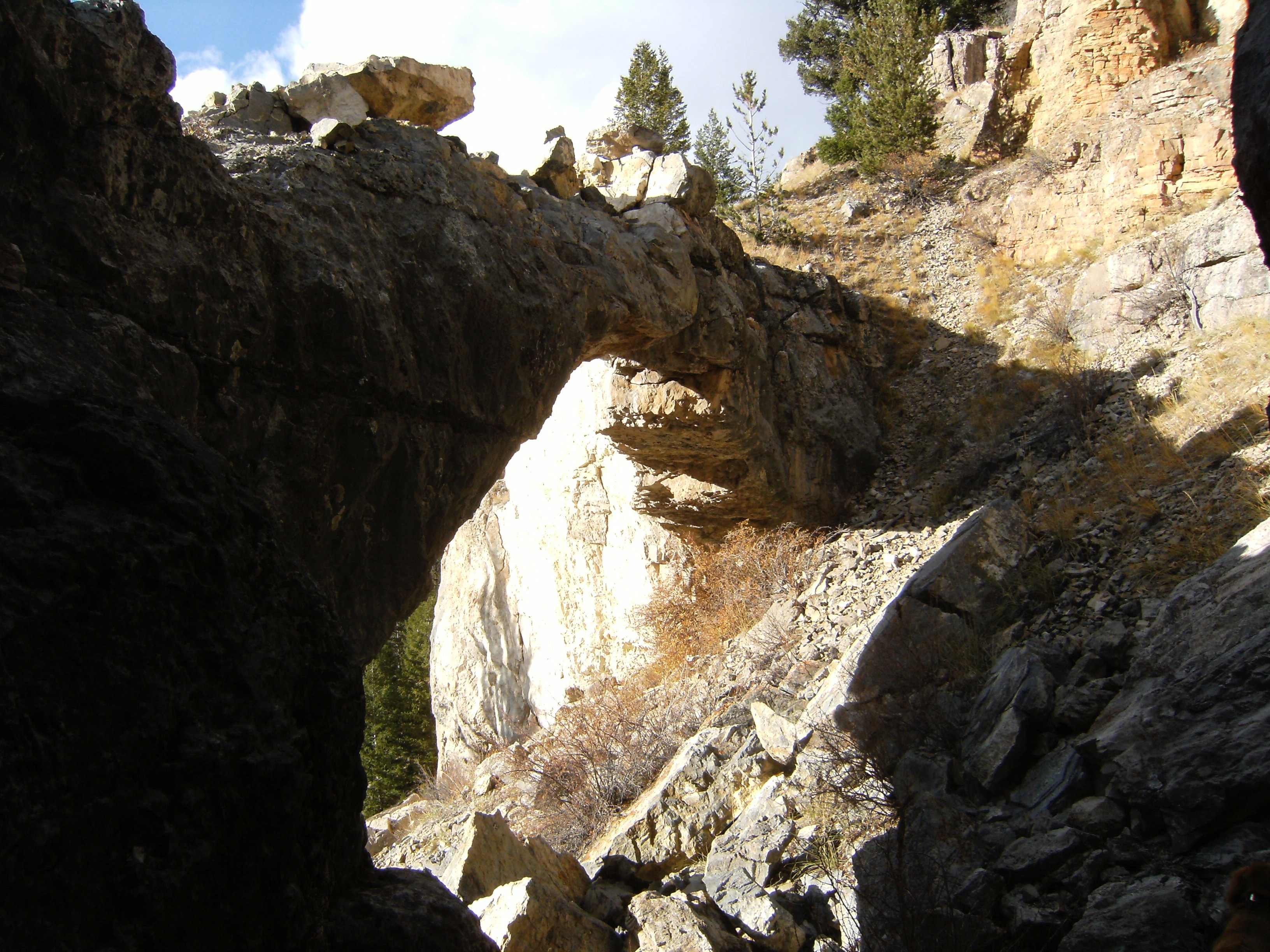
I’m packing up for a work trip to California for several months, but before I leave I want to ‘say goodbye’ to my beloved valley and the mountains that envelop it. Today there are snow flurries off and on, low clouds obscuring the horizon. I’ve got a place in mind to hike to. It’s one of my special, or sacred, spots—an Indian Sheep Eater bighorn sheep trap. I especially like this place because not only is it high up above a cliff edge with a magnificent view of the Absarokas, but also the ‘trap’ is formed from two large boulders running into a ‘V’ shape. The acme of this formation is littered with ancient logs, hundreds of years old, preventing the sheep from squeezing out that end. Native peoples used a system of logs fanning out from the boulders to guide the sheep into the trap. Their dogs helped herd the animals, and possibly people were hidden along the trap line to scare the sheep in the proper direction. Medicine men assisted with the hunt, and I’ve read that male bighorn sheep horns and skulls have been found high up in trees, probably as part of their rituals.

Bighorn Sheep Ewes
The last two years, October was the first month of the gray wolf hunt in Wyoming. Wyoming wolves were delisted in 2012. A ‘trophy’ zone outside Yellowstone and Grand Teton Parks allowed an October through December hunt, while in the rest of the state (85%) wolves were labeled as ‘predators’. Along with several other species like coyotes, raccoons, and feral domestic cats, predators can be shot or trapped year-round, without a second thought. Since my valley lies adjacent to the Park in the Trophy zone, we had lots of hunters looking to kill a wolf. Koda, my ninety-pound Golden Retriever, was forced to be humiliated into wearing an orange vest for those three months.

Koda, my red dog, enjoys a view
But this year the winds have changed for the wolf. The hunt was suspended just a week before the season was to begin. Environmental groups took Wyoming and the U.S. Fish and Wildlife Service to court over their flawed delisting plan. And on the 23rd of September, a U.S. District Court judge ruled that Wyoming’s plan was not sufficient to support a hunt and the wolves were back on the Endangered Species list again. Money for wolf tags was refunded (at $15 a wolf tag, hunters paid a pittance), and the wolves have a stay for at least another year.

So on this blustery day, I drove down the valley to a trailhead. This fall, Koda doesn’t have to dress up. I’m on an outing with a purpose—to say ‘goodbye’ to my valley for the next few months. When I return, winter will have seriously set in and the deep snows will make it more difficult to get to this place. I prepare a small gift of some herbs and flowers held in a small deer hide bag—an offering that preserves my presence in this place while I’m gone, and honors the spirit of my beloved valley.
It’s a Saturday and the parking area is uncharacteristically full. I usually avoid the weekends, but since I’m leaving in a few days, this is my opportunity. The cars belong to hunters, yet on all my hiking in the valley, and even up this trail, I have never seen another person. People just don’t hike in grizzly bear country; so I still have the trail all to myself.
The first mile follows the stream, and then opens to a large confluence where two drainages meet in an open meadow. The narrow right-hand arroyo is what I want. I move up the dry canyon. To my left, the topography is a gentle slope that divides the two drainages. Yet to my right are the steep rocky cliffs that house a mesa high above. I look for an arch formed of broken slabs of limestone near the top of the bluff.
That’s my sign to start climbing the steep sides up near the escarpment edge. Once I get to its flanks, I feel my way like a blind woman along the outcroppings. Then, suddenly, a narrow gap appears, barely wide enough to slip sideways through. I crawl upwards about thirty feet, where I emerge onto an unexpected plateau. It’s a trail known only to wildlife. And in front of me are the two house-size boulders, funneling down into the trap. There’s a strange, numinous beauty to this spot that I love so much. I place my offering on the ground, silently intoning my intentions, and then settle onto the rims to enjoy the view. The gully below ascends into a large meadow, eventually bordering wooded hillsides. I can clearly see the ridge that separates this ravine from the one beyond, colored in the gold and reds of the turning aspens.

Fall colors in October
Time is standing still for me. I have nowhere to go. I snap a few photos and enjoy these last moments before leaving for California. Two figures appear on the ridge. They are dressed in bright orange, and although their origin is not in my view, I know they are coming from an area the locals call ‘Dry Lake’. I look at my watch. They’re deer hunters. I know this because October is open deer season in my valley. That’s the busiest time in this area, with hunters from in and out-of-state looking for a buck to fill their freezer. It’s 2:30 p.m., and a strange time to be hunting. From my vantage point, I haven’t seen any wildlife, and wouldn’t expect to at mid-day. They come over the ridge and appear to be leaving, walking down the drainage. There is no way they can see me, as I’m high up on a rib of rock obscured by trees.
They sit down for a break and I pull out my binoculars. Yes, they are definitely hunters because I see their rifles. They rest for about ten minutes, and then continue on their route towards the parking area.
After they leave, I scramble down the terrace and take an alternate route back to my car. When I arrive back at the parking lot, I see the two hunters are already back too, and they are parked next to me. And I notice two other things: first they are unusually silent. They are not speaking to each other, nor do they look at me. Wyomingites are friendly folks, and hunters and outdoors people enjoy exchanging information and small talk. Yet these two fellows clearly do not want to engage me.
I also observe they are a father/son pair. I rarely see a father hunting with his son, so their mannerisms and facial features imprint in my mind more than they normally would. The young man appears to be about thirteen, yet he is tall and gangly for his age. The father is balding, about fiftyish. It’s three p.m. They silently load up their gear, then drive off.
In fifteen minutes I’m back at my house, packing to leave for California in a few days. By mid-January, I return home to a landscape blanketed with snow. Attached to my door is a business card. It’s from the U.S. Fish and Wildlife Senior Special Agent, Office of Law Enforcement.
“Please give me a call—hoping you can help with some information”
When I call Officer Rippeto, he tells me there was a wolf poaching the day that I was parked at the trailhead.
“The Warden rode up on horseback on Sunday morning. He found the dead wolf by Dry Lake. He figured it was shot on Saturday.”
I asked how he knew I was there that day.
“A Forest Service ranger drove up on Saturday and took down descriptions of all the vehicles parked in the lot. That’s routine. The warden recognized your car and told me where you lived. I’d like to come up and take a statement from you.”
I ask if the wolf was collared. Apparently, the wolf was a yearling and had no collar. I tell Office Rippeto that I’d snapped some photos from my view spot. Unfortunately, I didn’t take any photos of those hunters. But I do have a time stamp on my pictures, which were taken immediately before they came into view. And I relay my description of them.

Yet the one thing I did not notice was what their vehicle looked like (people in Wyoming always identify others by their vehicle) nor did I check to see if their license plate indicated they were locals. Being that it was general deer hunting season, these two people could have been from anywhere. And deer hunting up here is not a limited tag quota. It’s statewide.
Last I spoke with Officer David Rippeto, he still hadn’t found the wolf poachers. I cannot be certain that this father and son were the culprits, but I suspect they were. Rippeto too was suspicious of their conduct, and the fact that they quit their hunt at an hour when they should be about to begin hunting.
I think about what kind of example that father taught his son. He taught him that poaching was acceptable behavior. And he also gave him the clear message that wolves are not welcome here in Wyoming.
_______________
Update: October 2016. Wolves are still on the Endangered Species list in Wyoming. Wyoming and the U.S. Fish and Wildlife recently brought the case to court. We have not yet heard the decision of the Federal Appeals court.
Wyoming continues to refuse to acknowledge that listing wolves as predators in 85% of the state is an antiquated and egregious view of wolves, a relic of the 19th century, when predators were exterminated for the benefit of the livestock industry.

Filed under: New ideas, Wolf | Tagged: Wolf, wolf poaching, Wolves, wolves in Wyoming | 8 Comments »












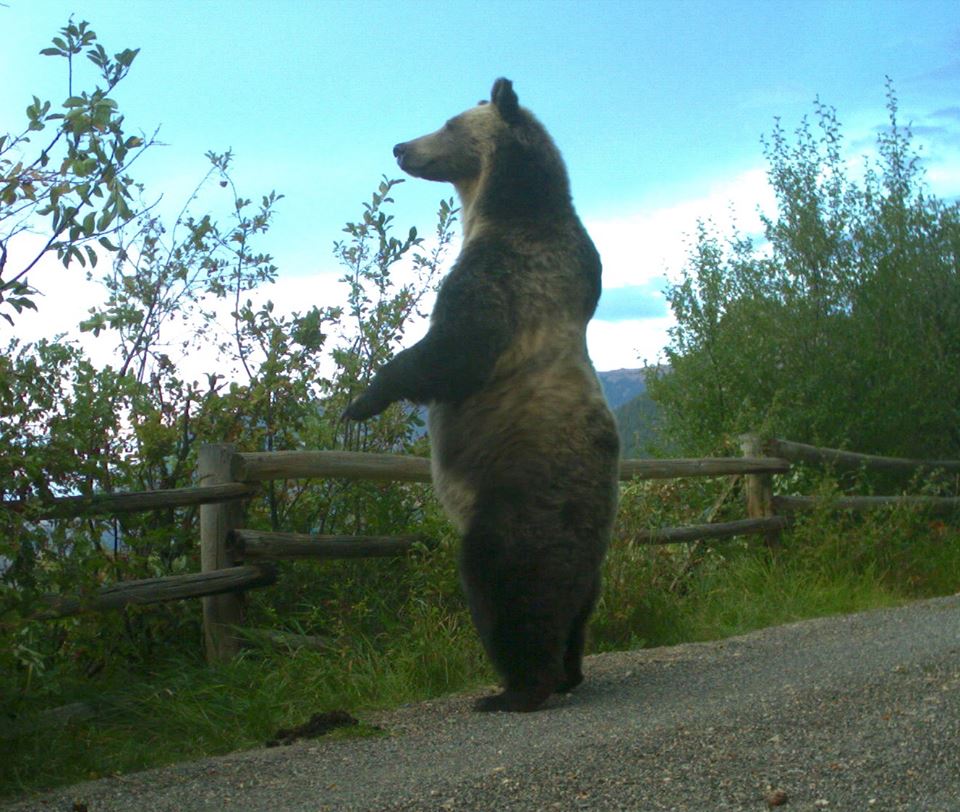


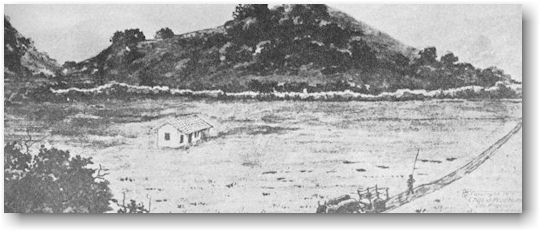
 But although the Spanish engaged in this cruel entertainment, California was underpopulated and grizzlies benefited from the increased food supply. When gold was discovered in 1849, a spectacular invasion of Americans came, and grizzlies were now doomed. In the span of just 25 years after California became a state in 1850, most all the grizzlies were gone. A few stragglers remained until early 1900s.