• MY BOOKS ON WILDLIFE, GARDENING AND MORE

  • The Wild Excellence

  • True stories of wildlife encounters around the Greater Yellowstone
  • Award winning eBook on Decomposed Granite, tips, how to's, what to watch for
  • Children's book. True stories of a dog and wolves. In a dog's voice
  • Written for dry Mediterranean climates in California, north and south

Bluebirds and coyotes

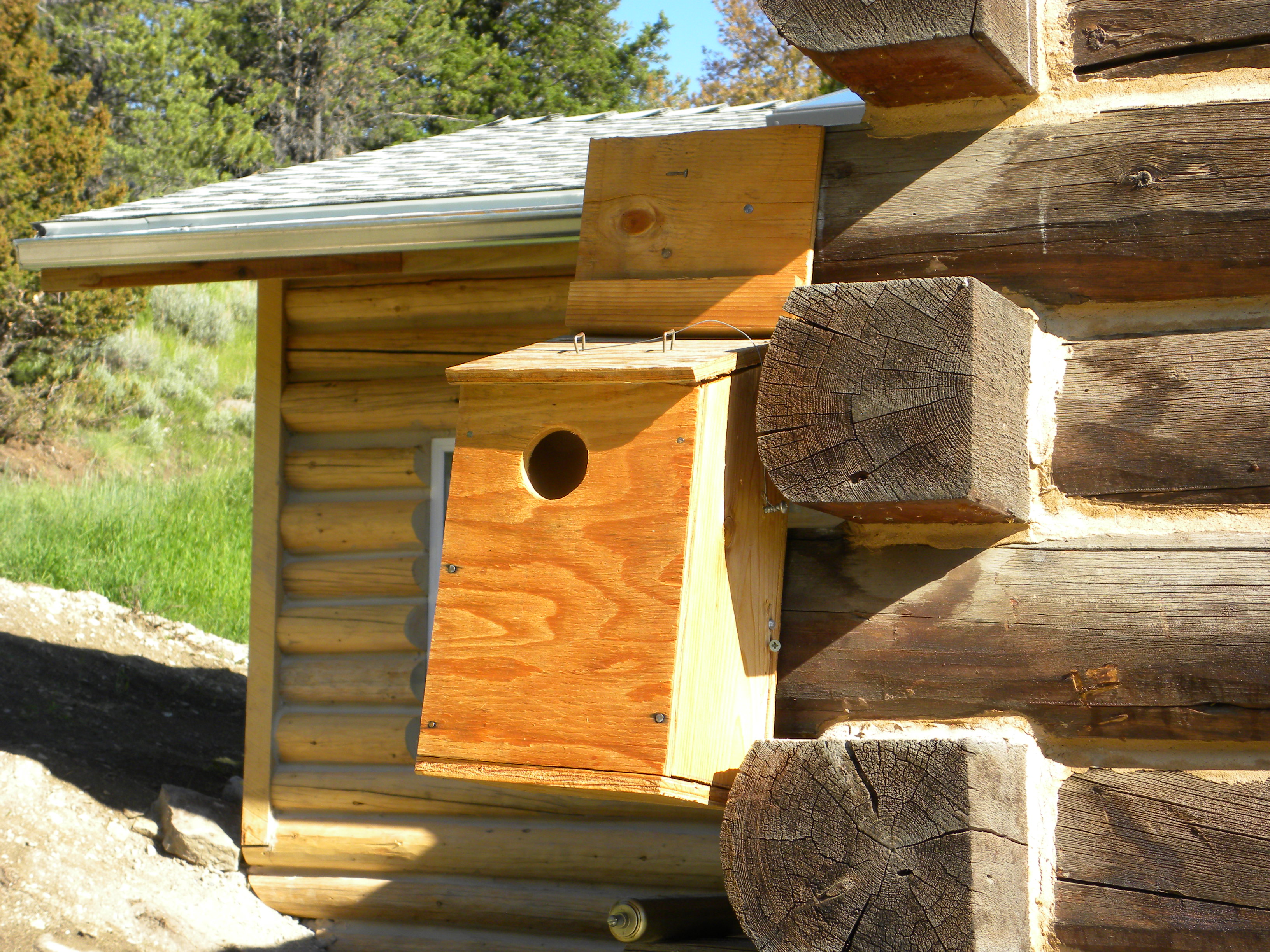
Last years box; this year's first inhabitants

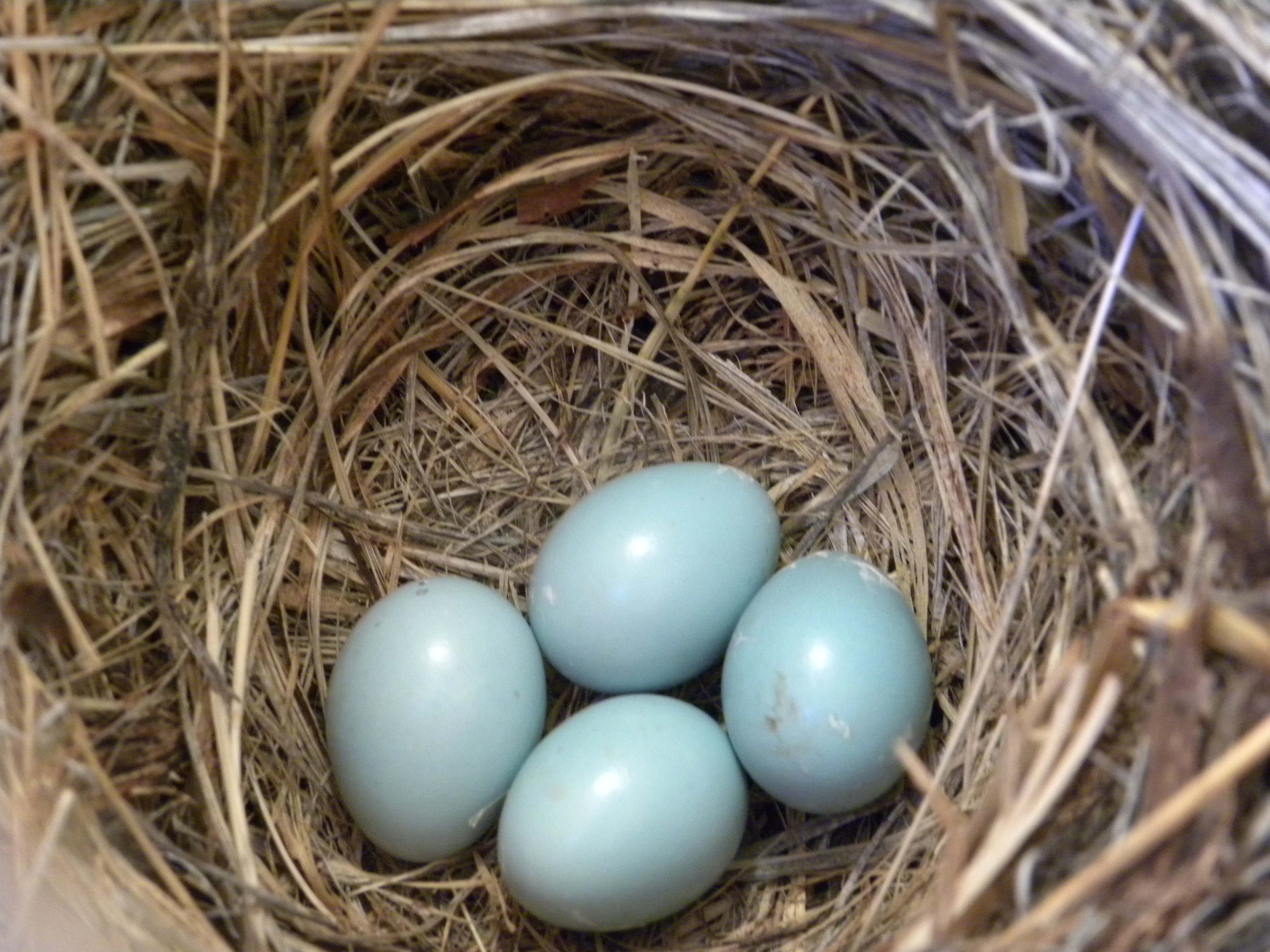
Last year I made this blue bird box but no birds liked it.  Then I heard that it takes a year before they’ll use it.  And, voila, some birds came and are nesting.

Bluebird clutch of eggs

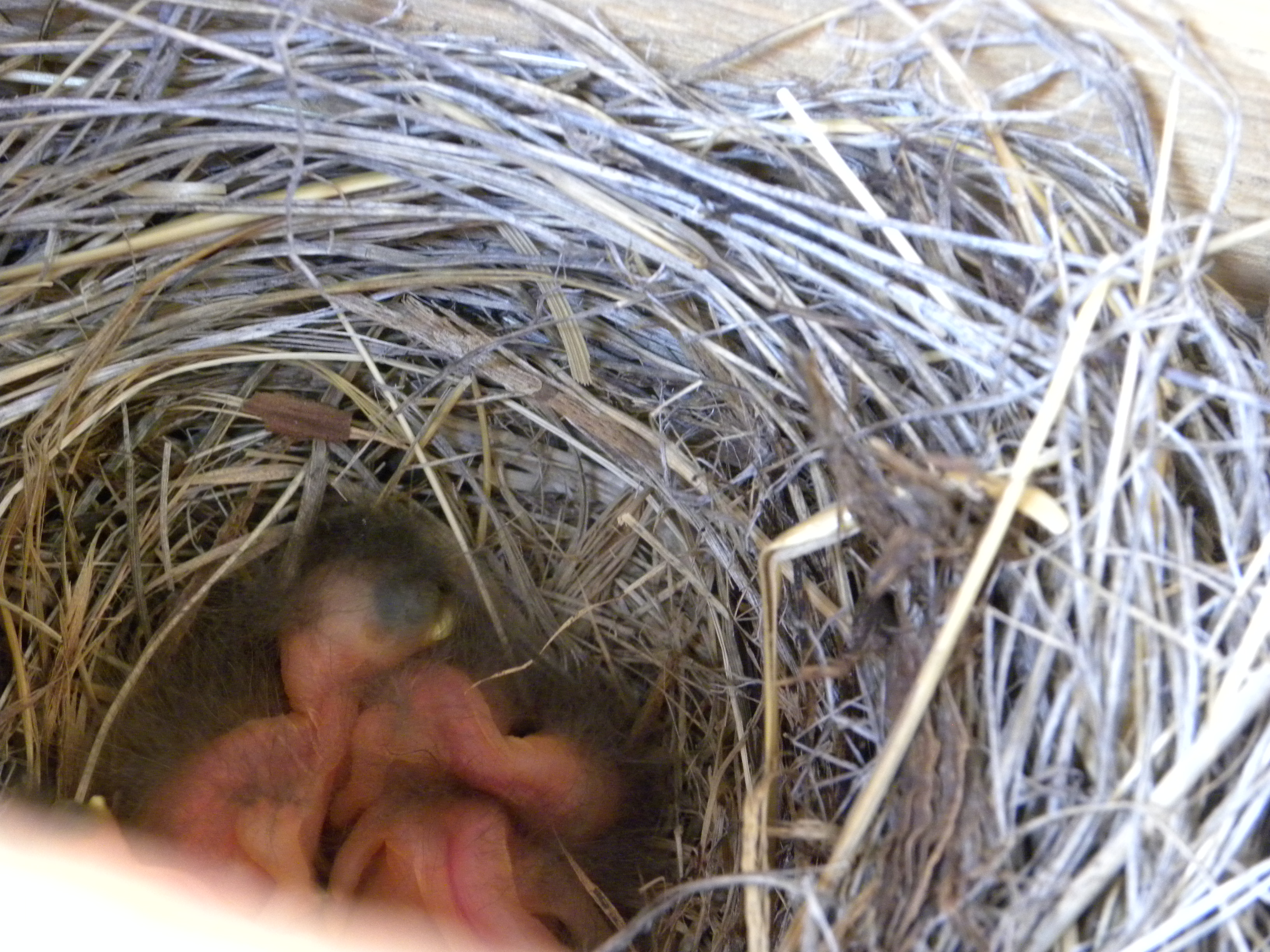
That was several weeks ago.  Just a few days ago, I heard some little ‘peeps’ and thought ‘They’ve hatched!’ I built the box as an observation box so I waited till momma and daddy left, then peeked in.

The babies

Sooo cute!

Well, they’re only cute because they are so little.  Actually they are funny looking without any feathers yet.  I was told that I should knock before entering.  That way if there’s a bird in there, they will leave.  But a few times I’ve knocked and then opened the top and there’s momma sitting on either the eggs or now the babies.

Mom and Dad are such good parents, watchful all the time and constantly getting bugs for the babies.

Momma

The other day I had a weird thing happen.  Early one morning I heard a crashing in the forest, lots of squirrel alarms go off, then nothing.  I thought maybe it was a bear.  I looked up at my fence line up the hill moments later, and there stood a young buck.

‘Strange’ I thought.  Deer don’t usually crash through the woods.  Maybe he was being chased.

Later, around 2 pm, I looked up towards the same area I saw the deer in the morning and noticed some large animal lying in the grass.

“Strange’ I thought again.  “Its too hot for an animal to be lying in the sun mid-day”.  I went up to look and there was my young buck, dead.  He hadn’t been killed by an animal, he hadn’t gotten tangled in my fence.  Only his eye was bloodied.

I called the game warden.  He needs to know these things and besides, I don’t want a bear in my yard tonight.  He examined the deer and also had no idea how or why he died.  He took the buck, along with my trail camera, to a remote area.  We thought we’d get some good grizzly pictures, or maybe wolves, but instead got coyotes on the deer.  Here’s a clip from my trail camera:

Error
This video doesn’t exist

“A hike is just a walk in a place where you can pee”  Demetri Martin

Chief Plenty Coups and his vision quest

This January I had a mind stopping moment.  I’d picked up a copy of the autobiography of Chief Plenty Coups by Frank Linderman.  The Chief of the Crow Indians was over 80 years old when he relayed, by sign and through an interpreter, the story of his life to Linderman, a white man whom he trusted and was his friend.

Plenty Coups was born in the mid 1800’s, a time when the Crow were still living free, just as they’d done for thousands of years.  Buffalo, their main food source, were plentiful.    Few white men were on the land when the chief was young.  It was Plenty Coups, the last chief of the Crows, who led his people onto the reservation.7791

“After the buffalo were gone, nothing happened.” he said.  From that time on, he lived in a square house on a reservation.

One morning I awoke unable to sleep.  I picked up the book at around page 30, where Plenty Coups begins to describe his second vision quest at nine years of age.  His first one he considered unsuccessful.  Now he was determined more than ever to complete his quest.  After fasting for several days and nights, Plenty Coups cuts off a finger (a tradition among Crow men who were seeking vision), then passed out and had a detailed vision.  He was lead under the earth by a helper, through a tunnel crowded with buffalo.  After a day and a night walking crowded by buffalo under the ground, they (the Man-Person and Plenty Coups) emerged from the tunnel and sat on a knoll.

“Then he (the Man-person) shook his red rattle and sang a queer song four times. ‘Look!’ he pointed.”

Plenty Coups saw buffalo emerge from the hole, out of the ground, in great numbers.  They blackened the plains and spread wide, going in every direction.  “Everywhere I looked great herds of buffalo were…pouring out of the hole in the ground to travel on the wide plains.  When at last they ceased coming out of the hole in the ground, all were gone, all!  There was not one in sight anywhere…”

“I turned to look at the Man-person beside me.  He shook his red rattle again. ‘Look!’ he pointed.”

“Out of the hole in the ground came bulls and cows and calves past counting.  These, like the others, scattered and spread on the plains.  But they stopped in small bands and began to eat the grass.  Many lay down, not as a buffalo does but differently, and many were spotted.  Hardly any two were alike in color or size.  And the bulls bellowed differently too, not deep and far-sounding like bulls of the buffalo but sharper and yet weaker in my ears.  Their tails were different, longer, and nearly brushed the ground. They were not buffalo.  These were strange animals from another world.

“I was frightened and turned to the Man-person, who only shook his red rattle but did not sing.  He did not even tell me to look, but I did look and saw all the Spotted-buffalo go back into the hole in the ground, until there was nothing except a few antelope anywhere in sight.”

“Do you understand this which I have shown you, Plenty-coups? he asked me.”

“No! I answered.  How could he expect me to understand such a thing when I was not yet ten years old.”

Now Plenty Coups and the vision-person went back into the hole and came out again.  Now the Man-Person pointed to an old man sitting in the shade, alone, by some trees and square house.
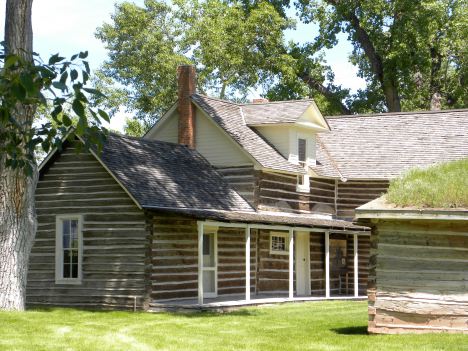
The house

“Look well upon this old man,’ said the Man person.  ‘Do you know him, Plenty-Coups?’ he asked me”

” ‘No,’

“This old man is yourself, Plenty-Coups,’ he told me.

Plenty Coups had seen, in his vision at nine years of age, himself sitting by the exact the same house (of course, he lived in a tipi at 9 years old, not a square house), the same stream, the exact same spot where he lived on the reservation as an old man.

Plenty Coups home, although most of the time he slept in a tipi outside

I read this line with goose bumps.

When Plenty Coups finished his vision quest in the Crazy Mountains, he went back to his tribe and related all of it to the elders.  Plenty Coups had never heard of nor seen cattle.  Neither had most of the Crow at that time.  But the medicine man had seen some to the east on the plains and understand Plenty Coups vision to mean that the buffalo would disappear and cattle would take their place.  Along with other elements I didn’t mention in the vision, the Medicine Man interpreted the Chief’s vision to mean he would not have children of his own and that he would be a great leader and lead his people to safety in the midst of great change.  All would come true.

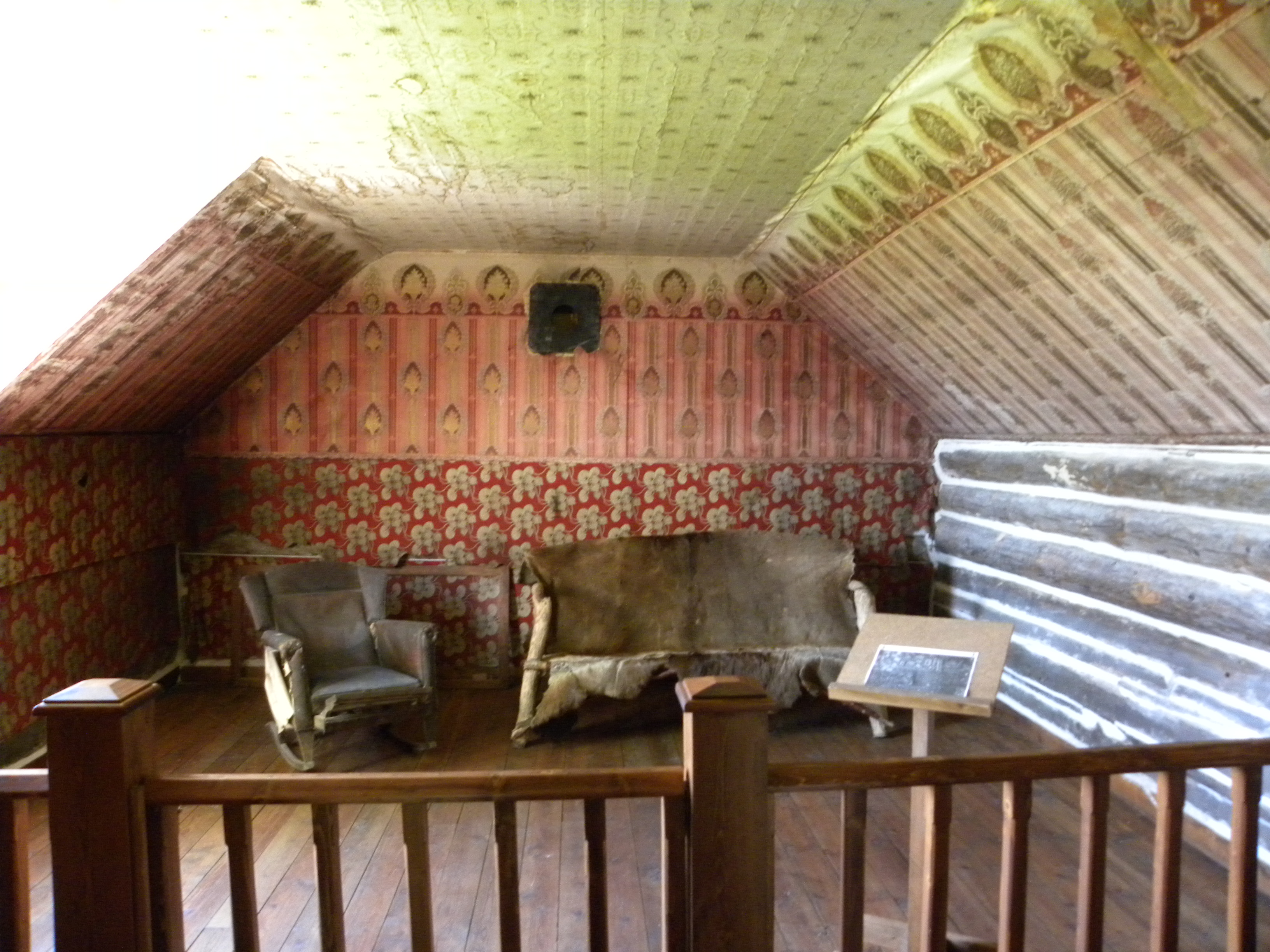
The wall decorations are reminiscent of the insides of tipis

Think about it:  if Plenty Coups could see all this at age nine, in some way his life and destiny were laid out before him at birth; maybe not the details, but the broad brush strokes.  Never would a nine-year old Indian living freely in 1850, think for a moment that he would be living in a square house as white men do, with all the buffalo gone.

Sometime in the early 1900’s, Plenty Coups, now living on the reservation, visited Mt. Vernon.  He saw that Washington’s home was preserved as a park for the public.  He asked that his home be preserved after his death as a Park for all peoples.  Last month I finally visited Plenty Coups State Park.  These photos are from that visit.
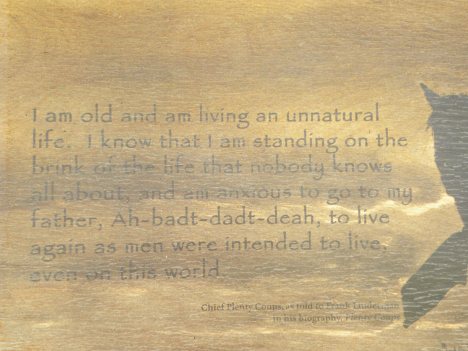
I love this quote. So true

Botanizing

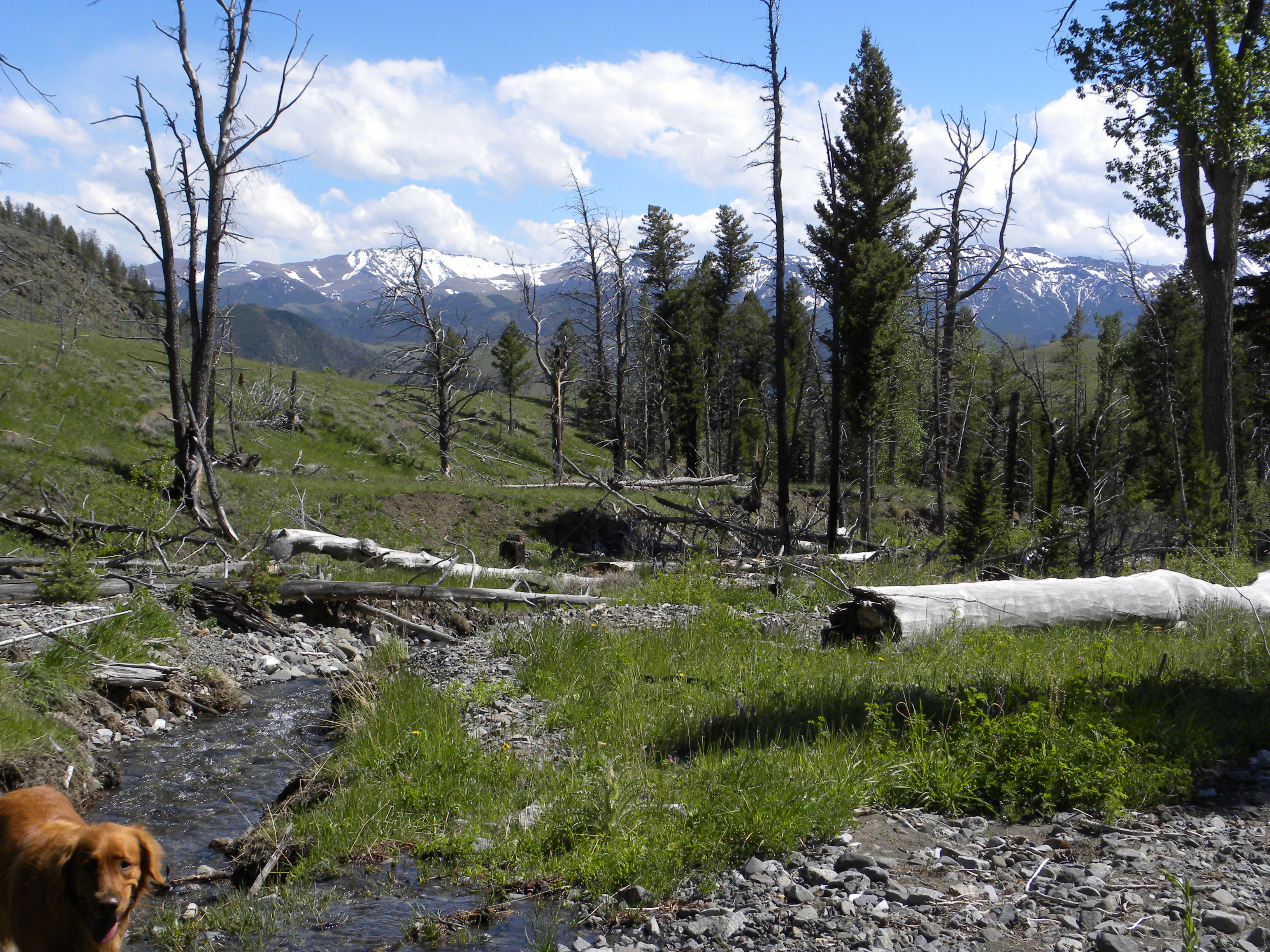
I found a great place to botanize to my heart’s content–a burned area from the ’88 fires with a stream running through it.  I’m working hard on learning as many new flowers and plants in my area as I can.  There are, though, quite a lot of plants that aren’t in my selection of books.

Burn from the '88 fires

Here’s a smattering of what I found just today.  I think I’ll return there every week for a few weeks to see what comes up.

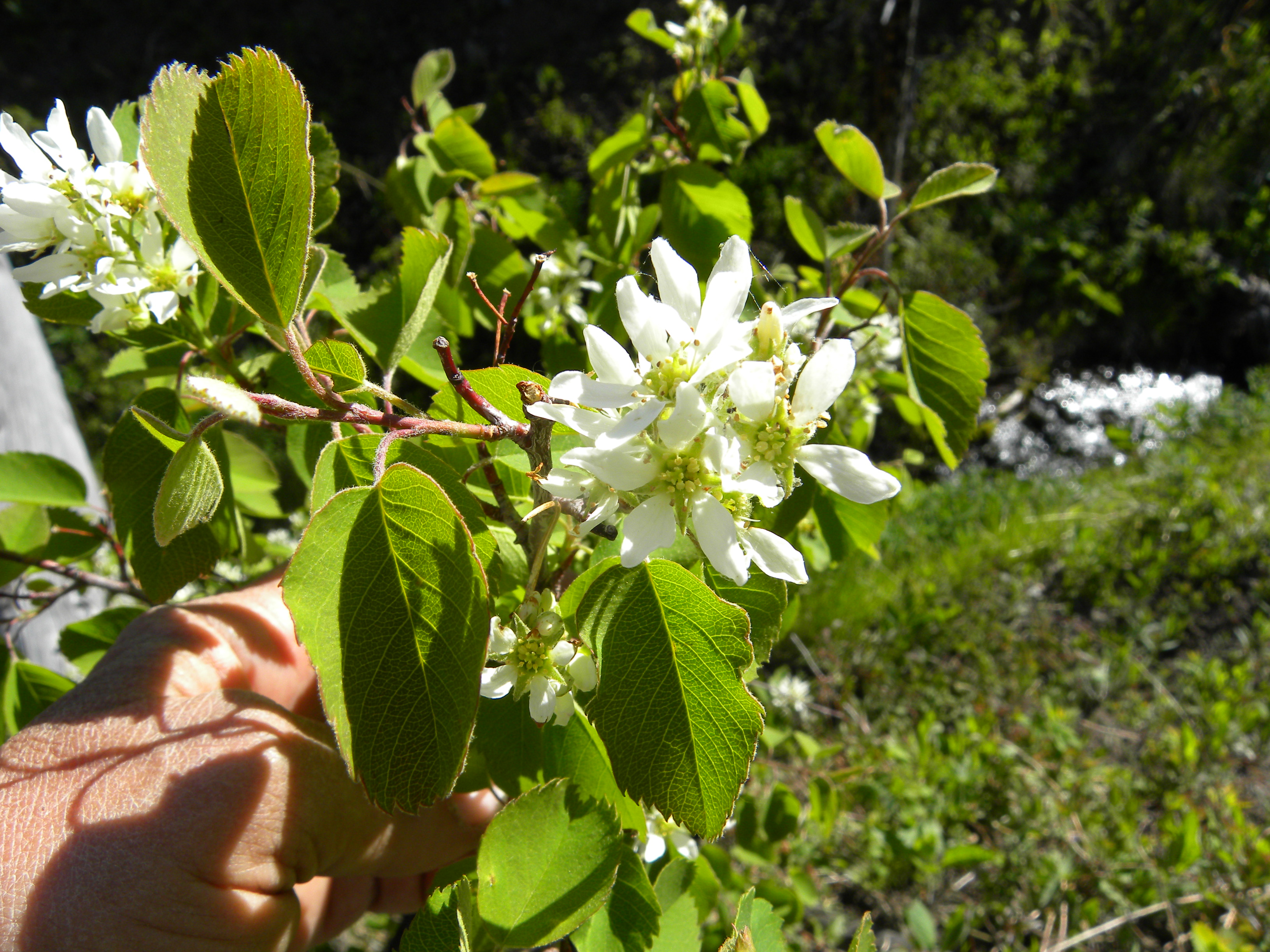
Amelanchier alnifolia- Serviceberry

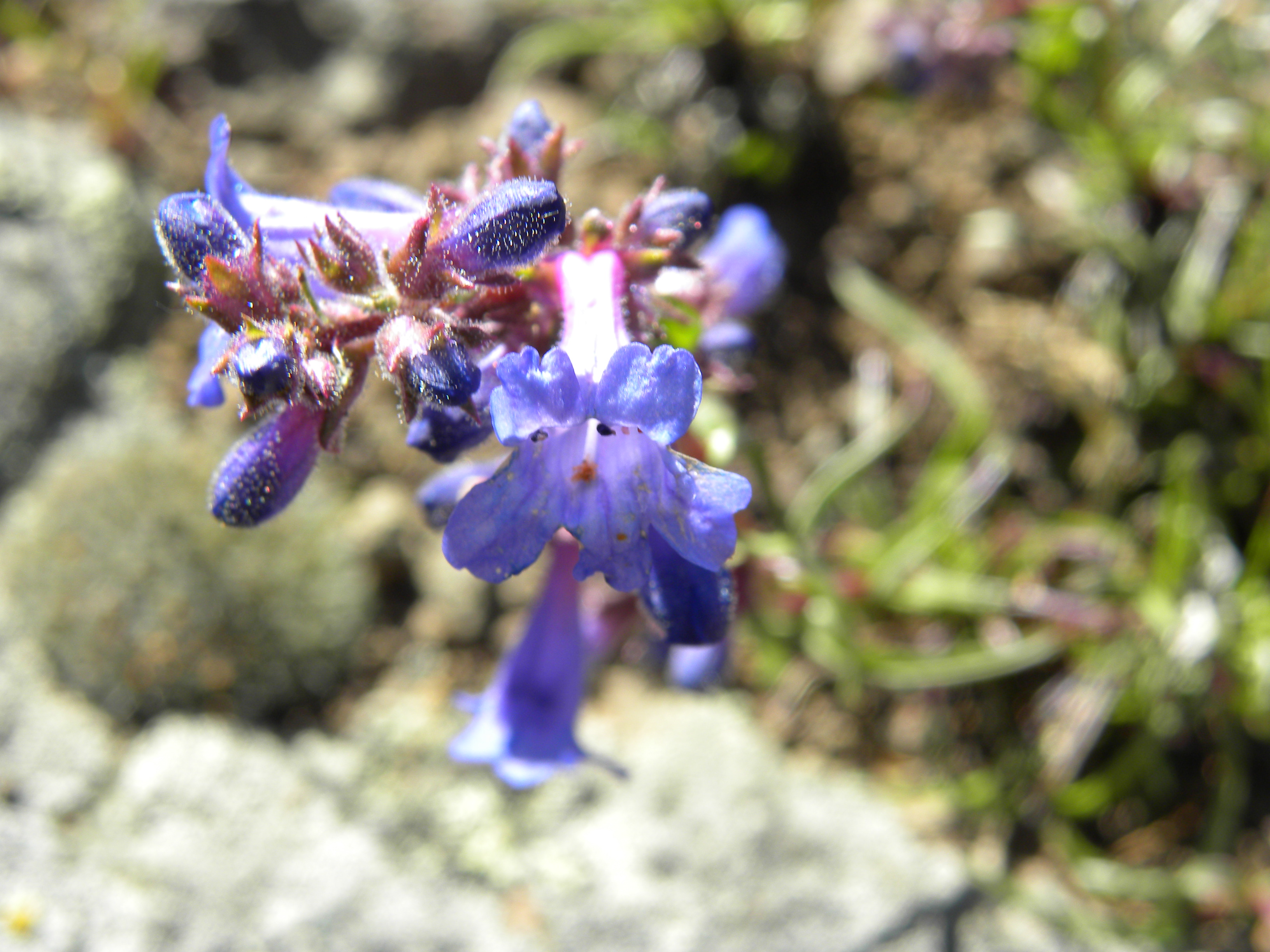
Penstemon sp.

Not sure which species that Penstemon is.

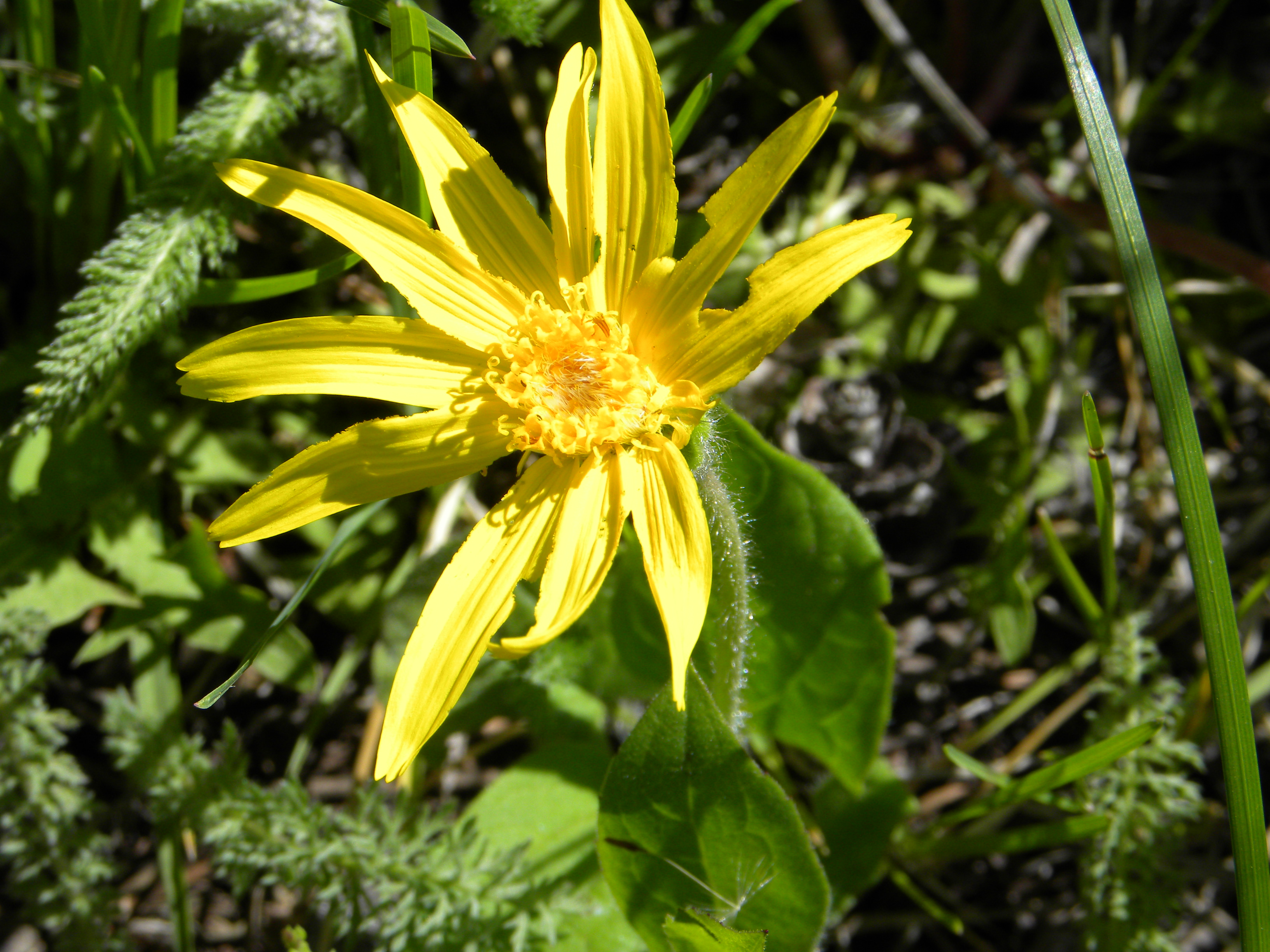
Heartleaf Arnica

This was one of the first Arnicas to bloom in the area, but there are patches of hundreds there.

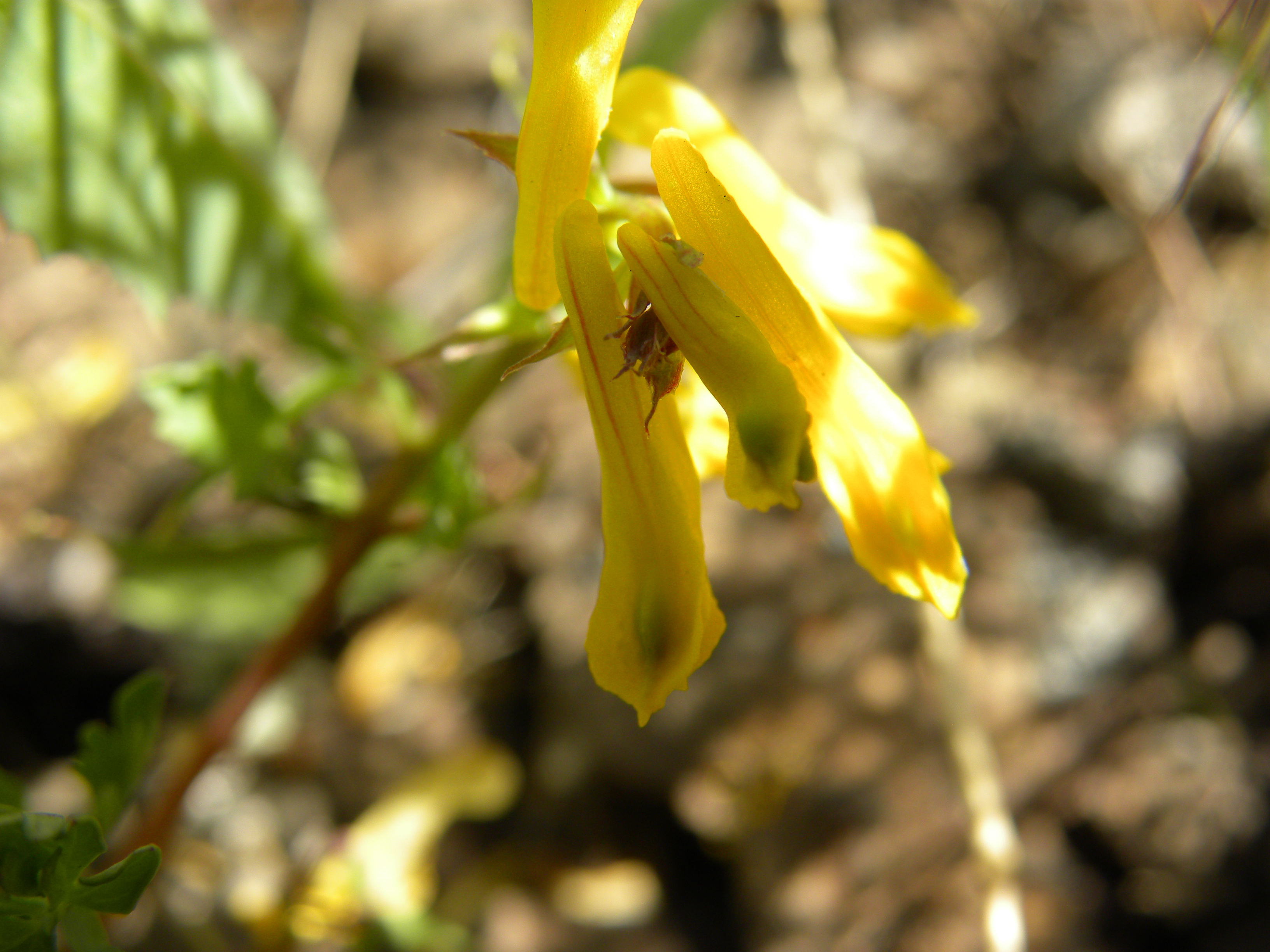
Corydalis aurea

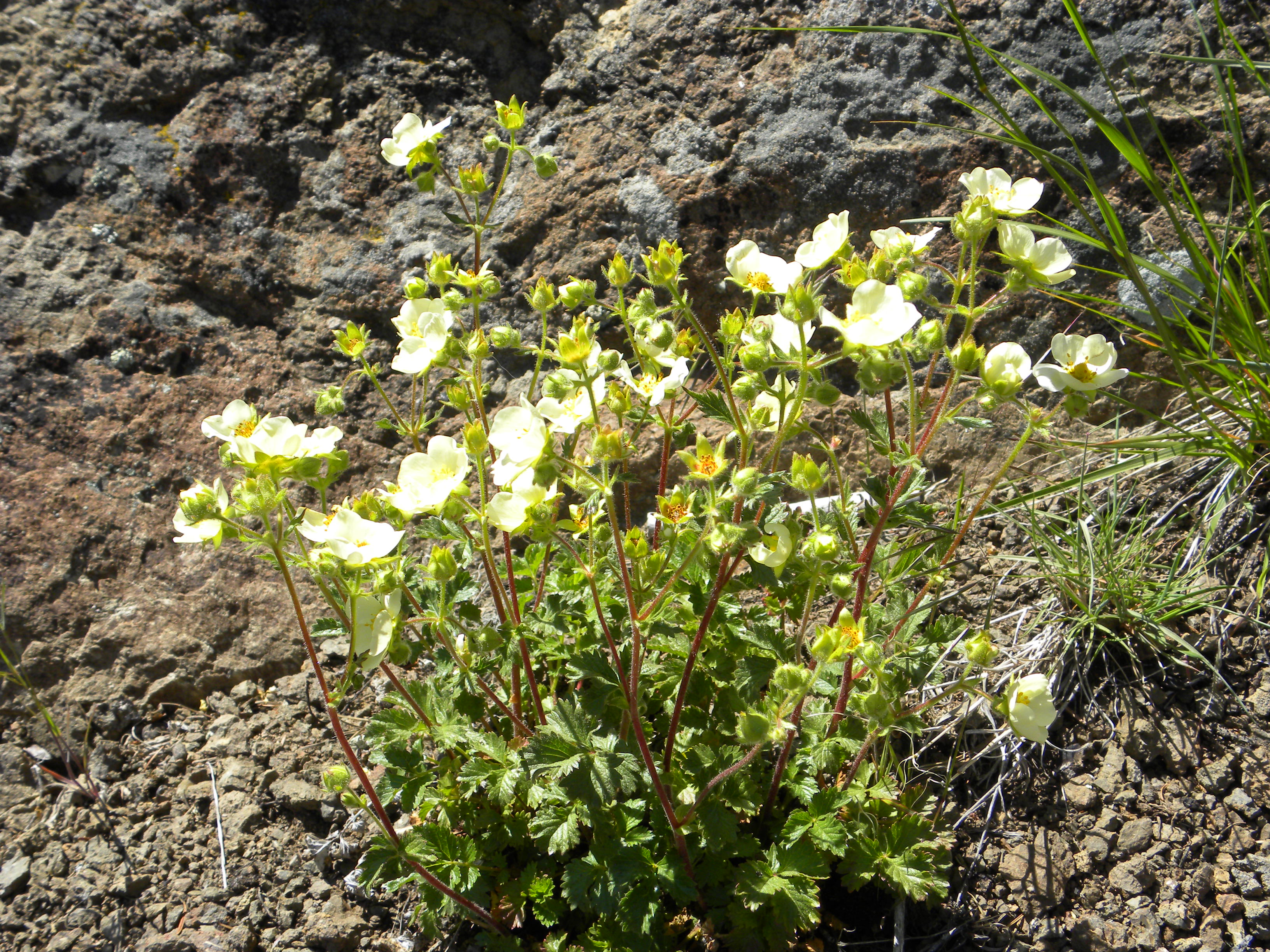
Potentilla arguta

This Potentilla was growing near the top of a gravelly hillside. Wow!

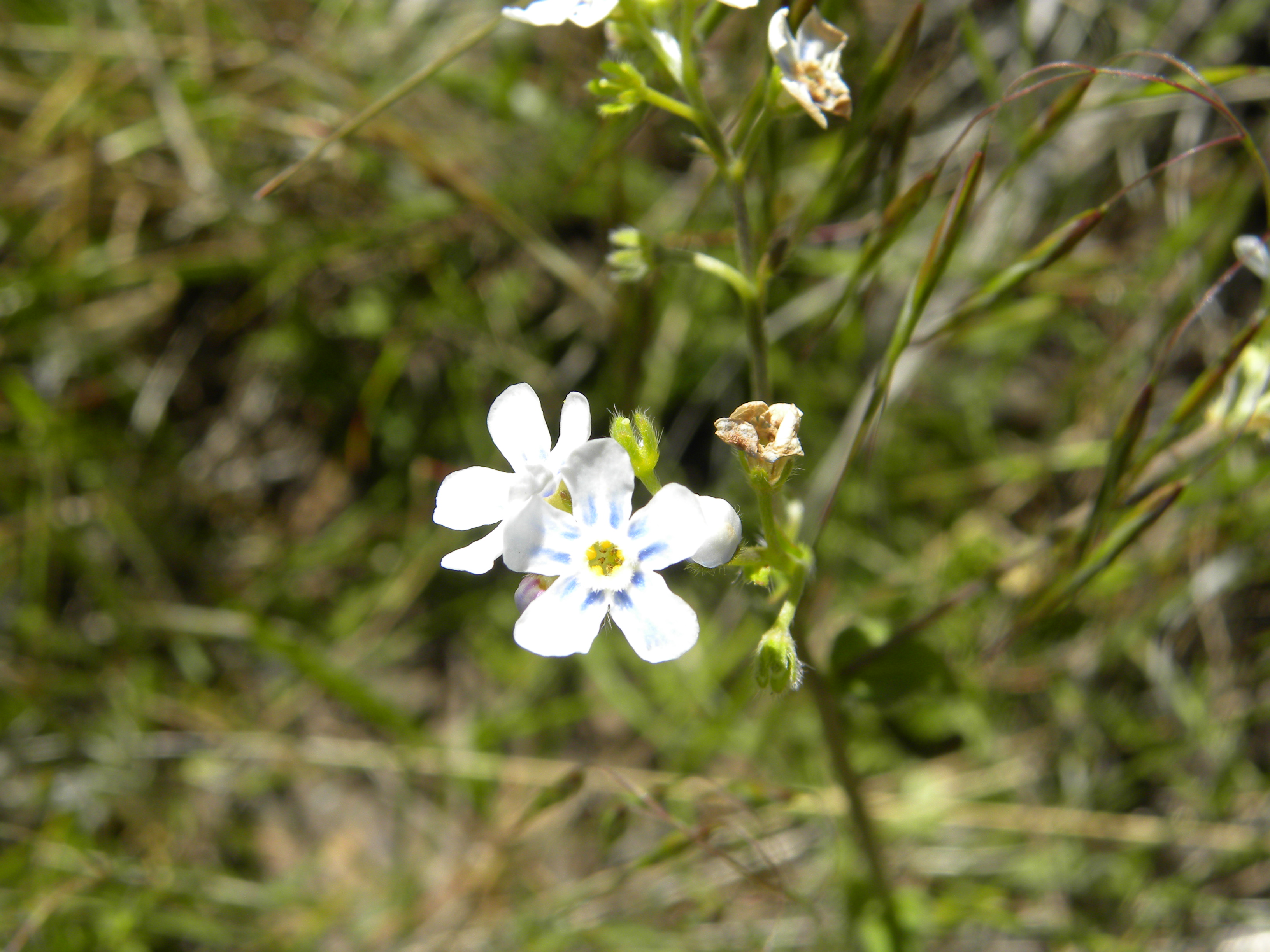
I think this is a type of Forget Me Not

This definitely looks like a lovely tall Forget-Me-Not.

Fungi of sorts

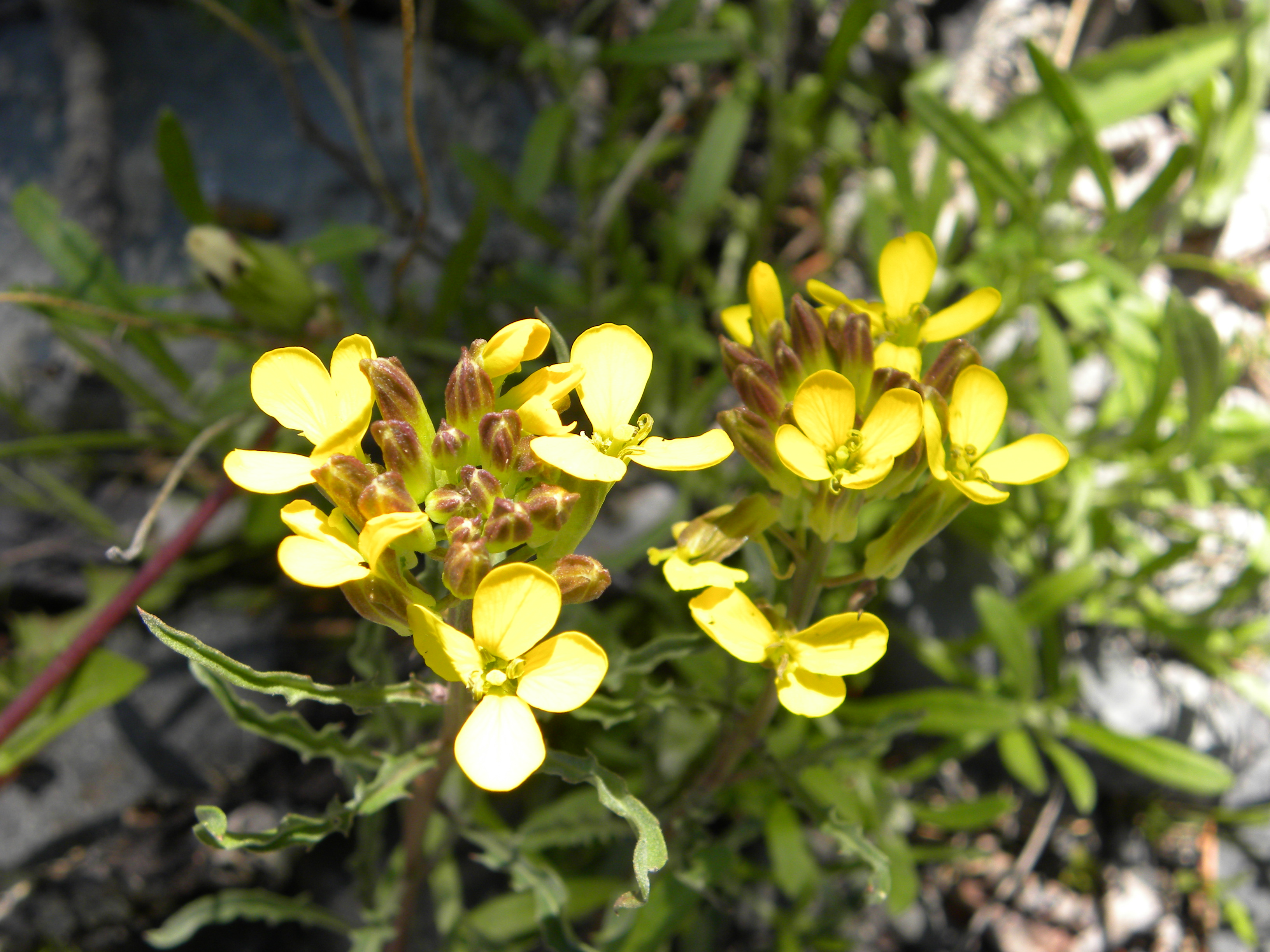
Erysiumum asperum - Western Wallflower

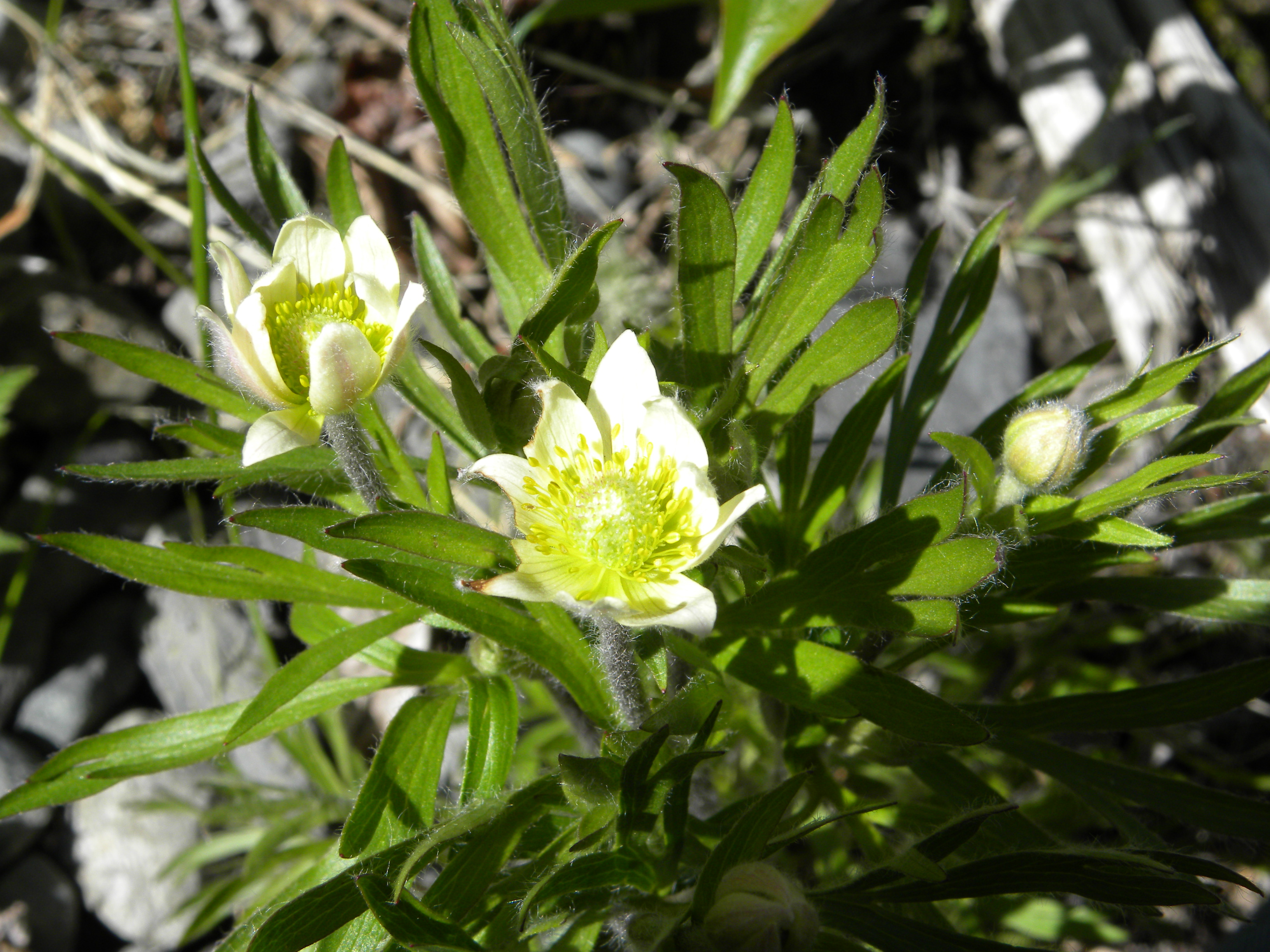
What is this?

Can’t seem to find this one in my books.  Mystery flower.

Lesquerella alpina - Alpine Bladderpod

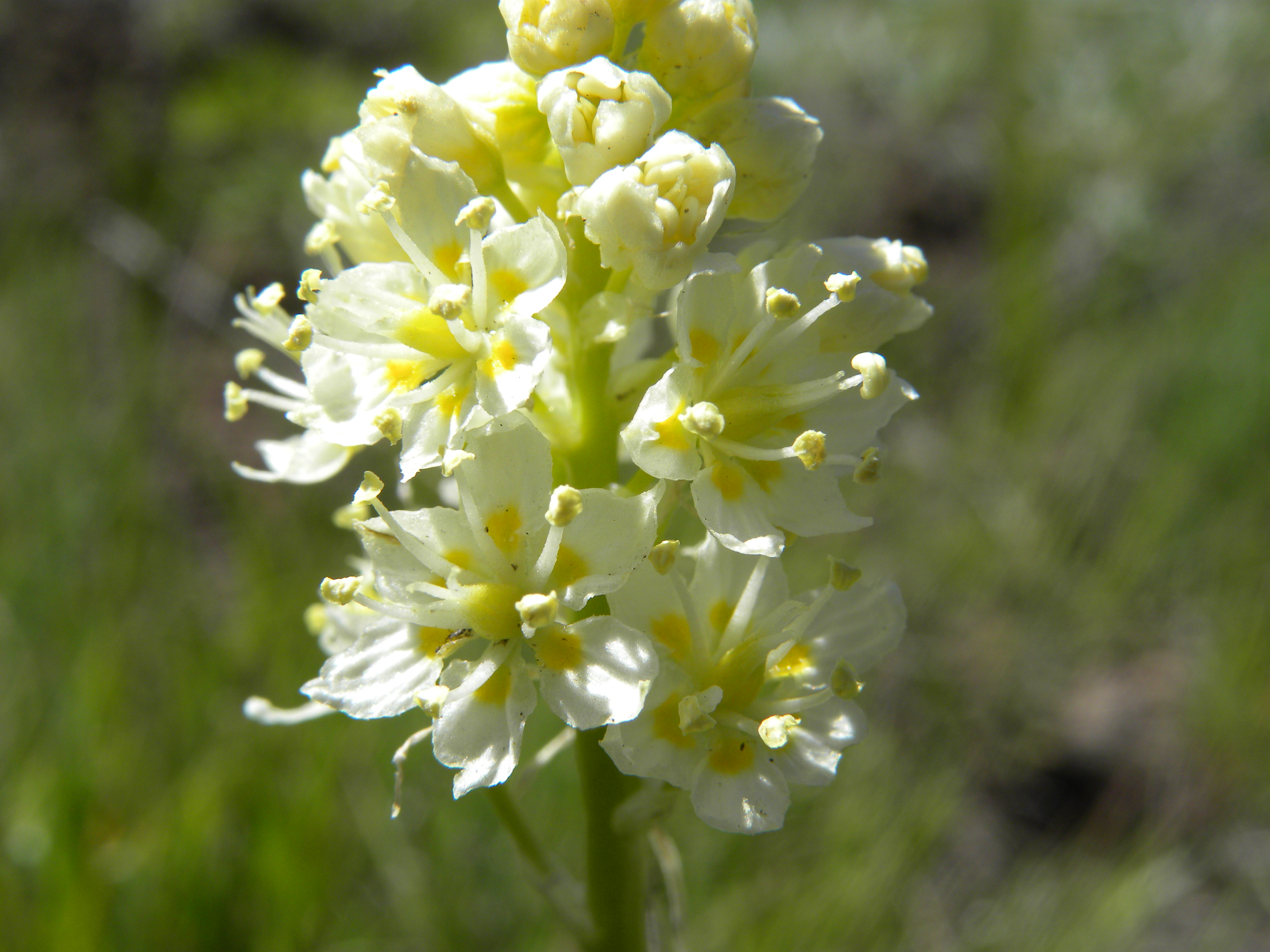
Zigadenus venenosus - Death Camas

Its good to learn all the poisonous plants in your area first.  This one’s very poisonous.  Although the book says it can be mistaken for wild onions, they are quite different.  These leaves are ribbed; onions are round and smell like onions.

Thalictrum occidentale - Western Meadowrue

Wow, these are so gorgeous.  I found only one in bloom, but a whole mess of them are about to come up in a shady area near the creek.

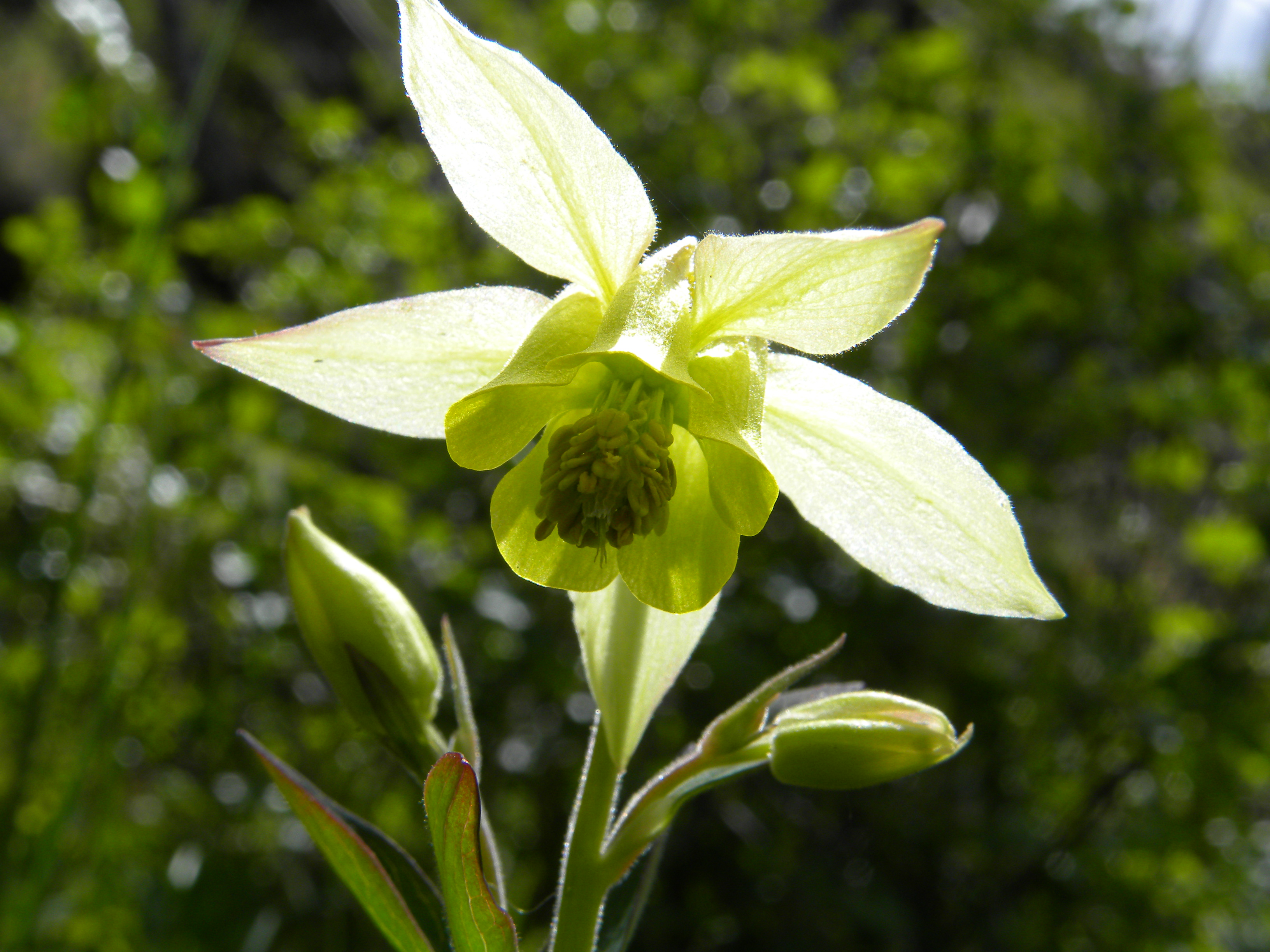
Aquilegia - Columbine

Geum triflorum - Prairie Smoke

Lithospermum ruderale - Stoneseed

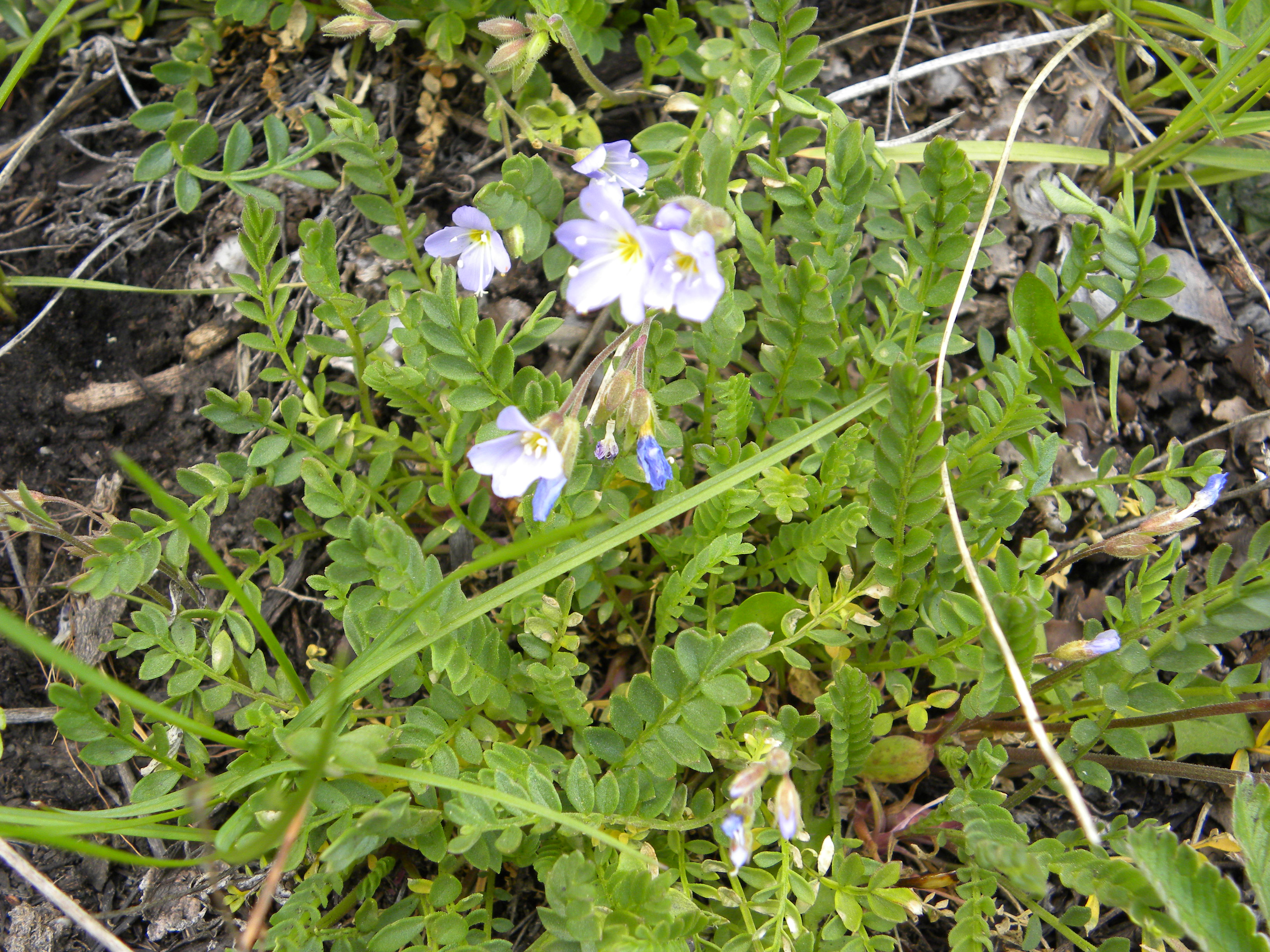
Polemonium viscosum - Sky pilot

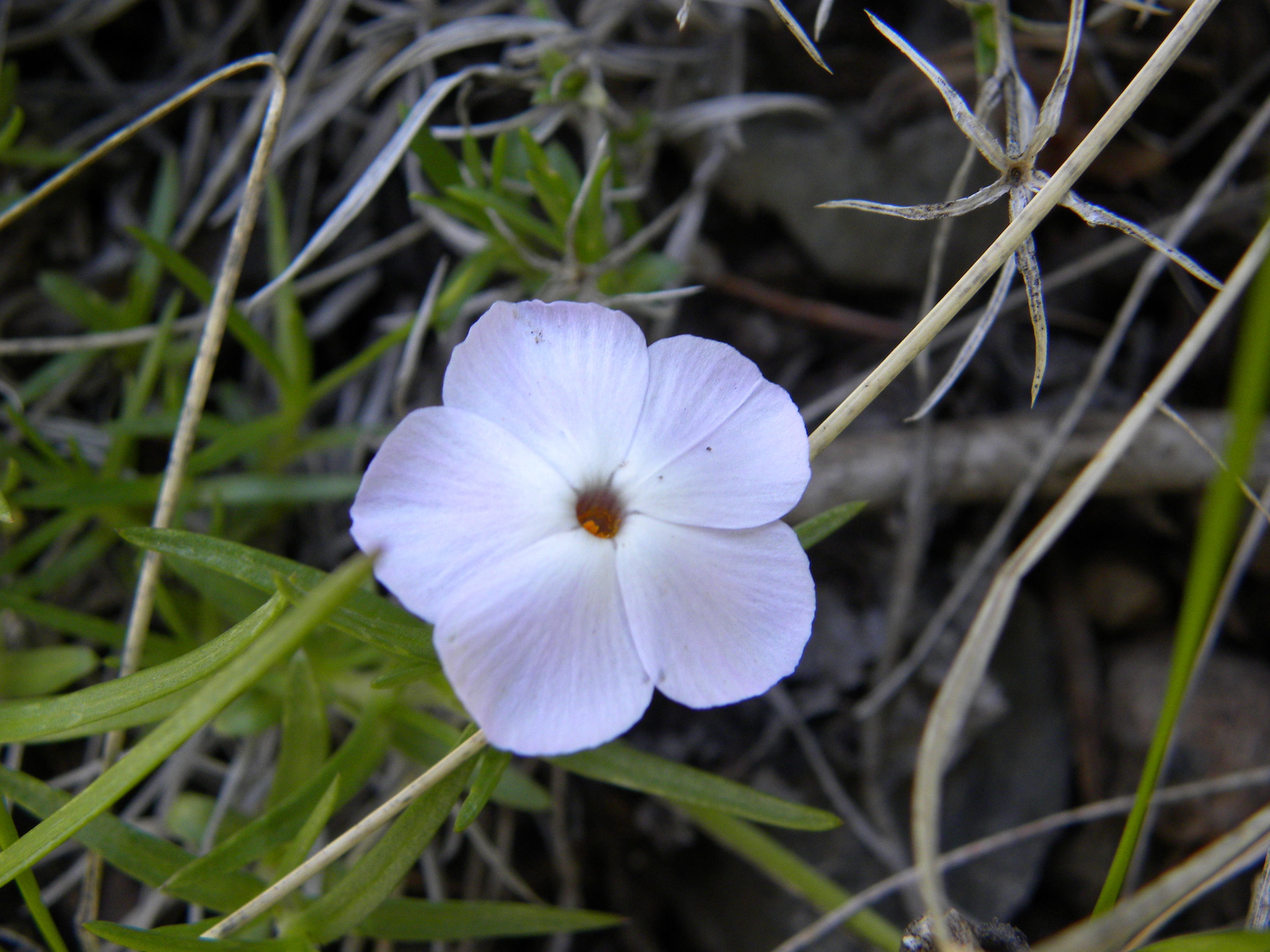
Phlox multifora

Mystery plant which I think is in the mustard family

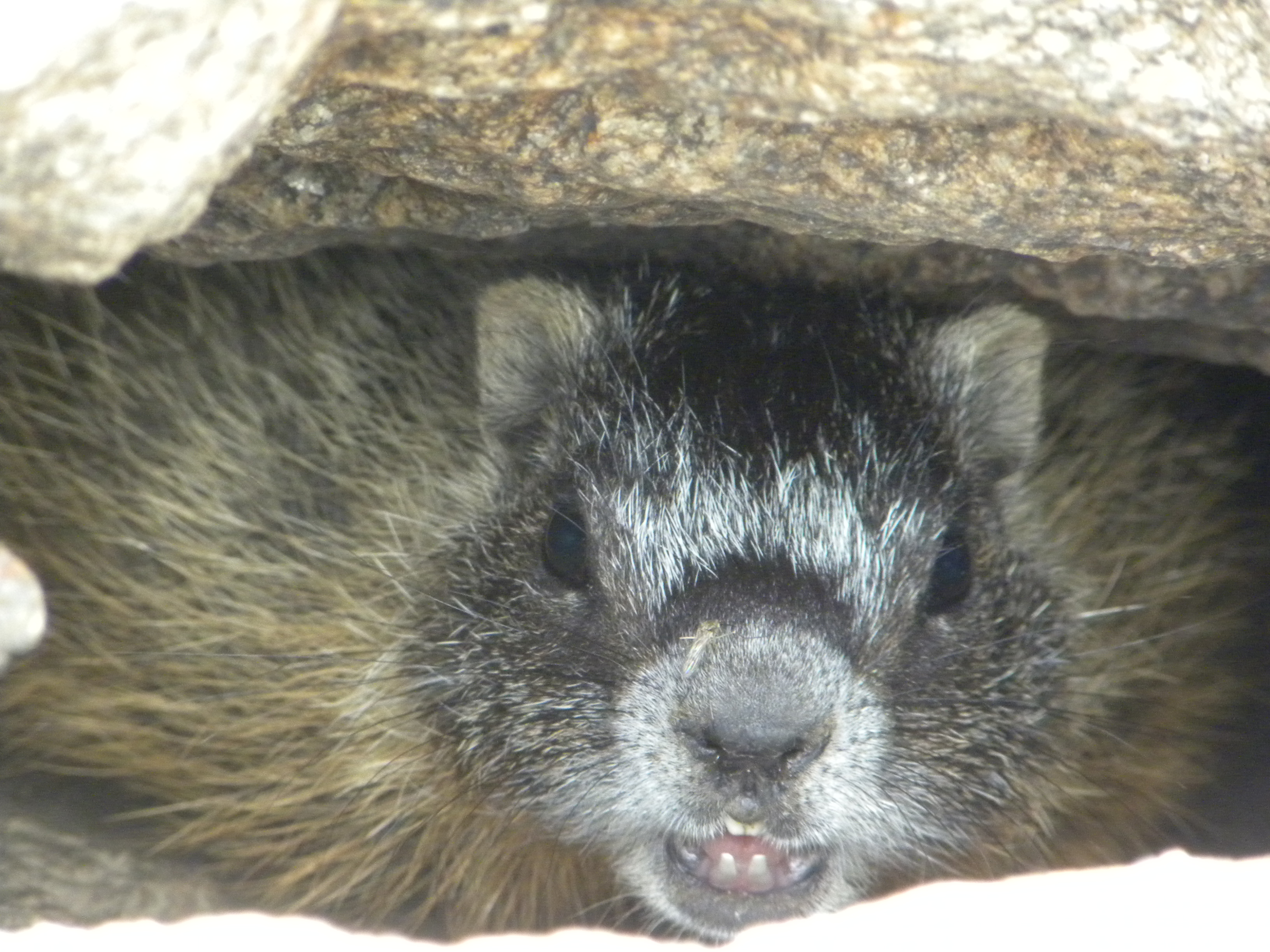
And Koda had a great time scaring a marmot into a rock crevice.

Koda barks while the marmot whistles-quite a symphony

A Rare Treat

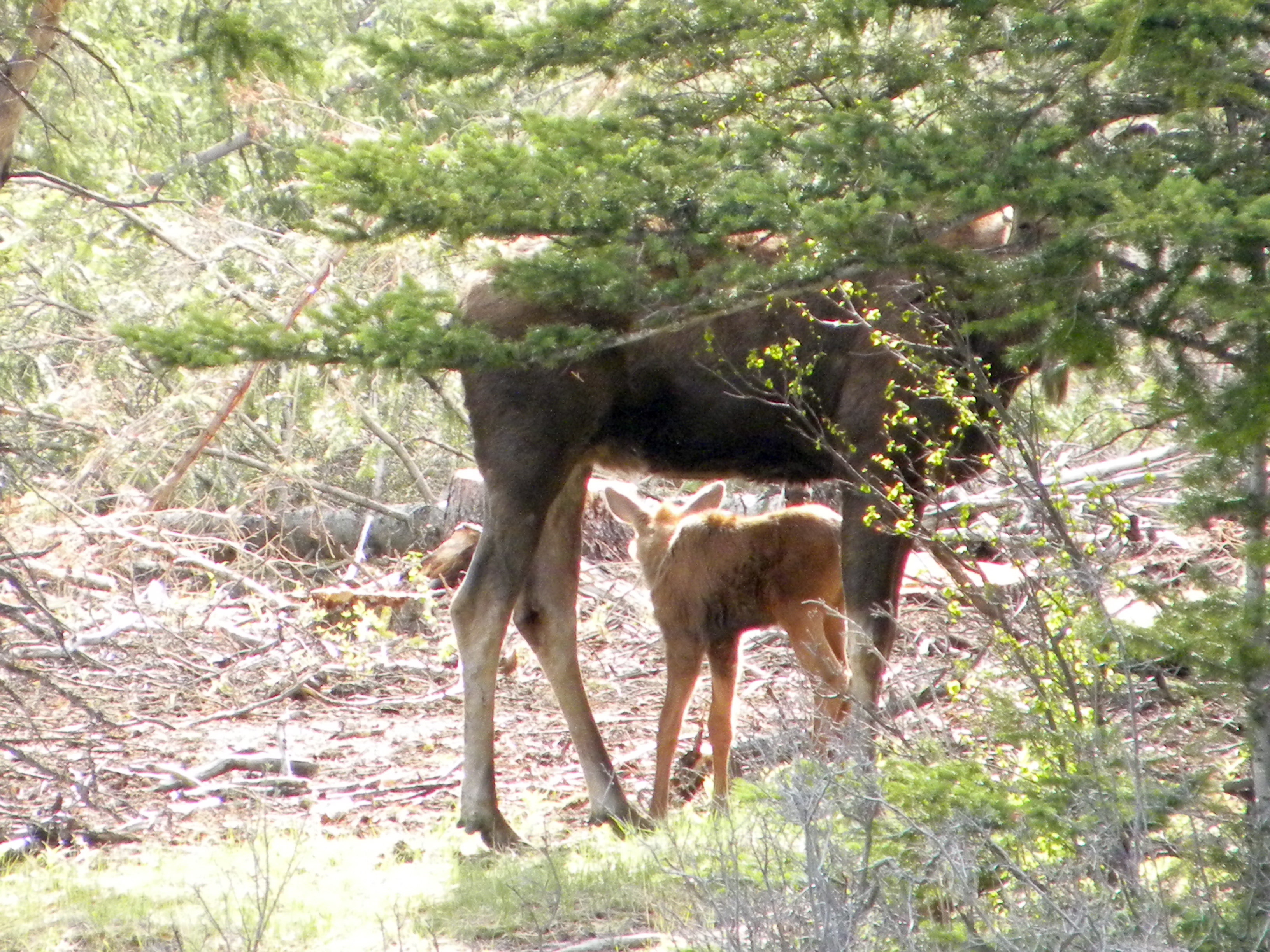
Early this morning I noticed the cow moose I saw a few days ago lying by the meadow/forest interface.  I glassed her and saw, to my surprise, she had a little calf with her.  I watched them both for about 45 minutes.  What a treat!

And the last treat:  Yesterday on a hike I stumbled upon a grove of beautiful fairy orchids, one of my favorite flowers here in the mountains.

Calypso bulbosa

Yellowstone spring

I’m doing some work here, adding a utility room.  With all the noise and construction, it was a great opportunity to escape to the park and let the workers watch the dog.

Since it only takes me 40 minutes to the NE entrance, I escaped around eleven and was back by 5.  The day was overcast and on the cold side.  I’d planned to do a day hike, but chucked the idea with a cold wind blowing through the Lamar.  There was enough activity to view right from the road.

I’ts early June, the kids are still in school, and usually May and June the Park is still quiet during the week.  Yet last summer was the busiest the Park has ever seen and its predicted to be the same again this year.  The Lamar Valley had plenty of people today, but they all seemed serious wildlife watchers and so the atmosphere was calm and peaceful.

I do have to say, with all the hubbub around the ecosystem about wolves–rallies in Jackson and Cody recently, sponsored by outfitters and the Elk Foundation, complaining about wolves taking their business away [i.e. “biggest slaughter since the bison” meaning the wolves are eating all the elk, like when we killed all the bison] and wanting Wyoming wolves hunted as predators–it seems to be completely forgotten that wolves have created an incredible tourist attraction that benefits Wyoming.  I only talked with a few tourists in the valley, but they were all looking for wolves.  I ran into a carload of tourists from Oklahoma who had gotten out of their car to use the restroom when they heard a wolf howl.  They walked out to an overlook of the Lamar river and saw a black wolf–a thrilling experience for them.

Another man stopped and asked what I was looking at through my scope.  When I told him ‘a black bear’, he said “We already saw that.  We’re looking for wolves.”

It seems to be one of the main draws to the Park these days.  Wolves have fueled the attendance to record numbers!

With the Druid Pack all but gone, I didn’t expect to hear or see wolves in the Lamar, but there was a black wolf running around there, plus a tourist told me she’d seen one on a kill earlier.

Mostly though, since I see wolves in my own valley, I love to see the Bison and especially their babies at this time of year.  They are the only wildlife that cannot leave the Park so I have none in my valley.

Error
This video doesn’t exist

There were a lot of Bison in the Lamar this day.  I always try and imagine the great herds that once roamed everywhere just a few hundred years ago.

Loads of Bison

Besides Bison, wolves, and black bears, on the way out I saw 2 beautiful old bull moose hanging by the side of the road (until a crazy tourist tried to get a close up picture.  Fortunately for the tourist, the Bulls decided to head up the hillside instead of into the tourist).

Mothers: Bears and Elk

Last week an elk calf was killed right in the little meadow by my house.  Koda discovered the leg, lying in the disturbed grass near a solitary aspen.  The mother elk had been hanging around all morning, calling and calling for her baby.

Now, almost a week later, I heard her early this morning, still calling.

Cow elk sniffs where calf was killed

It breaks my heart to hear her.  I saw her last week quite a lot, coming closer and closer into the meadow, unperturbed by my presence or the dog, obviously confused as to where her baby might be.

Koda and I walked the trail through the little adjacent forest.  Fresh black bear tracks, a mother and her cubs, had wandered amongst the springs.  I set up my trail camera and found another leg from the calf.

The little elk had disappeared almost without a trace.  I’ve walked and walked around the area looking for more evidence.  One leg in the meadow; one in the woods; where’s the rest of her remains?  She barely lived, barely had a chance.

Yet, maybe these two little bear cubs will now have a chance.

Black Bear cubs

Its bear hunting season and although you can’t shoot a mother or her cubs, the young male whose been hanging around, digging for roots and insects, is fair game so to speak.

Its sad, but yet true.  One life feeds another.  I sing for the bear mother.  I cry for the elk mother.  One does not negate the other nor hold more value than the other.  Its’ the old and ancient dance.  Don’t be fooled.  Despite all the latest new fangled technologies, extended life, genetic transformations, new pills, greed on Wall Street, fat cat politicians and the usual rhetoric, we too are dancing.

Some Patio Notes

I recently visited some old clients and got a chance to see how their gardens had filled in.  I want to comment on just two gardens with interesting patios.

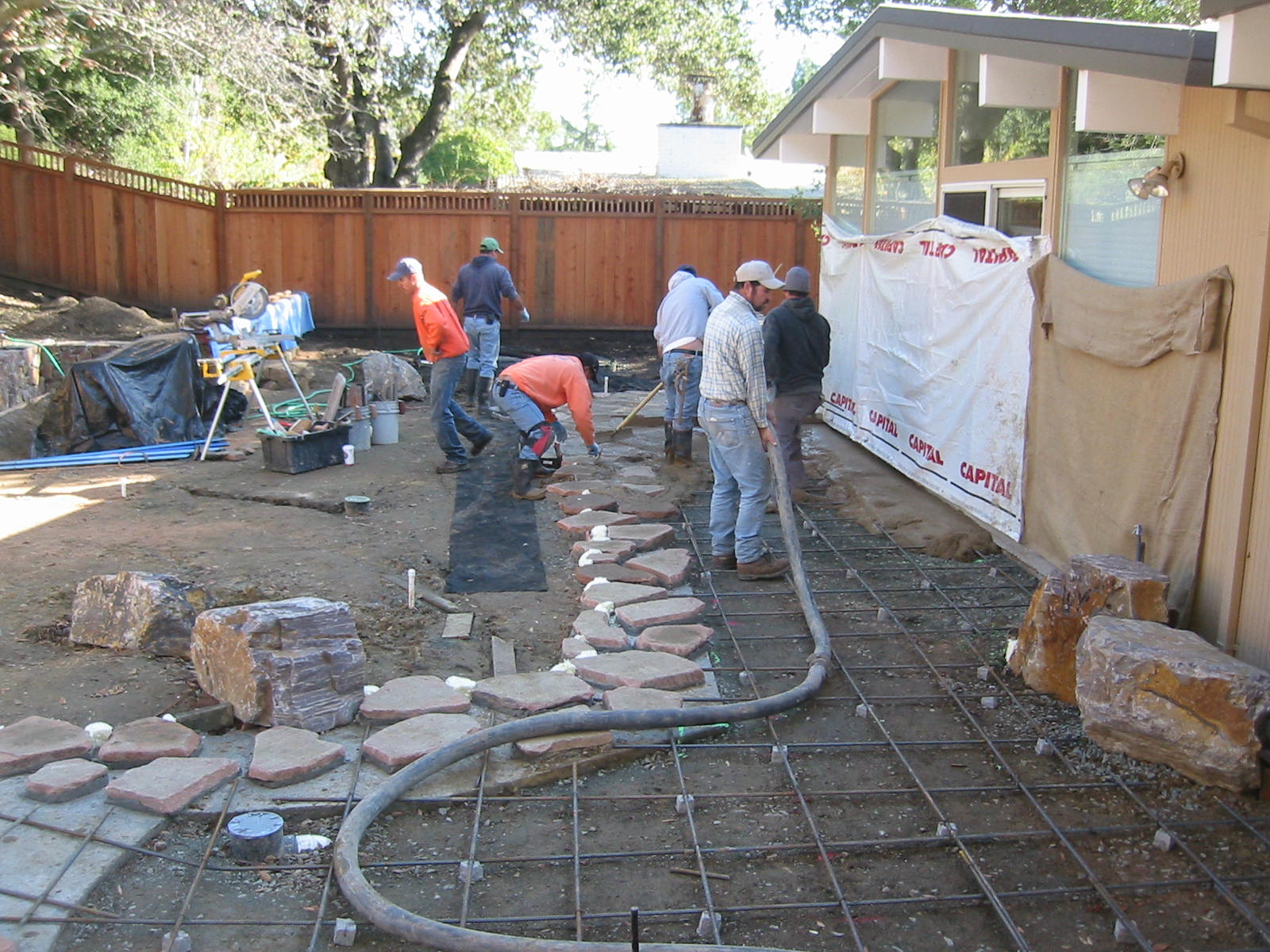
The first was an idea I cooked up.  It involved using pavers set in concrete around the edges of the patio.  Executing it was a contractors’ nightmare I suppose.  I wanted the pavers to be included in the final pour so the patio flowed together.  First we did a hand pour and set the pavers in around the edges.  You’ll notice those white things in the photo.  That’s where the planted edging around the lawn goes and we had to have a backstop for the concrete, so it wouldn’t pour into the dirt.  We used some styrofoam that could later be taken out.

The pour

The boulders to the right of the above photo are set so no concrete flows beyond them.  That area was a planted pocket.

As we poured the patio, we had to hand work the concrete into the spaces between the pavers and wipe the pavers off of the concrete.  We had to work fast and it was tedious.  Like I said, a contractors nightmare!

Carex lawn with small plants as edging

I didn’t want the concrete to butt up to the lawn.  I wanted a softer edge so I used a mixed planting of grasses and Stachys ‘Hummelo’, a small flowering Stachys which isn’t flowering in this photo, but flowers all summer long.  The lawn itself is Carex pansa.  The owner has two children who were around 10 and 8 at the time.  They were able to play ball on the lawn.

Pavers set in concrete

Originally I’d picked out a dark purple colored paver, but that was too wild for the client so we went with a more subdued look.

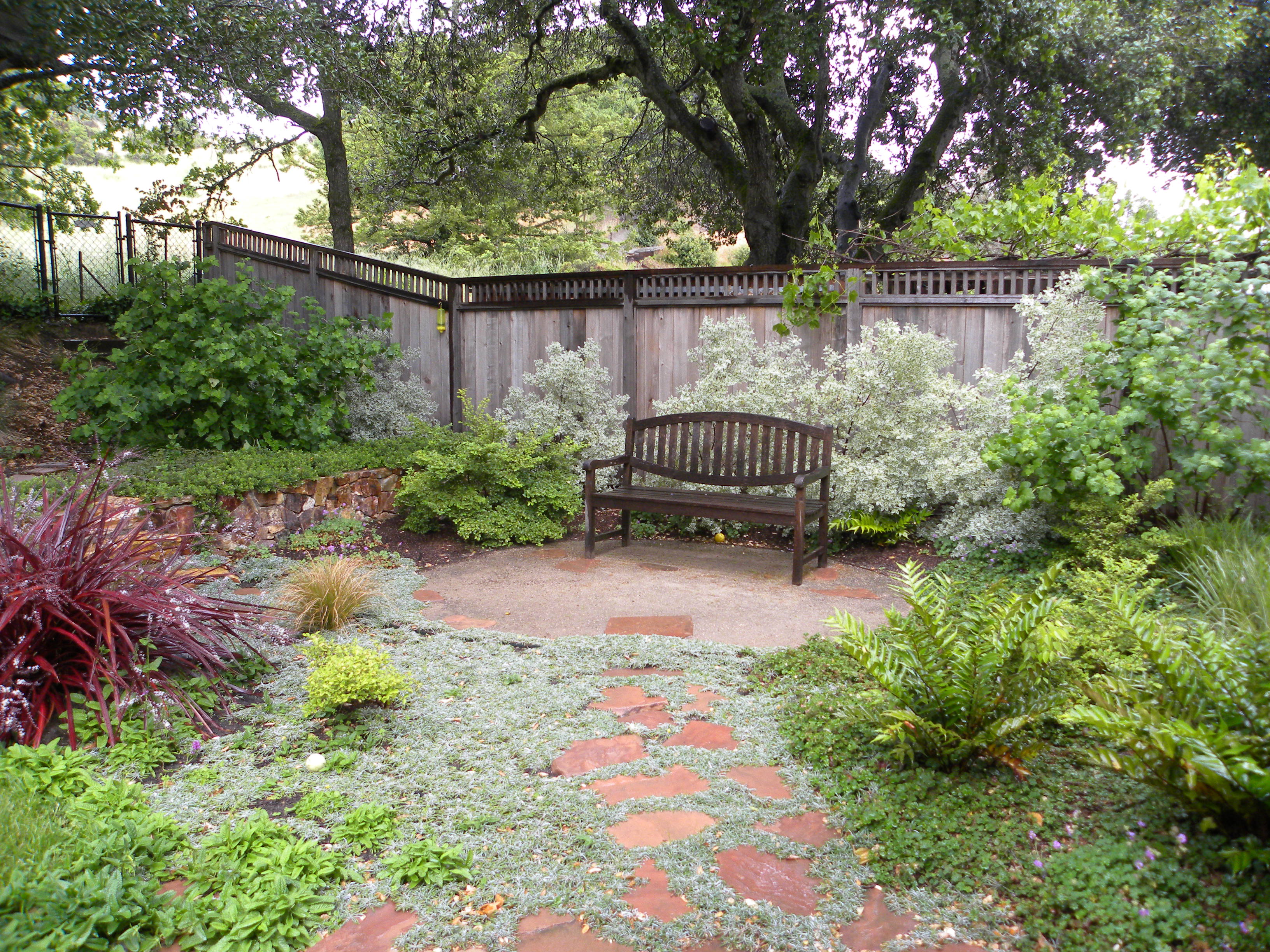
The client asked for a small patio/sitting area in the corner of her garden.  Instead of using more concrete, I chose decomposed granite with the addition of a few pavers in it to match.  A path of the same pavers set in soil with ground cover leads to the patio.

Decomposed granite small patio with pavers; Pavers set in Dymondia groundcover

Decomposed granite small patio with pavers; Pavers set in Dymondia groundcover

I say that a yard takes about 6 or 7 years to mature.  This yard is about 4 years old, still growing in, but I was pleased at its progress.

I also visited a garden that used the DG dusting method described in a previous post.  This garden was installed five years ago.  The DG still looked excellent, but in a few spots you could see exposed baserock.  After five years it’s time for another dusting of DG.  In making a decomposed granite patio, the major expense in materials is the DG.  At over $80/yard, doing a dusting instead of 2″ saves quite a bit of money.

Decomposed Granite patio dusting method after 5 years needs new 1/2" DG application

Decomposed Granite patio dusting method after 5 years needs new 1/2″ DG application

Decomposed Granite patio

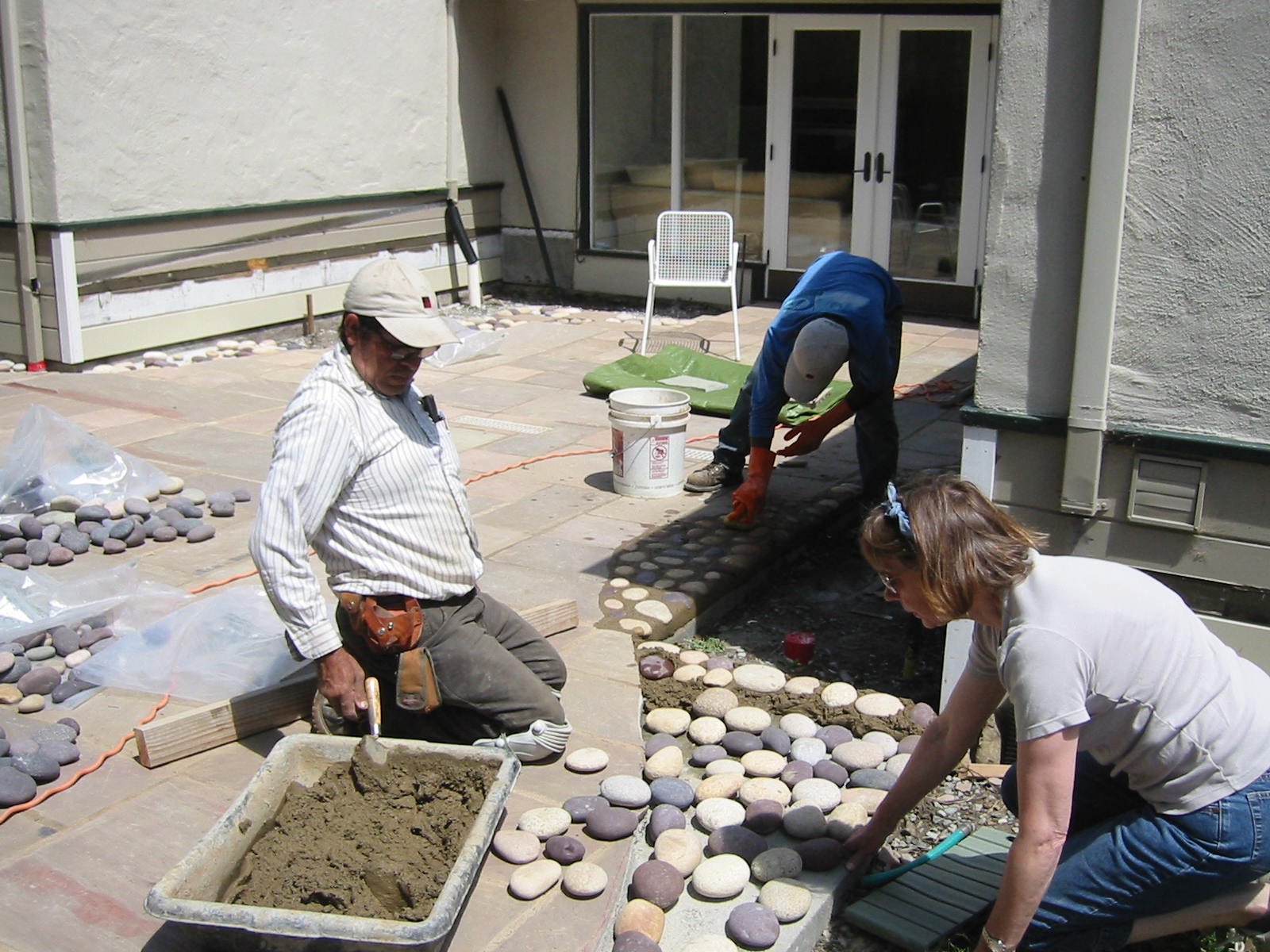
The paver patio set in concrete looked good, although the client never had it sealed.  Sealing is really not necessary with a hard stone, but it does bring out the wonderful colors of the stone.  Here is a photo of some of the detail work we did with her patio.  My client is an artist and fun to work with.  She’s willing to take risks and stretch the boundaries.  She wanted the edges to have a ‘river’ like look.  She personally went and hand picked all the river cobbles as well as placed them herself.

Placing the edging cobbles

River rocks edge patio for an artistic look

cobble edging detail around natural stone seat

And to leave all you readers with a final funny thought:  While driving around nearby Belvedere, the most upscale and expensive neighborhood in Marin County, my son and I saw a police car parked at a prominent corner with a stop sign.  When we looked inside, there was a dummy policeman, complete with a donut and coffee mug on the dash.  I guess the wealthy citizens of Belvedere can’t afford a real policeman to deter criminals.

Belvedere ‘fake’ cop. Dummy with coffee and donut on dashboard

Mystery of the Cache

Several weeks ago I wrote in my post about planting seedling trees that I accidentally dug up a cache of clean red fresh chunks of meat.  I’d noticed a freshly dug area right by a rock and thought it would be easier to plant there.  To my surprise out came about 4 or 5 pieces of meat, about 3″ or 4″ size.

Where the meat was cached by the mystery animal

Koda immediately re-cached them.  Here is a video of him caching a found deer leg out on a hike for reference.

Error
This video doesn’t exist

I wondered who put that meat there.  It smelled quite fresh, although it probably was buried when there had been some snow on the ground.

It snowed a few inches the next day and while walking in the woods by the cabin, I noticed Black Bear tracks.  The bear had walked the trail, circled around the tree at the base of my spring, then walked back the way he came and up the hillside.  Could that bear be the culprit?

I work once a week at the Museum in the Natural History Lab preparing specimens.  I asked my boss, the assistant curator, for his opinion.

“Could it have been a bear or coyote?”

“Coyotes eat everything all up.  They don’t cache.”  he said.  “Maybe a crow or raven.”

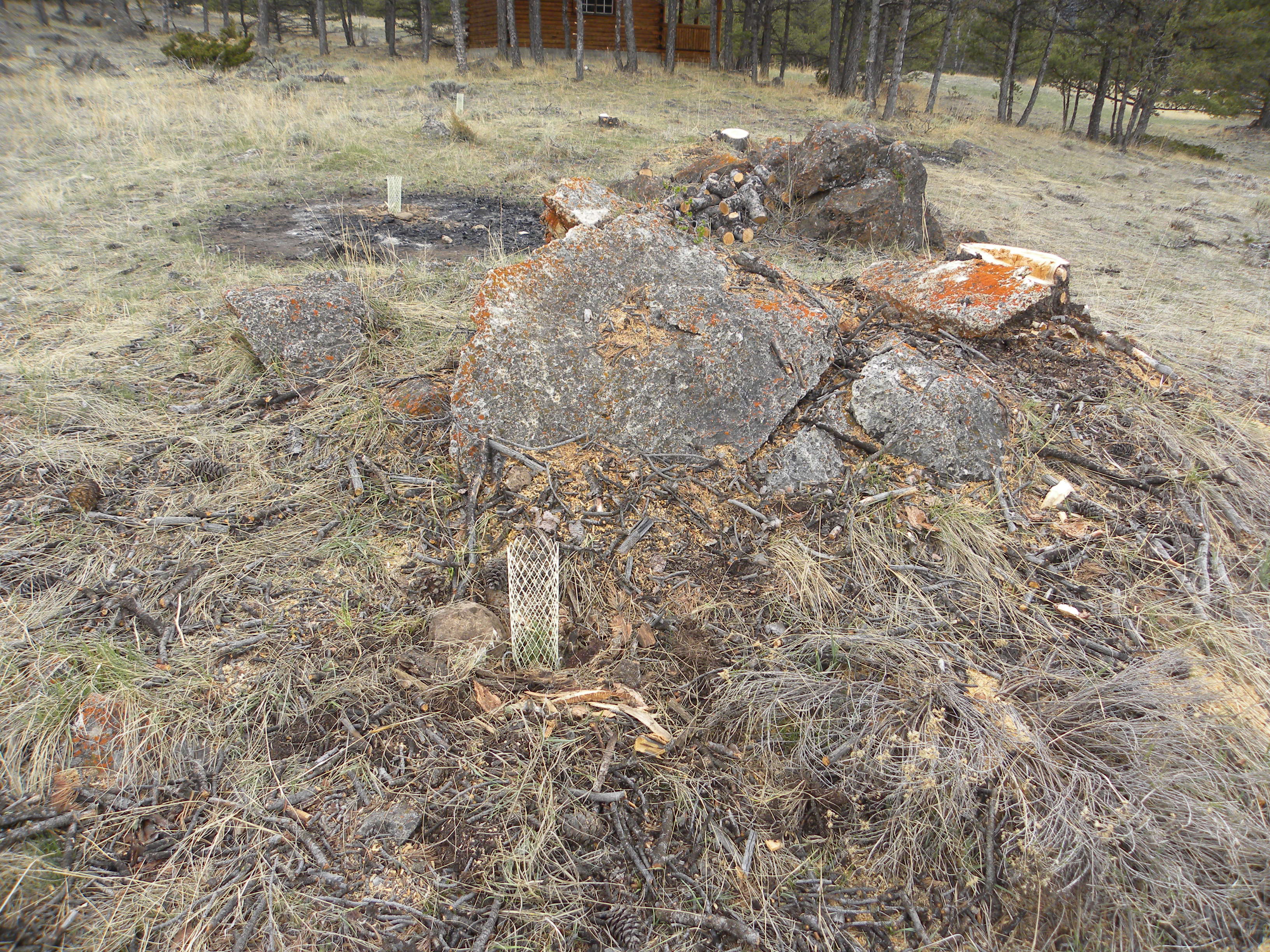
Yesterday I walked to the upper area to check on my seedlings.  We’d had rain and bits of snow so I figured they’d be fine.  All looked good, even putting on new growth.  But then I noticed that seedling in the old cache hole.  The protective cage was scattered, the plant was dug up and pushed aside, the rocks I’d dug up and used for mulch were helter-skelter, and a nice hole was there that had all the markings of a larger animal–kind of like my dog might dig.  Whoever dug that hole was definitely NOT a corvid!

The animal had come back looking for his cache.  I felt badly.  He or she must have been sorely disappointed, a meal gone without.  Koda was all over the place with his nose and although I didn’t see anything, I assumed that animal had left a calling card there to let other animals know this was his place.

I found where Koda had cached the meat, dug up a piece and froze it for later I.D.

Frozen piece of cached meat. Notice hairs.

I went back and asked my boss the question again.

“Well, could’ve been a badger.”

The mystery continues.  I’m going to find out who that animal is.  Any hints, readers?

The Sandhill Crane

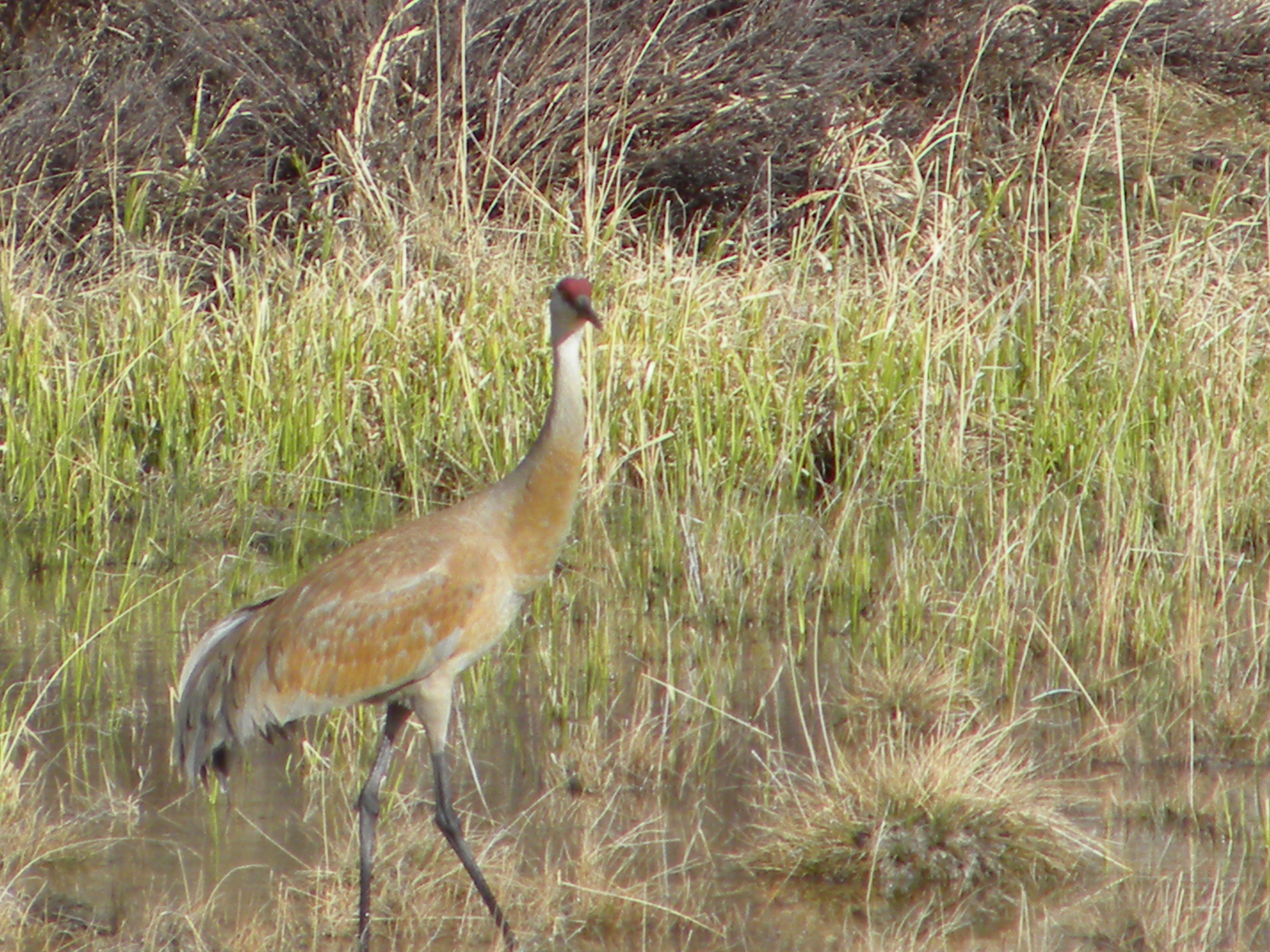
They’ve been back for a while.  They are the heralds of spring.   Their call is distinct, awesome.  They’re beautiful to watch fly or on the ground.  The Sandhill Crane.Here’s a short video I took the other day on the road to Yellowstone.

Error
This video doesn’t exist

Report on the Clark’s Fork elk herd

It snowed about 4″ here last night but I braved the drive into town early in order to hear Arthur Middleton’s talk at the Buffalo Bill Museum.  Arthur is the PhD student that’s in charge of the study on why the Sunlight elk herd has such low calf/cow ratios.  He’s been working up here in the field for 3 years, and now he expects to crunch all the data for another 3.  But his preliminary findings were what he wanted to report today to the public.

First off, I’ve seen his interns up here for the past two years and gotten to know them and Arthur.  I can’t say enough about how focused, diligent and hardworking these students are.  Up at dawn in the dead of winter to observe elk in the freezing cold.  As Arthur put it today, they had 4 behaviors that were noted:  feeding, bedding, vigilant, and running.  That’s about all the elk did, day after day.

Arthur did a great job of presenting all this info to the public in lay person’s terms.  He used slides and began step by step explaining some of the biology necessary to understand the complexity.  Simply put, there are many factors to consider, and I do remember at last years’ good-bye party for the interns listening to Arthur thinking all the factors through.  Here’s my summary of Arthurs’ points and I hope I’m doing justice to it all.

1.  First there are two herds that he studied, one migratory (Sunlight herd migrates here in winter and to the Park in the spring/summer/fall); and one non-migratory which is down north of Cody.  By looking at data from a lot of years ago, the elk have changed their patterns.  There used to be no non-migratory herds around here.  Migration, as Arthur pointed out, is a fairly fixed behavior taught by cow to calf, so it takes many years to make a change.  Arthur explained the advantages of migration, mainly better food quality as the elk follow the new grasses up as the snow melts.  There might be some predation advantages too as the predators den in the spring and stay put for a while as the elk move higher up.

Elk from the trail camera

2. Arthur explained how lactation takes a lot of energy from the mother (as all of us mothers know!).  Basically, non-lactating elk have 50 pounds more fat on them than those that lactate.  While the normal pregnancy rates for elk is 90% (and the NON-migrating herd is at that bar), the Sunlight (migrating) herd is at only about 60%.  The premier finding of this study was that the Sunlight herd cows are only getting pregnant every other year.  By doing that, they save energy vis a vis body fat that helps them through the winter.

3.   Displaying a slide of the rainfall patterns over the last hundred years, and comparing that with satellite data that looks at greening rates (especially in the months of June/July during lactation), we could see that this area has been in a severe drought, as well as compressed warming trends (i.e. shorter winters).  A photo of the high mountain pass between Sunlight and Yellowstone in June showed not as much green as should be expected.

4.  Another interesting find was behavior, what the interns were watching during those months they were here.  The vigilant behavior time was the same for the non-migratory and the migratory.  But where they differed was that the non-migratory herd spent more time bedding while the migratory herd spent more time feeding.  The nutritional quality of the migrators just wasn’t as good.  Factors governing the non-migratory herds were irrigated pastures and intentional low grade fires set to improve grazing in areas where cattle are.  The migratory Sunlight herd goes up through wild and high country where natural fires and rainfall determine feed quality.

More elk

5.  Lastly, looking at predation, Arthur showed a chart from research in Yellowstone pre -wolves on calf predation.  Predation was looked at by bears (main predator of calves), coyotes, cougars, natural causes, and survival rate.    He compared that to a more recent chart that included wolves.  Interestingly enough, wolves were almost about the same as the coyotes in the first slide but the bear predation had increased 3 fold. Lots more bears are in the Park since the 80’s.

This grizzly spent hours upturning Bison paddies for insects underneath

Although Arthur has more data to analyze, it seems obvious that the main factor that is affecting this herds’ decrease in cow/calf ratio is quality of feed.  These elk, smartly enough, are compensating for the nutritional loss by having calves every other year, instead of every year.  Add to that the increased predation on calves by bears in the park, with the new factor of wolves predating at the same rate as coyotes approximately, and you pretty much get your 30% drop.

Bull and cow mating in Yellowstone

One other comment Arthur made was that most of the migratory herds are doing well in Wyoming.  Sunlight as well as one other herd stood out as extremely low on a comparison chart and that was why this study was conducted.  Why this herd suffers more from drought than other herds–you’d have to look at each herd individually.

After the talk I went to the local hairdresser to make an appointment for next week.  As I was waiting at the counter, I noticed a large poster ready to put up, advertising the ‘Wolf Rally’ in Cody on May 22 by hunters, like the one in Jackson several weeks ago.  These guys are blaming wolves for all their woes and want the Wyoming delisting plan enacted which would give the wolf  predator status all over the state (meaning you can shoot on sight).  On the tag line of the poster there was an invitation to ‘Come and learn the science of what’s happening with the wolves and elk’.  Somehow I don’t think so.

Nature is a beautiful complexity that takes much time and pondering to put some of the pieces together that Man can understand.  What I learned from so many of my biology classes is that things are just not as simple as you think.  I watched Arthur over these last several years thinking through so many pieces of this puzzle in a questioning way, trying to piece parts together.   Its much easier to have an emotional opinion, play the game of scapegoat, and rally around a cause.