• MY BOOKS ON WILDLIFE, GARDENING AND MORE

  • The Wild Excellence

  • True stories of wildlife encounters around the Greater Yellowstone
  • Award winning eBook on Decomposed Granite, tips, how to's, what to watch for
  • Children's book. True stories of a dog and wolves. In a dog's voice
  • Written for dry Mediterranean climates in California, north and south

Visits to a Cave

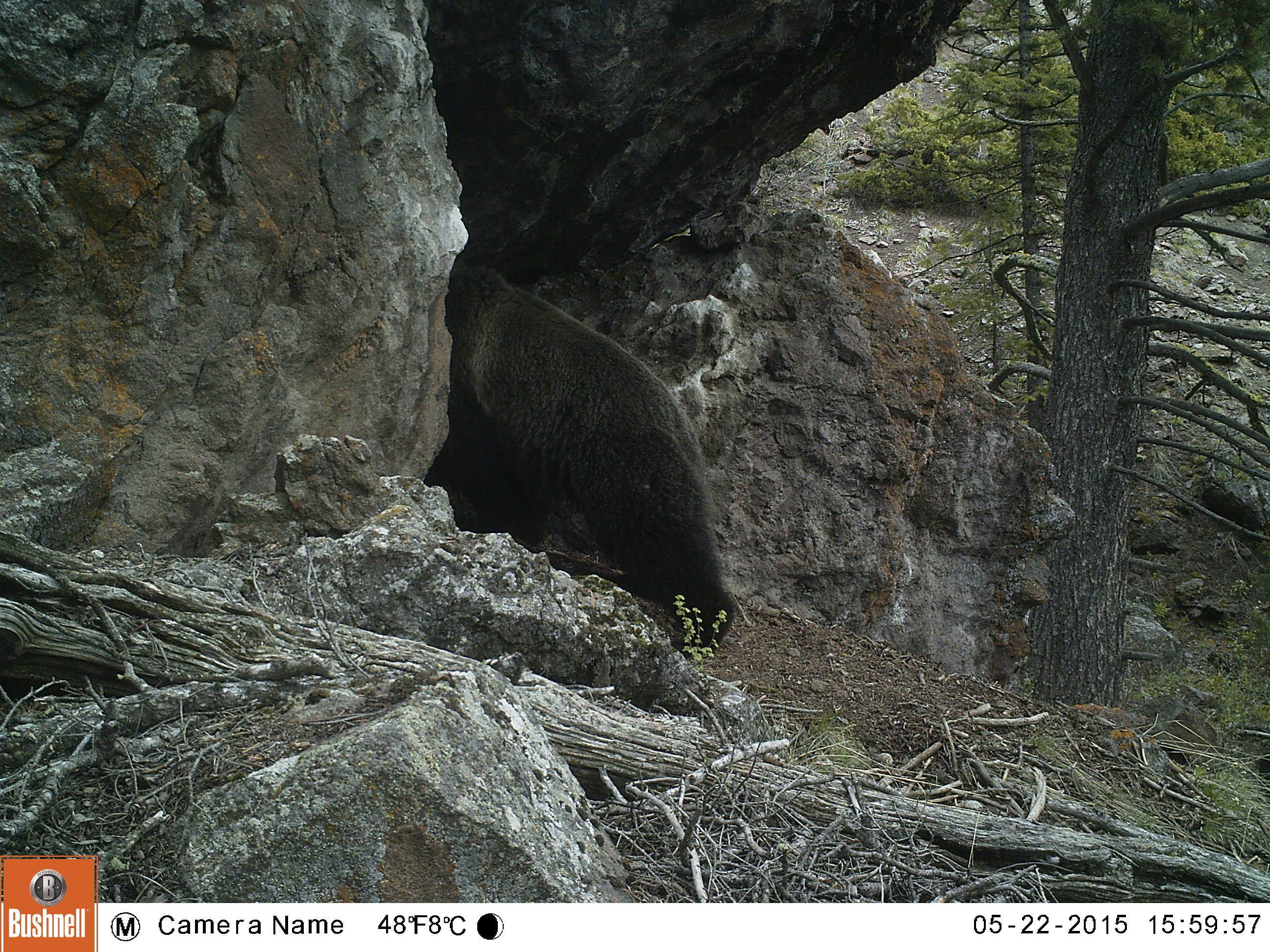
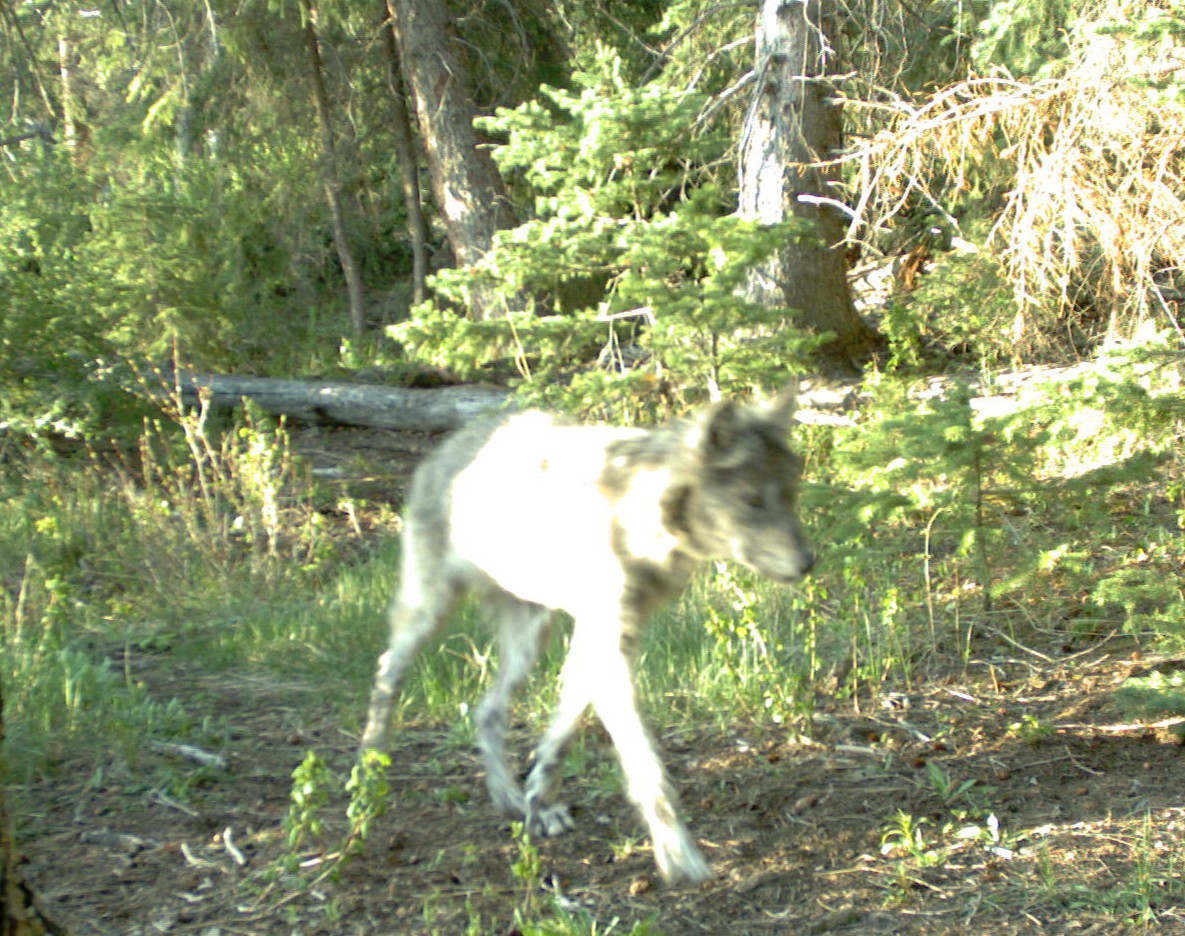
Several years ago I found a natural rock cave.  There was a lot of evidence this cave was used by cougars for many years, probably as a day bed.  The shelter is high up within a steep ravine.  Vertical cliffs complete the backdrop. I’ve always been curious who visits this cave.  So this May I put a trail camera on it.  I plan to leave the camera up through the fall but today I went to check what’s been happening.  Despite having to sift through hundreds of squirrel and packrat photos, the cave smells attracted lots of other visitors.Black Bear

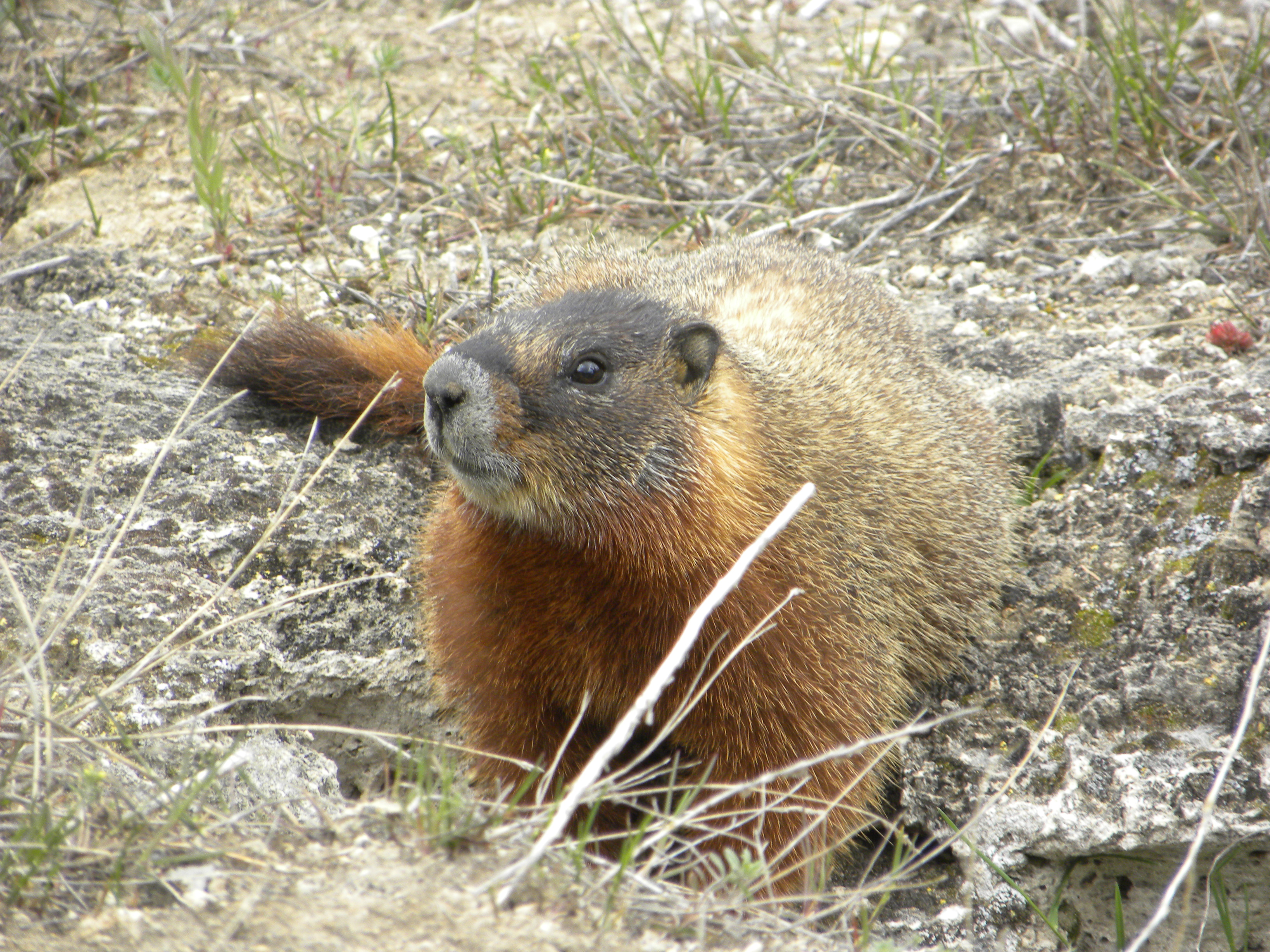
Marmot

Elk

Another cougar

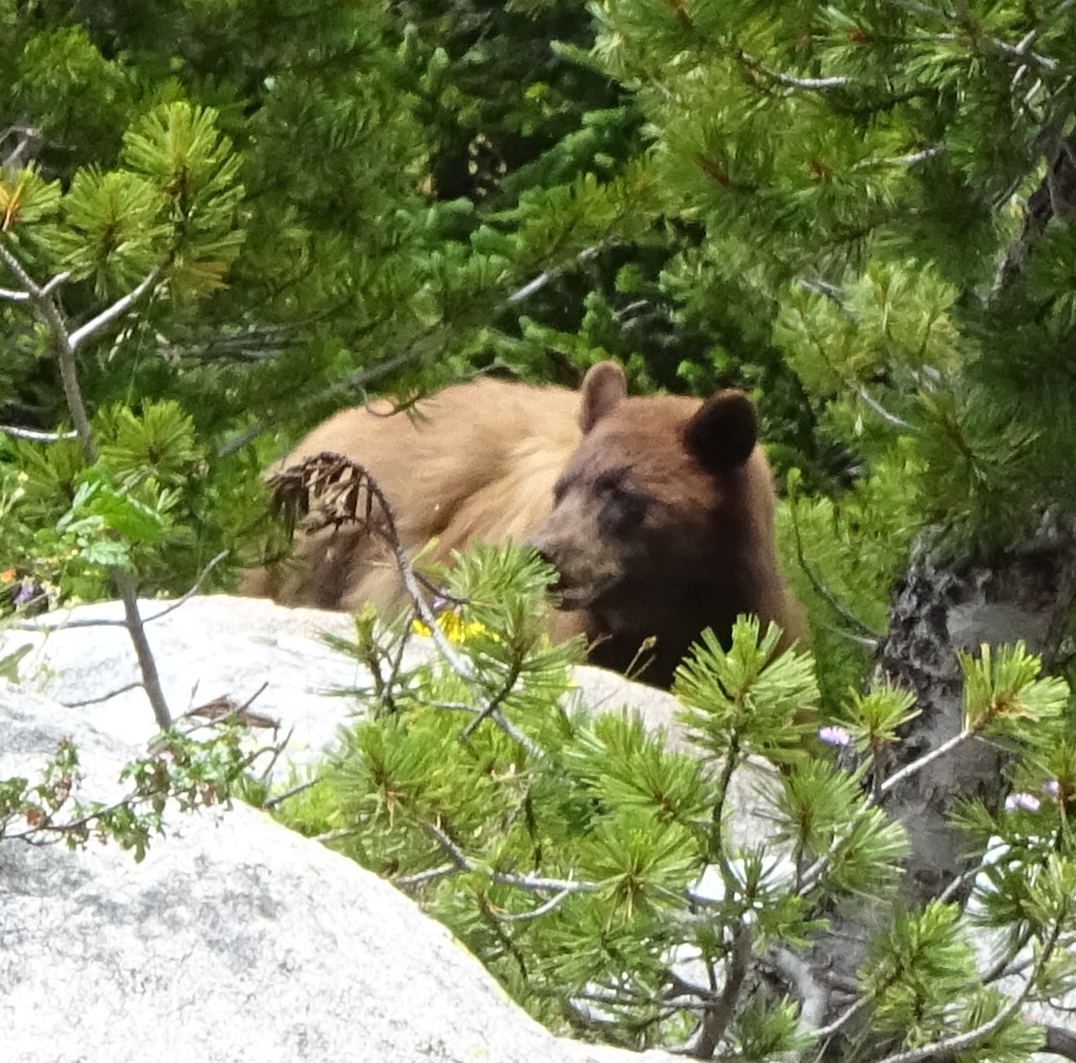
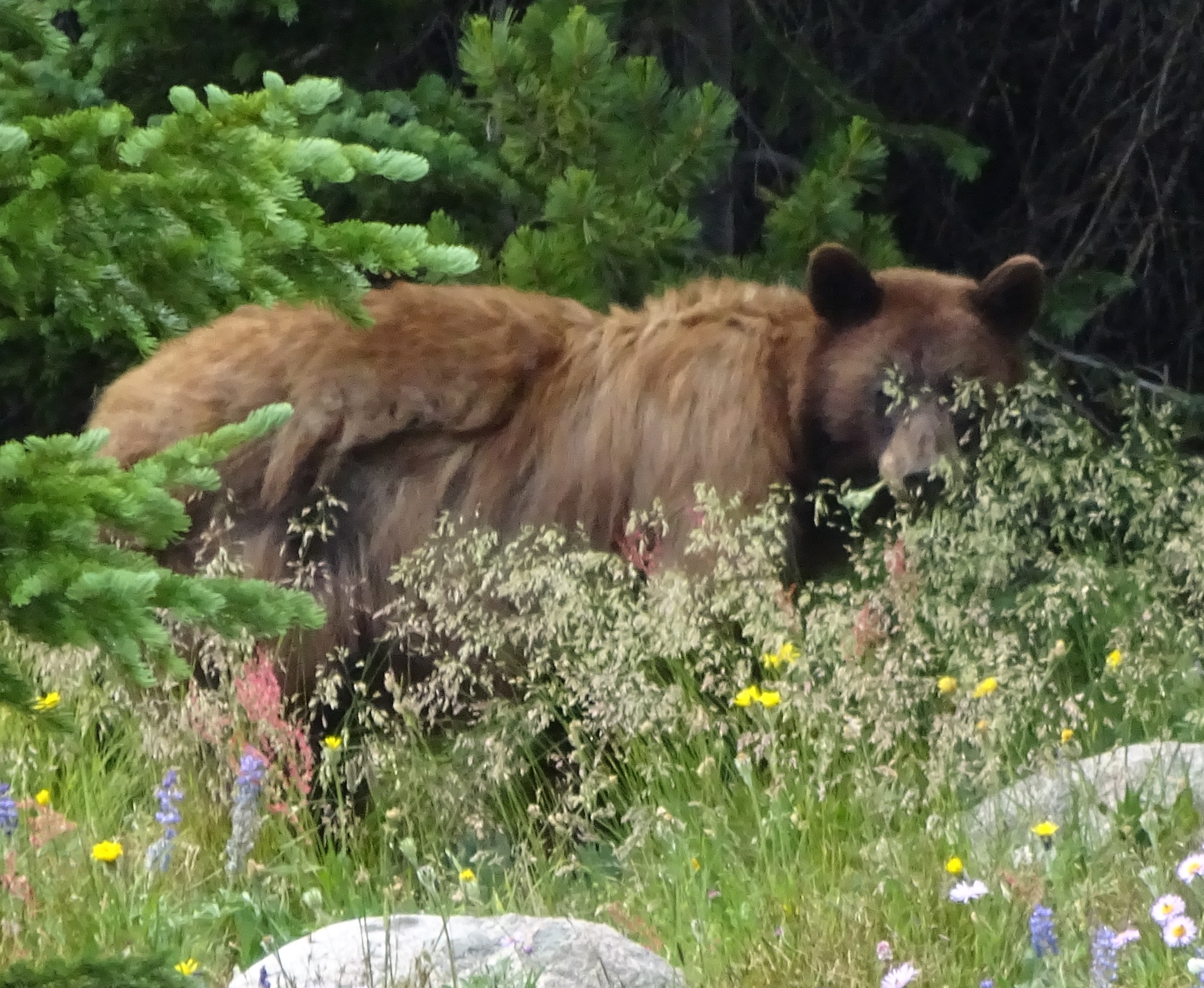
Cinnamon Bear

Cinnamon bear

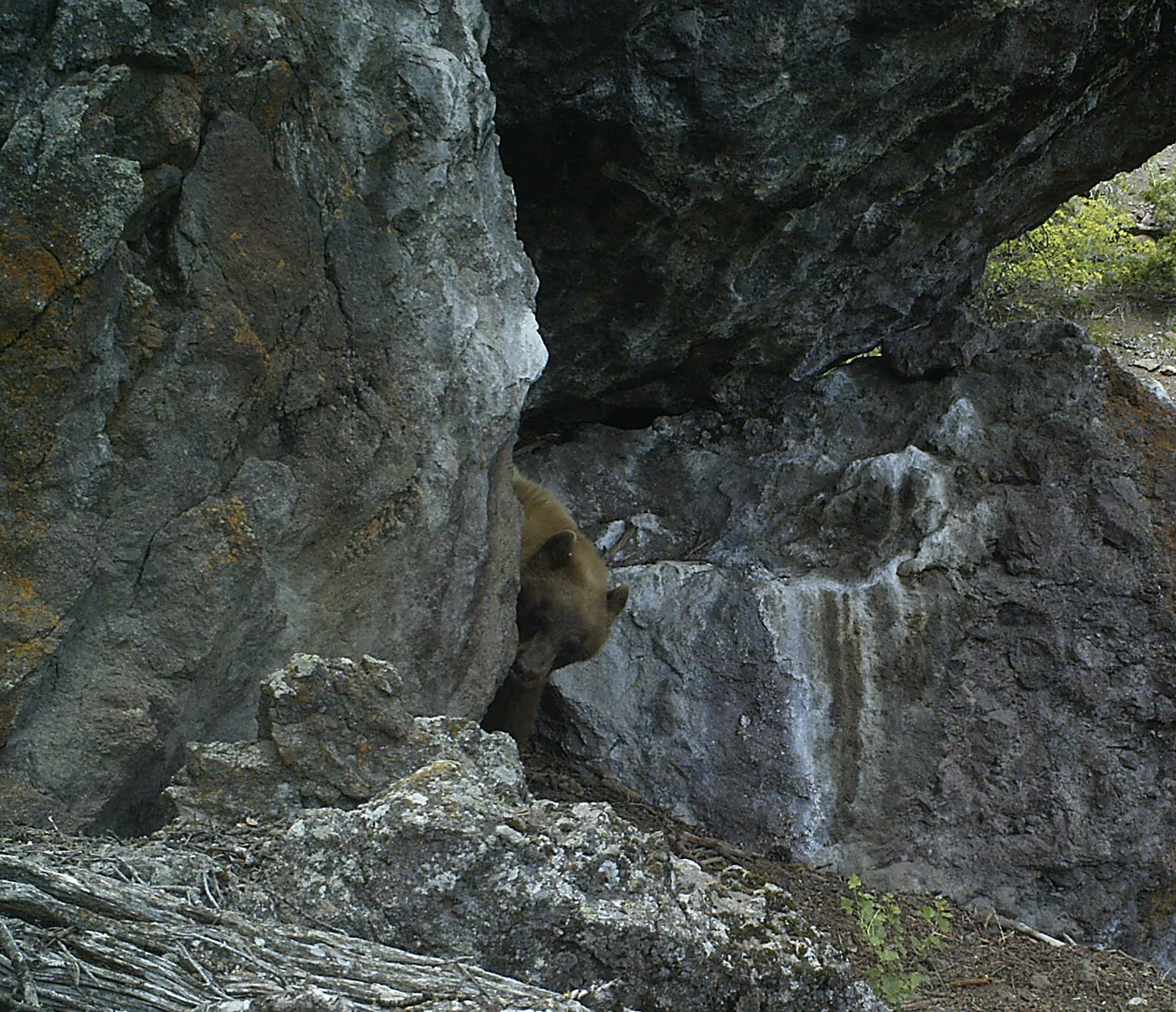
Cinnamon Bear coming out of cave

Cinnamon Bear coming out of cave

Can you find this visitor

Can you find this visitor

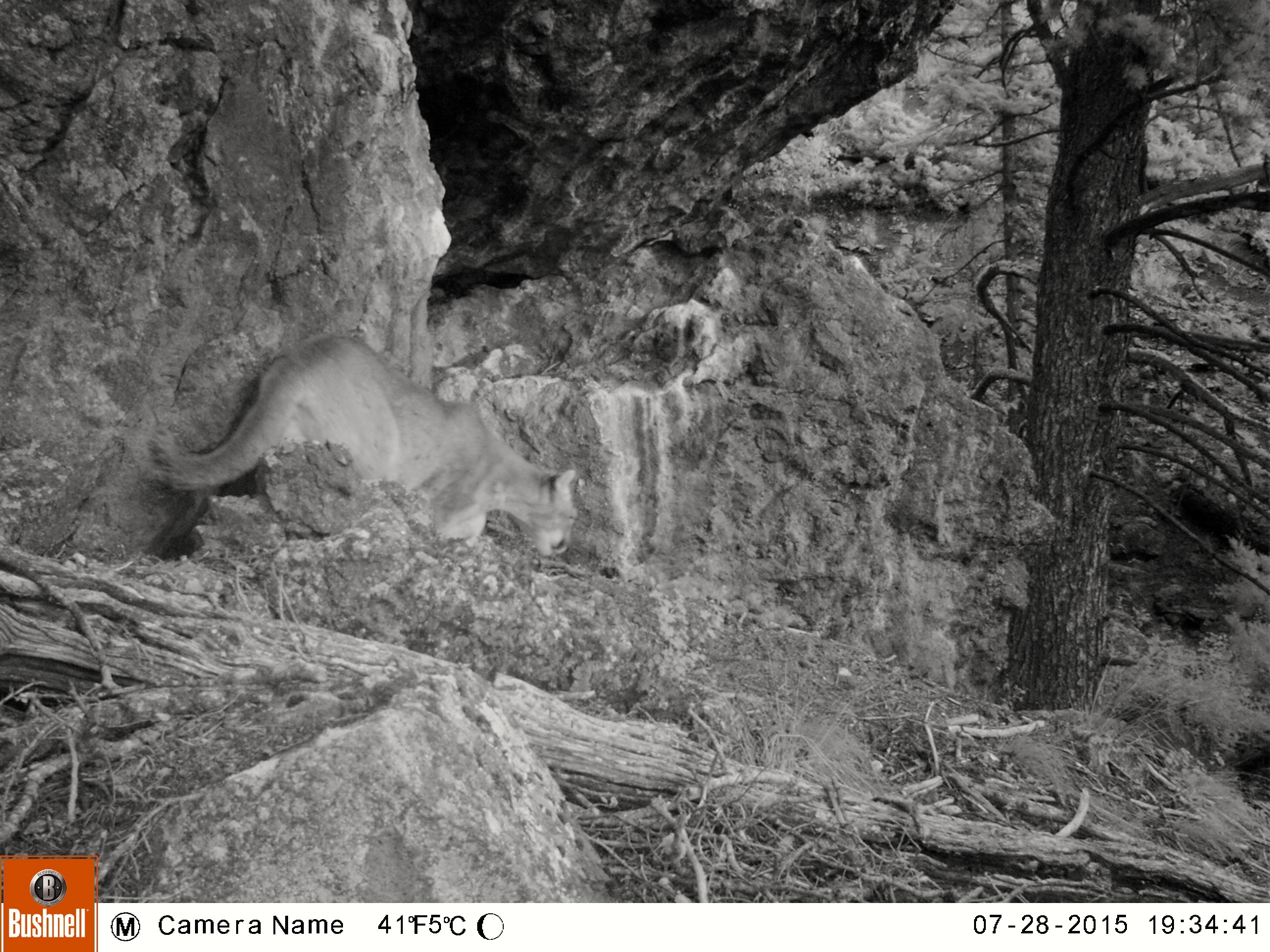
Cougar

Cougar

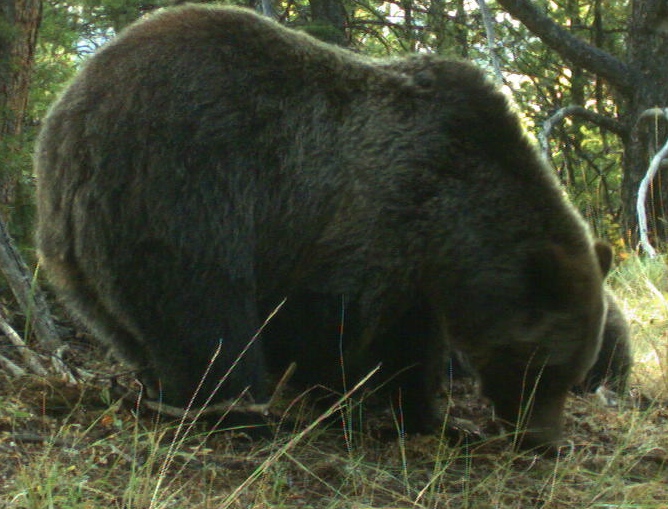
Grizzly Bear

Grizzly Bear

ReWilding the Beartooths

It’s happening.  Grizzlies are re-inhabiting the Beartooth Mountains.

grizzly warning sign in the greater yellowstone area

Grizzly warning sign in the lower elevations. Now bears are returning to the high elevation Beartooths

In the last few years, Grizzly activity has increased along the flanks of the Beartooth Front, the southeastern base that nestles the community of Red Lodge and the long north and eastern drainages where berries and other fall foods are abundant. Red Lodge is now getting its share of grizzly bears. But still there were few reports of bear activity in the high alpine forests.

Certainly bears have used the lower drainages on the west side of the Beartooths like Crazy Creek,  Soda Butte, or Lily Lake.  These are low elevations that provided a corridor through Cooke City into and out of the Park.

Years ago I heard of a sow who lost her young cub in the spring to an automobile.  She bawled for a week around the Clay Butte/Beartooth Lake area, looking for her cub.  Yet although I’ve backpacked frequently, and spend a lot of time in the summers day-hiking the western Wyoming side every year, I’ve never seen any bear sign–tracks or scat.

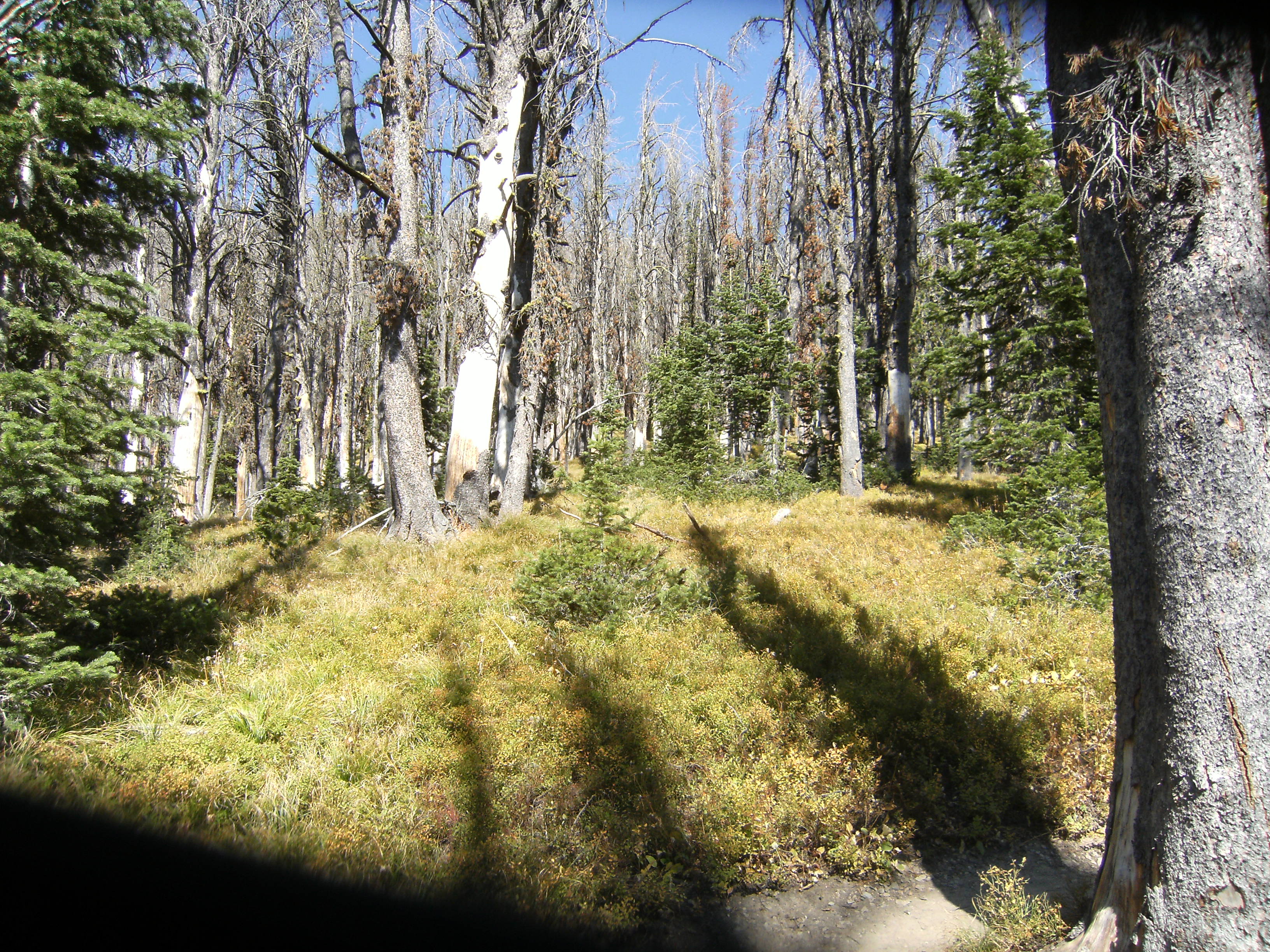
The Beartooths still offer bears great habitat.  The excessive moisture brings a lot of plant food opportunities in the way of grasses, forbs and roots.  And they still have healthy stands of White Bark pines.  White Bark pines in the GYE are 90% dead.

Avalanche Peak, Yellowstone.  Dead whitebark pines

Avalanche Peak, Yellowstone. Dead whitebark pines

The exception to that rule are the Wind River Mountains and the Beartooths.

White Bark pines in the Winds.  Healthy stands

White Bark pines in the Winds. Healthy stands

And those Marmots have traditionally been a favorite protein for bears.

Marmot

Marmot

So when I began my hike today from Hauser Lake down to Stockade Lake, I figured that there were no bears around these parts–especially so high.

Losekamp Lake (around 9600′) sits at the base of Tibbs Butte (10,676′).  Grizzly bear watchers will tell you that these bears mysteriously disappear around the 4th of July.  For years no one knew where they went, until a pilot flying over high talus slopes in the mid-80s saw bears congregating there.  These bears were taking advantage of Army Cutworm moths who feed on alpine plants and summer here.  My understanding is that the Beartooths, although high and abundant in these talus slopes, do not have moth sites, although the Wind Rivers does.

Losekamp and Stockade lakes are rarely visited, being on the less popular southern side of the highway.  I was alone on my walk.  Koda and I made our way down to Stockade Lake, where I tooled around for a bit looking for an elusive Sheep Eater trap I was told was once there.

Stockade at stockade lake

Stockade at stockade lake

Stockade Lake

Stockade Lake, Beartooths, WY

With little wind and mosquitos too thick for a lunch break, we headed back towards Losekamp lake.  Koda a bit ahead, went off the trail about 10′ to smell something behind a boulder.  All of a sudden he growled–a sure sign of an animal he got scared of–and I looked up to see a sleepy bear rise from the boulder.  I quickly called Koda back, and grabbed my bear spray.  We stopped for a moment to access.  The bear, surprised and probably a bit scared himself, immediately began eating, displacing his fear to food.  He seemed sleepy and not about to run away, nor be aggressive.  He pondered us.

Young bear

Young bear

Grizzly bear

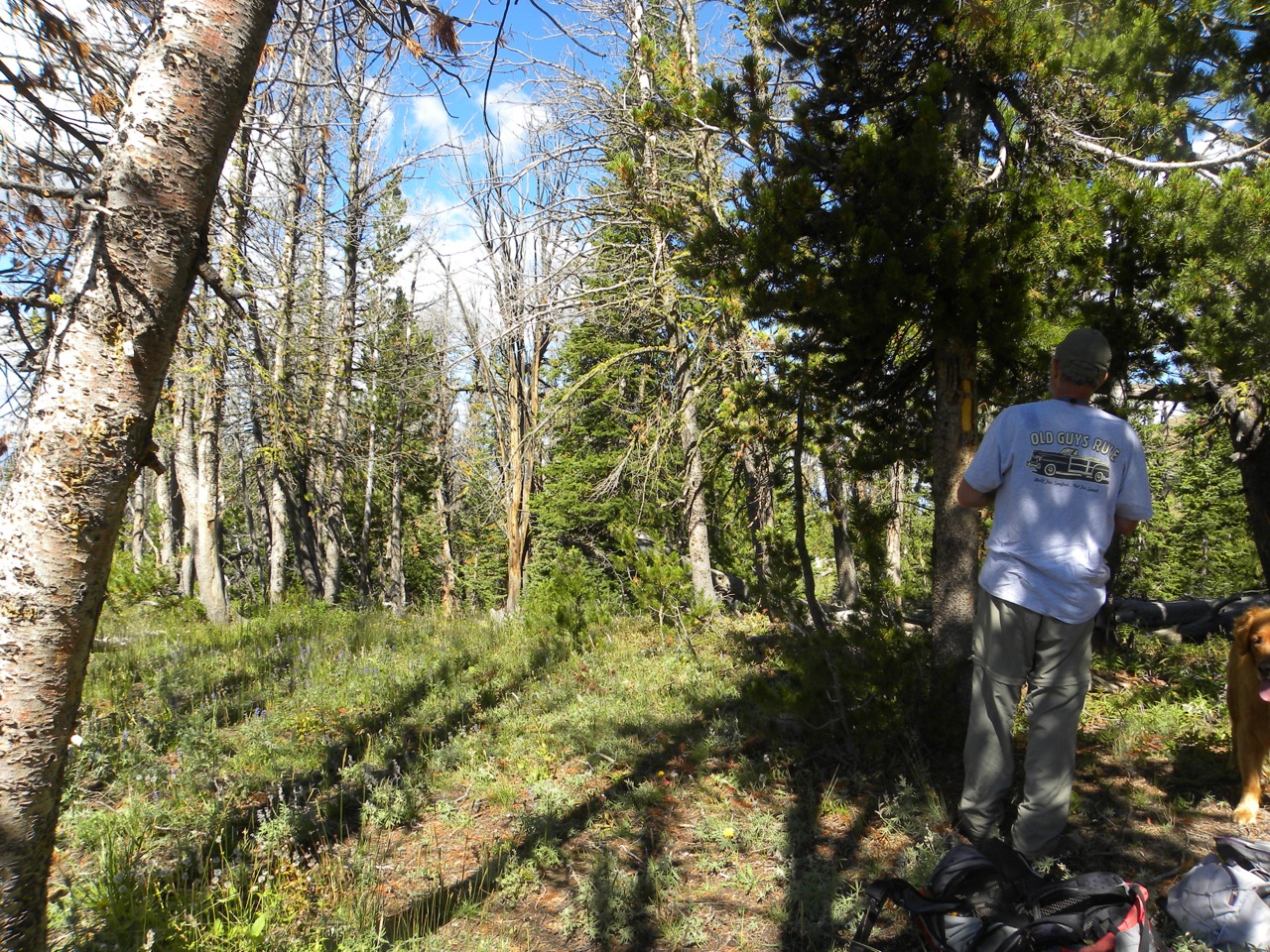
A young grizzly, probably just kicked out this year, I did wonder if his mama was around.  Lucky for us she was no where to be seen.  I gave the bear a big berth, going off and around the trail, while talking to him gently, apologizing for waking him up.

Most grizzly encounters end this way, with the bear usually running off. A few weeks ago around my area, Koda alerted me to a grizzly that was also sleeping by the trail, awakened by our presence.  Koda kept by my side, and the griz, about 200′ away, pondered us for a moment, then ran off.  Dogs will alert you and keep you safe if they are well-mannered and under good voice control.  A dog that runs all over the hills and is not very responsive poses a grave danger for a person, as the dog might bring the bear back to you in his fear, with the grizzly following.   The best book to read for safety with grizzlies is Hiking with Grizzlies by Tim Rubbert, or watch online The Edge of Eden: Living with Grizzlies with Charlie Russell and observe Charlie’s body posture when dealing with bears and using bear spray.  Stay away from those books about Grizzly attacks.  It’s like reading a book about fatal car accidents instead of actually learning how to drive safely.

Robin egg, hatched

Robin egg, hatched

Upon returning to the car at the trailhead, I stopped at the Top of the World Store to deliver some of my Wild Excellence books.  I told Kristi Milam, the owner, about my bear experience and she told me there’s been a lot more sightings this year than ever before.

One other note on the Beartooths:  it’s becoming an excellent place to possibly see, or hear, wolves.  I’ve been seeing tracks of the Beartooth pack around this same area for weeks, as well as Clay Butte and lower elevations like Crazy Creek drainage.  Wolves were spotted up at Top Lake just weeks ago in the meadows. Elephant's head

With Grizzly Bears and wolves returning to the Beartooths, they are finally re-wilding.  Carry bear spray and be safe.

Spring, Grizzly tracking, and What’s up with Delisting

It’s spring and that means the bears are out.  But so is everyone else. Pups are born and need to be feed; elk are calving; birds are nesting. It’s a busy time and a great time to go into the Park.  There you can also see the bison babies.

But here in my valley right next to Yellowstone, all the same activity is taking place, just a tad more hidden.

Coyote relaxing before she goes mousing again

Coyote relaxing before she goes mousing again

Young bull moose

Young bull moose

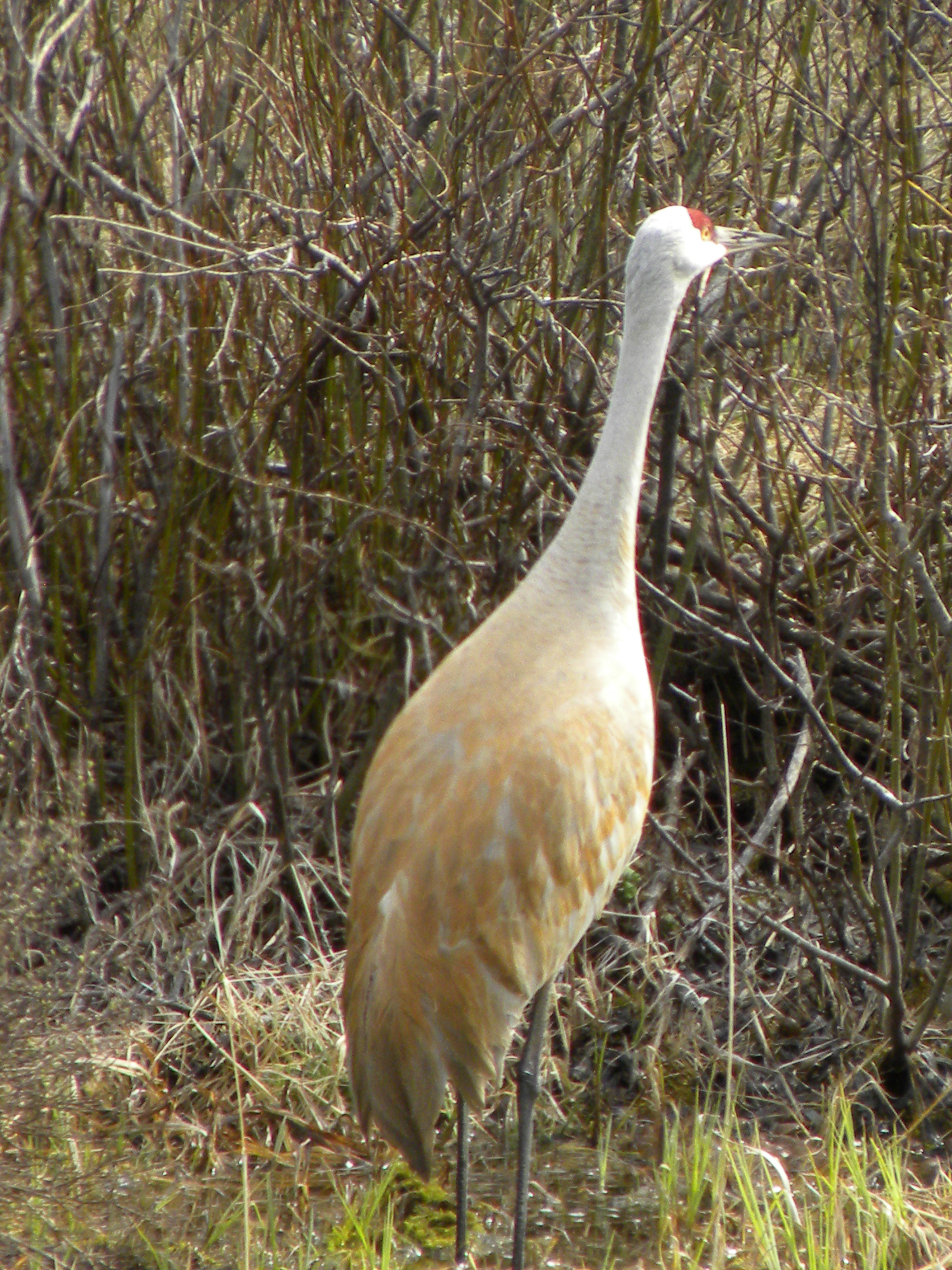
Sandhill Crane

Sandhill Crane

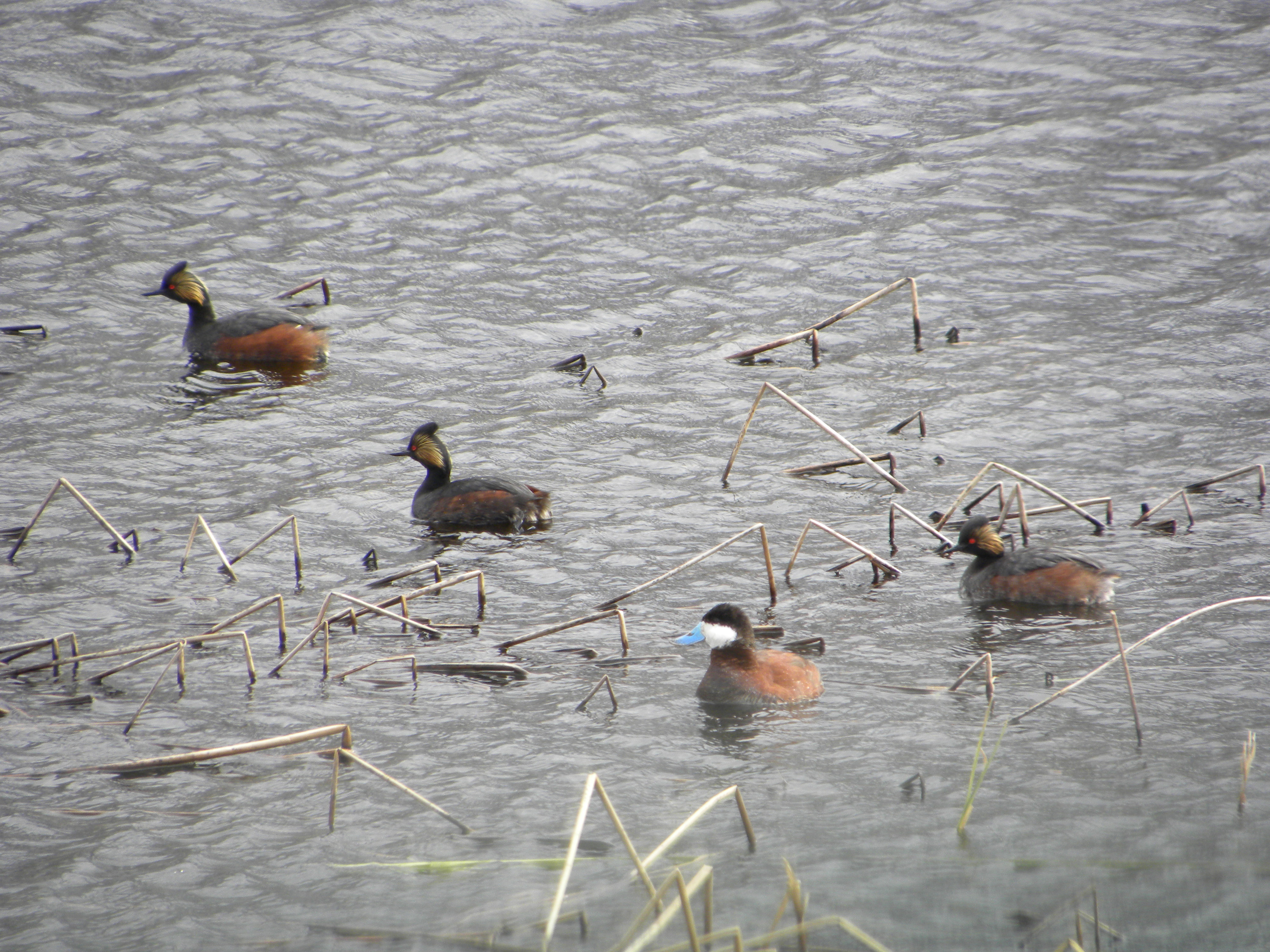
Ruddy Duck with Horned Grebes

Ruddy Duck with Horned Grebes

I live in a ‘drop off’ place for bears that get into trouble.  Bear trouble around here always means trouble that people make for bears like not putting up their food stuff correctly, or not watching their stock so calves or lambs are killed.  The Interagency Bear Management Team drops bears off here hoping they will go into the Park.  Usually they ‘home’ back to where they came from; but because the Agency has been moving them around for so long, all the drainages around here are already occupied by other bears.

The spring is when bears hang around down low as they follow the seasonal warm-up. They spend time eating grass, or, if they can find it, winter kills, and dig for roots. Hiking at this time of year here in the valley it’s inevitable that you will see grizzly tracks and it’s worth knowing what they look like and how to identify them.  For instance, the other day I hiked a drainage and saw what appeared to be a single boar grizzly roaming that area.  Another drainage nearby revealed a sow and a two year old–a combination I definitely needed to be watchful of.  It seems like every hike either you are ‘following’ a bear or maybe the bear is ‘following’ you.  Yet keep in mind that grizzly and black bears are mindful of their own business and are not looking for an encounter with a human.  The best advice is to be alert, awake, aware.  Carry bear spray and know how to use it quickly. Take your time in the woods–no power walking or headphones.  Stop every so often and look around like a deer might.

Bear tracks are easy to identify–they look a lot like human footprints, but bears have their big toe opposite than humans and walk pigeon-toed.  Telling the difference between a grizzly and a black bear takes more practice and is not always a certain thing.  The Palmisciano method is the recommended technique, working only on front tracks.

Jim Halfpenny says if you have a good, clean track, it is very accurate. But he also notes that ‘anyone who says it is always easy has not done much tracking’.

Since I.D.ing that the print is a bear is easy, what takes practice and is much more pertinent is being able to pick out a track when it’s very faint.  With practice, I find that bear prints are so distinguishable that they are probably the easiest to pick out even when hard to see.  Here are a few examples.

Print looks even larger because its in mud, but you can see his claws

Print looks even larger because its in mud, but you can see his claws

This one is easy of course.  The next one isn’t so hard but you could miss it in the puddle.

Bear print in a puddle

Bear print in a puddle

The puddle print is a perfect example of how difficult the Palmisciano method can be, especially with just one print.  The above print appears to be a black bear, but since I was following this bear for about a mile on a dirt track, I had other prints that were much more distinct.  I also know the area is frequented by grizzlies and not blacks.  So the above print, although it appears like a black bear print, is actually the front print of a grizzly.

Below prints are pretty easy too.  Note the back foot is in front of the smaller front foot. That’s a typical gait for a bear called an amble.

Can you see these two bear prints, front and back?

Can you see these two bear prints, front and back?

Now look at this one.  Koda has stepped on part of it and mostly the metatarsal pad is what is strong.  If you look to the top of the photo you can barely make out his left front foot.

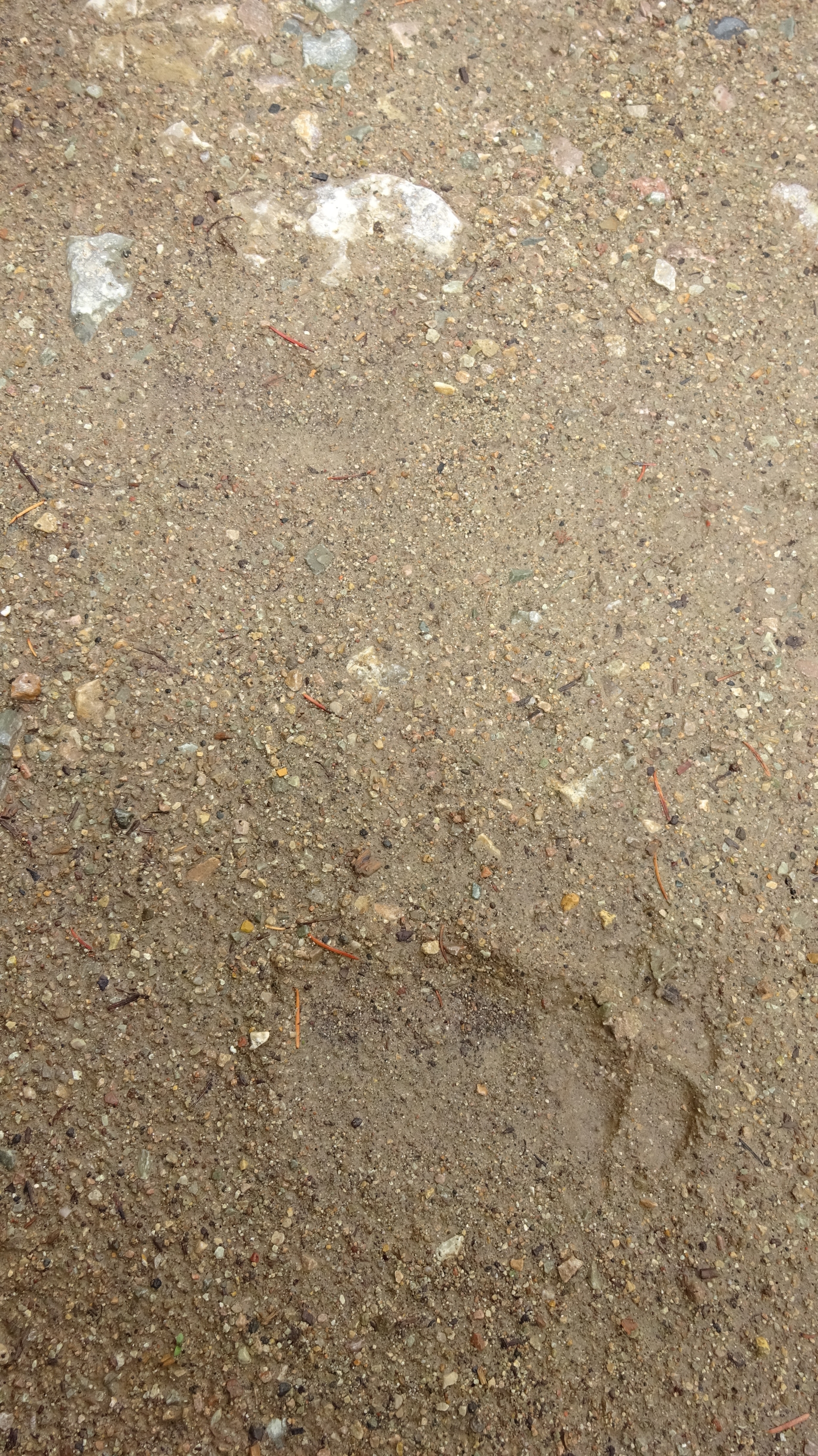
Faint grizzly print

One saying trackers have is that it’s not the track you can see, but the next track that you cannot see that teaches you how to track.  Keeping that in mind, follow a bear’s footprints and measure or use a stick to see the distance between right and left tracks. Soon you will come upon a track that is not visible, but with the stick as a measure you will know where it is.  Study that ‘print’ and soon it jump out at you.  After a while of doing this, you’ll find yourself walking along and then ‘see’ a print that seems invisible to others.  Seeing that print might just keep you safe as it will heighten your awareness and let you know there’s a grizzly in town.

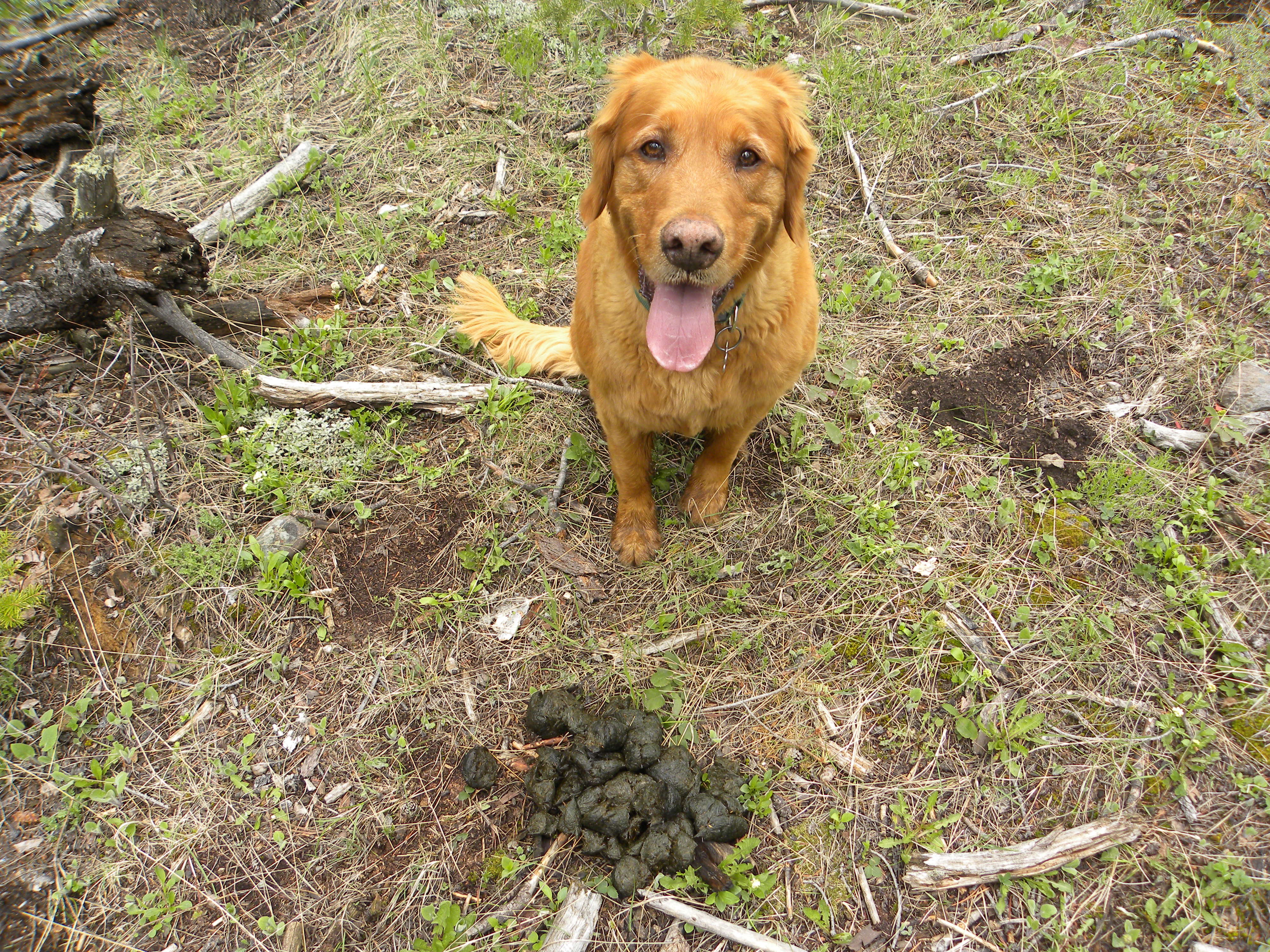
Koda shows the size of this bear scat

Koda shows the size of this bear scat

Grizzlies are ‘on the chopping block’ to be delisted.  The IGBT and Sally Jewell are itching to return their management to the states. Once that happens, they will be hunted.

I disagree with delisting for a wide variety of reasons.  In the Northern Continental Divide Ecosystem (NCDE) which is basically the area around Glacier National Park, there are approximately 750 grizzly bears.  In the Greater Yellowstone Area (GYE) there are about the same.  But the connecting corridors in-between have few to no bears.

NCDE bears can connect for genetic diversity up into Canada.  But how can our bears here, in the GYE, connect?  Studies have shown that without any infusion of new genes, these GYE bears will eventually die out.

When grizzlies were listed back in 1975, there were about 120 bears in the GYE.  It has taken over 40 years to get to this point where we have over 700 bears.  If hunting begins, the ‘easy’ bears, at the edges of the Ecosystem, will be killed.  Those are the bears that would connect north with their cousins.

And more importantly, living with bears and seeing how intelligent they are, I cannot see how we can hunt them.  Like the tribes who are united against delisting, I have come to feel a powerful spirit connection with grizzlies.

Please read my op-ed below that appeared in the Powell Tribune a few weeks ago.  I tell the story of ‘The Woman Who Married a Bear’ and how we are like that woman today.

Patten Guest Column_5.5.15

What is base line?

Driving the road early morning, looking for wildlife, gives me time to ponder questions like–why is it I see grizzly bears during the daytime in Yellowstone National Park vs. where I live just 20 miles east of the Park where they are basically nocturnal?  Bears have not been hunted outside the Park since 1975, and there are plenty of them in my valley.  Yet bears in my wild valley, like all wildlife, avoid the most unpredictable top predator–Man.

Until the hunt began two years ago in Wyoming, I used to see wolves.  In the winter, I’d see them on kills they made near the dirt road.  In the summer hiking in my valley, I had many close encounters with wolves, none of them eliciting fear.  It was obvious they were simply curious.  But since the hunt, they are no longer curious and they are no longer visible.  A good thing if they want to stay alive.

Yearling pup

Yearling pup

Today’s wildlife, and especially predators, are basically nocturnal or crepuscular, feeding, moving, hunting when Man is asleep.  I have to ask:  Has it always been like this?

Reading the journals of Lewis & Clark, they describe seeing herds of bison, wolves, grizzly bears and coyotes in the middle of the day going about their business.

“…we scarcely see a gang of buffaloe without observing a parsel of those faithfull shepherds [wolves] on their skirts in readiness to take care of the mamed & wounded”

Buffalo in Lamar Valley

Beaver, considered today to be nocturnal, were easily seen during the daytime in the early 1800’s.  A buffalo calf, unfamiliar with humans, followed Lewis around.  Game was “very abundant and gentle”.

“Immence quantities of game in every direction around us as we passed up the river, consisting of herds of Buffaloe, Elk, and Antelopes with some deer and woolves.”

According to Lewis’ account, when the presence of Man is minimized, prey and predator dance together, during the daytime.

WInter elk herd at dusk

When we study the nature, movements, and habits, of today’s wildlife, how can we know what is baseline?  What are their natural rhythms?

Coyote

Coyote during the daytime in Yellowstone National Park

Wildlife in the Park are confined to a virtual zoo, yet they have not been hunted for over 100 years [on the other hand, they are still being controlled.  For example, bison are under an agreement to be kept to around 3000 animals.  When they leave the Park in winter, they are killed to reduce their numbers.] Wildlife outside the Park are hunted and so, particularly the vilified predators, are rarely seen, moving among the shadows of the night.

Wildlife that live around cities, such as raccoons, coyotes, foxes–what we might call mesopredators–also avoid humans by wandering the streets when the humans are asleep.

Before 1492, New World numbers were estimated to be around 54 million peoples.  The pre-European native impact on the landscape reflected the cumulative effects of a growing population over the previous 15,000 years or more.  European entry into the New World abruptly reversed this trend. The decline of native American populations was rapid and severe, the biggest genocide ever. Old World diseases were the primary killer.  In the basin of Mexico, for instance, the population dropped from 1.6 million in 1519 to 180,000 in 1607 (89 percent); and in North America from 3.8 million in 1492 to 1 million in 1800 (74 percent).

So when Lewis & Clark came West in 1805, were they seeing wildlife baseline? Or just the result of a diminished native population? North American native peoples had their own rise and fall of civilizations–Cahokia, Ancestral Pueblo Culture, Poverty Point, and many others that were as equally sophisticated as the Aztecs or Mayans.  What were wildlife interactions during those times when many ancient peoples in the Americas lived in cities? Was wildlife again moving nocturnally?  Were they being hunted out?

Poverty Point artists rendition

What is baseline?  What is the natural rhythm for elk, or wolves, or grizzly bears? Today’s wildlife biologists use observation methods unknown in the past–GPS collars, trail cameras, plane flyovers, computer mapping–all very sophisticated.  But the interactions amongst predator-prey species are probably dictated more by human pressures than by each other.

When we postulate new wildlife theories, such as “The Landscape of Fear“,  what exactly are we observing?  Certainly not what Lewis observed in 1803 when wolves, coyotes, elk, deer and bison all traveled together–wolves following on the outside of these large herds.  New theories enlarge The Landscape of Fear to include not only top-down but bottom-up where the bottom has to do with beavers providing the habitat for willows and aspen rather than just elk avoiding drainages.  And scientists acknowledge that baseline is a moving target.

And so the answers to these questions will always be uncertain.  One thing I can easily observe–wildlife is more afraid of Man than they are of any other predator.  That, I believe, is an unfortunate thing.  Writer Mary Beck says in her book Seven Half-Miles from Home:

This one species has contrived to make himself feared and hated by most other creatures.  Since this fact is rubbed into my consciousness day after day by many creatures with whom I would be friends, I grow sensitive and ashamed of being one of such feared and hated beings.


The Wild Excellence. What it means and why I wrote it

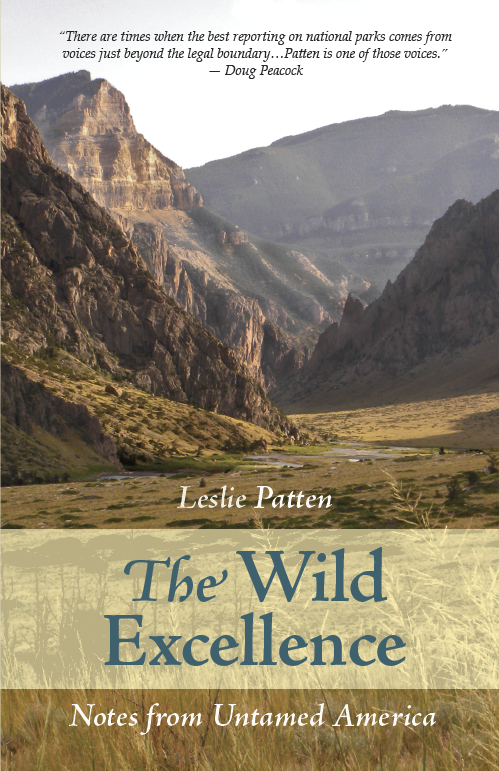
I thought now was a good time to do a post on my new book The Wild Excellence: Notes from Untamed America. The book has just been released in stores and online.  Kindle version is now available on AmazonThe Wild Excellence front cover lrg

The Wild Excellence title comes from a line in a Pablo Neruda poem, one of the last he wrote as an old man.

Without doubt I praise the wild excellence

That line, in a nutshell, describes my relationship to the fullness of the natural world.

When I moved from the Bay Area to the Absaroka mountains east of Yellowstone National Park, I found myself in the wildest country in the lower 48 and one of the last, whole intact ecosystems in the entire temperate world.

Doug Smith, Wolf Biologist for Yellowstone National Park says “country without wolves isn’t really good country. It’s incomplete. It doesn’t have its full spirit.” Over time that wild spirit of lands with grizzlies, wolf packs, large elk herds, wolverines, and cougars instilled in me a new perspective of our natural world and my place in it.

Grizzly mom with two cubs of the year near my house

Grizzly mom with two cubs of the year near my house

I’ve always been interested in Land so I began hiking to ancient Shoshone Sheep Eater sites, settler remains, learning fencing work and water development, but foremost learning how to be in tune with the wildlife here. Because of my proximity to the Park, wolf and elk studies were being conducted in the valley where I live and I had the opportunity to assist as a citizen scientist. ‘Bad’ grizzlies were dropped off at the end of my dirt road with the hopes they’d go into the Park.  Sometimes they ‘homed’ back to where they came from, yet other times they came to the nearby woods to dig for grubs or eat chokecherries.

Two adult cougars travel together

Two adult cougars travel together

With time, I became aware that a parallel internal process was taking place.  This wild landscape, with its full suite of wildlife, was having a healing effect on me.  And that healing seemed dependent on its expansive, untouched space and the play of predators and prey so abundant here.  That healing illuminated for me the sacredness of wildlands and their necessity for the human spirit.

Middle Fork Lake...the Divide

Middle Fork Lake…the Divide

My book, The Wild Excellence, is a description of many journeys–the science and the sacred, and what moves the Heart to want to protect all that is fragile and wonderful.  It is my sincere hope that this communication will inspire others to experience the mystery and wonder of wild places, and work with their vote and their voice to protect them. They are the last and fragile remnants of what Lewis and Clark saw over 200 years ago.
For updated information on The Wild Excellence  visit my facebook page

Narrating from the borderlands of Yellowstone National Park, Leslie Patten brings us vivid accounts of wolves, grizzlies, the seasonality of ecosystems and tales of prehistoric Indians–all written with a naturalist’s eye and woven in a personal network of modern day homesteading, dogs and community. There are times when the best reporting on national parks comes from voices just beyond the legal boundary, close enough for a passionate attachment to the beauty of the land but sufficiently distant for critical appraisal of governmental management. Leslie Patten is one of those voices.

— Doug Peacock, Author of Grizzly Years, In the Shadow of the Sabertooth and other books.

CONTENTS

Introduction

Chapter 1 A Dog and a Lesson 

Chapter 2 First Days 

Chapter 3 The Peoples Before 

Chapter 4 Close Encounters of the Wolf Kind 

Chapter 5 A Most Magnificent Animal 

Chapter 6 Woods, Water, and Wildlife 

Chapter 7 Bear Dreamer 

Chapter 8 Sagebrush Stories 

Chapter 9 Medicine Dog 

Chapter 10 Sacred Land Ethic 

Epilogue 

wolf

More about Grizzly Bears! Grizzlies, the PCA, and the Wind River White Bark Pines

What is the PCA?  If you care about grizzlies, then this knowledge is important.

The PCA stands for Primary Conservation Area and is a designated area within the Greater Yellowstone Ecosystem with special rules to protect and insure that the grizzly bear population will thrive into the future.  This area has special rules regarding activities that would disturb bears, such as excessive roads, ATV’s, numbers of elk hunters, etc.  The aim is to ensure genetic diversity and keep a minimum of 500 bears.  This area was first outlined during the bear’s period of recovery.  The PCA rules will still apply even after grizzly bears are delisted, which will probably come in 2015.

Primary Conservation Area in Blue. Suitable habitat for bears in Red.


Now look at the above image.  The actual designated PCA is in blue.  The suitable habitat is in red.  Notice there is an ‘Italy-shaped’ leg in the lower right that is not in the PCA but is suitable habitat.  The majority of this is the Wind River range.  See there is a main highway between Riverton and Jackson that cuts right through a small section of the PCA.  In order for bears to inhabit the Winds, they have to cross this highway, and the main corridor into the Wind River range from the north side (Gros Ventre/Upper Hoback area) of the highway to the south is through the Upper Green River Valley.  Per Wyoming Game & Fish own conservation guidelines:

Based on current road densities, presence of domestic sheep and current levels of conflict with livestock, the upper Green River area on Forest could also be considered unsuitable for grizzly bear occupancy. However, important biological issues make the Upper Green River area very important in ensuring CS (Conservation Strategies) population and distribution objectives will be met long-term.The Upper Green River area is presently occupied by grizzly bears and is important contiguous habitat that links the bear population between the Gros Ventre/Upper Hoback area, Upper Wind River Range, and core bear habitat north of this area.

So why am I talking about this?  Because it is rare, and I mean rare, for a bear to get through the Green River corridor without getting into trouble with livestock.  That valley is saturated with sheep and cattle allotments (these are on public forest service lands with some 7500 sheep and 22,500 cattle in a 323 square mile area).  Bears are moved, or removed lethally.  Recently the ‘take’ quota for grizzly bears was just raised in that area and even more important, the limit for female grizzlies kills was eliminated there.  Therefore, it is difficult for a bear to get pass through this bottleneck corridor into the Wind River habitat. Yet the Winds provide excellent, essentially uninhabited habitat.

Another red flag for the Winds and bears is that the southern portion of the range is excluded from conservation strategies because of several factors.  First because there are still very active sheep allotments there (these are sheep allotments on Wilderness).  Also because of heavy backpacker summer use. But I am here to tell you that the best and healthiest white bark pines are in the southern portion of the Wind Rivers.

I’ve been backpacking the Winds every year for over 15 years.  I’ve seen many of the northern and central Wind River White Bark Pines face a heavy toll from the beetles.  Not as heavy as the rest of the Greater Yellowstone Ecosystem, where White Bark Pines could be considered to be functionally dead.  Reading my previous post, you’ll note that even the Interagency Grizzly Bear Study Team admits their own transects are 75% dead.  But it appears that even in the worst portions of the Winds, its more like 40-50%; while my recent trip to the Shadow Lake area of the Southern Winds, I’d estimate the mortality at around 20-30%.

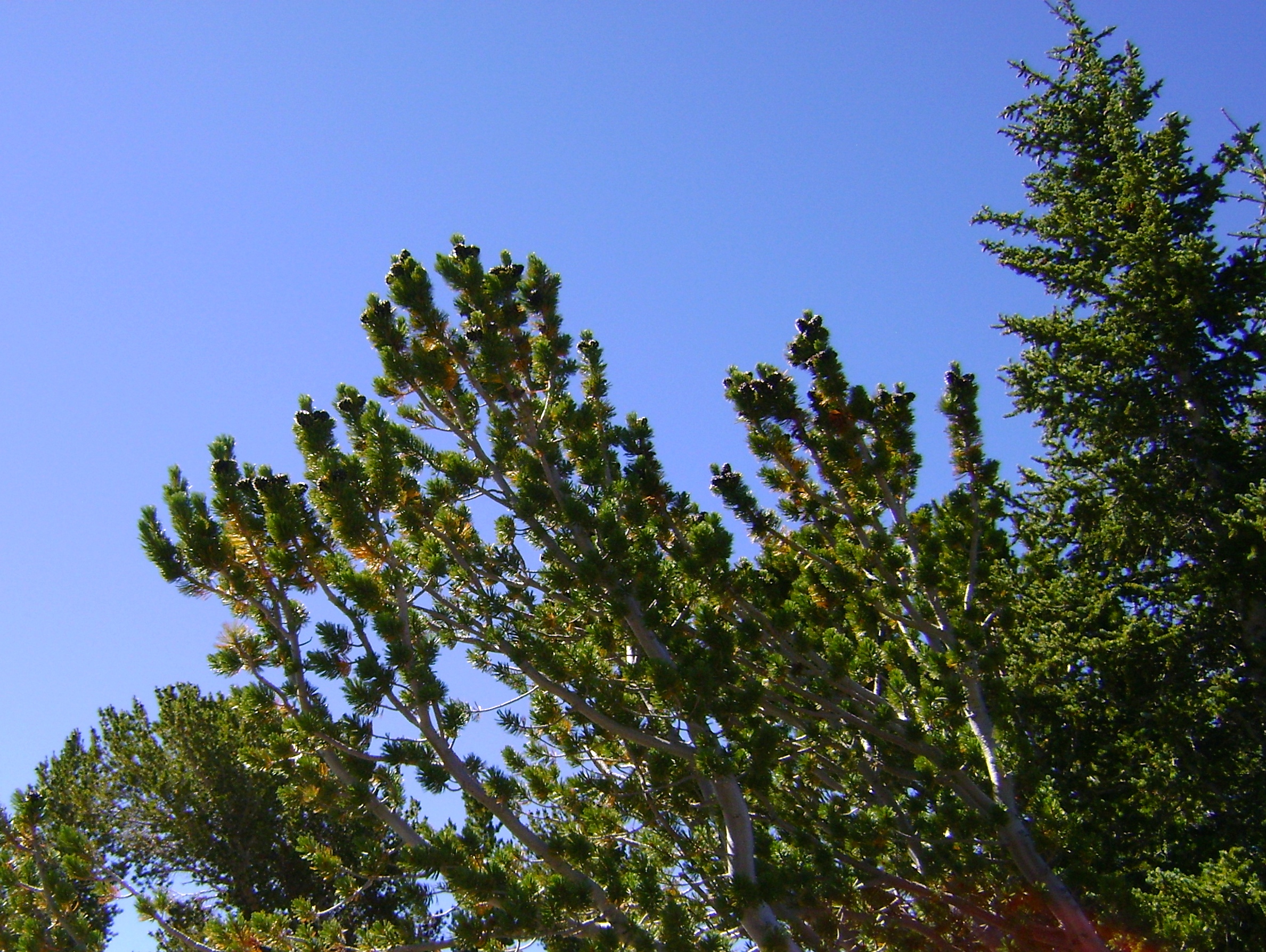
Notice the tops of the tree.  Cones are produced on the new growth.

Notice the tops of the tree. Cones are produced on the new growth.  Tree is full of cones!  See how healthy these pines look.  This is the pass near Washakie creek.  Notice the dead trees in the background.  This is a good visual estimate for your reference of dead vs. live percentage.

And while the Interagency Grizzly Bear Study Team noted that this years cone production was ‘good’ at 20 cones per tree, my estimate in the Washakie Creek environs was more like 70-100+ cones per tree!  Yet, not one grizzly bear will be able to reach this area!

Another pine full of cones

Another pine full of cones

Although the Interagency Grizzly Bear Study Team completed their legally required study on the grizzly bear diet last year, they  stated that while white bark pines will not last in the Greater Yellowstone, bears will find other foods.  I feel this statement makes assumptions that cannot be known.  Rocky Mountain grizzlies are not like Alaskan bears that eat salmon with high protein and fat. Our bears depend on limited sources of fall fattening foods–essentially moths and pine nuts.  If we want to ensure the bear’s survival, we should be opening up all the ‘suitable habitat’ in the GYE.

Avalanche Peak, Yellowstone.  Dead whitebark pines

Avalanche Peak, Yellowstone. Dead white bark pines make up this dead forest

Corridors like the Upper Green, full of livestock on public lands, need tighter livestock rules, not dead bears. These are not private land ranchers, but ranchers using public lands at very low rates.   Rules like running cowboys with cattle, removing sheep or at least penning them at night with guard dogs, need to be set down by the Forest Service.  And public lands ranch-at-your-own-risk should be another.   And even cattlemen do this in other circumstances.  Cattle are run over on highways regularly.  Cattlemen who run herds on open range factor these losses into their bottom line.  They just figure they’ll lose a certain amount to cars every year and so don’t bother moving their herds.  In my area, they don’t even turn on the electric fences that the forest service provides them.  So why don’t they factor in predation by bears on these same lands?

One other thing that irked me in their conservation strategies comments was that because of high use of summer backpackers in the southern Winds, the area is unsuitable for bears.  Just like the rest of the PCA, backpackers and hikers need to learn to hike and live with bears.  The southern winds are particularly heavy use because of the Cirque of the Towers, an awesome array of granite peaks that attracts climbers from all over the world.  People have to adapt and begin to carry bear spray and learn to share the area.  Bears are quite good at avoiding people, using corridors at night, bedding in hidden places during the day.  Grizzlies in the winds will heighten hikers awareness–a good thing.

Yellowstone grizzly

Yellowstone grizzly

Hiking in this fabulous bear country, seeing all those wonderful nuts, yet observing no bear sign, contained a certain sadness for me.  In my own area next to Yellowstone Park, 90% of the white bark pines are dead and bears are roaming around looking for food. Here I was surrounded by their prime fall food going to waste due to inept human management.

I like to remember what Native Americans called Grizzlies–‘humans without fire‘.  Let’s treat them with that kind of respect.


More about Bears, Pine Nuts and Delisting

The Clark’s Nutcrackers are starting to hang around, making a ruckus with their characteristic nasal loud call.  They’re waiting for the Limber Pine cones to ripen.  The cones are still green; maybe a few more weeks.  But they’re anxious to begin their ancient fall ritual of collecting and storing seeds–tens of thousands each year–and incredibly they remember these locations.  The seeds that aren’t retrieved might just grow into young pines.

A Forest Service botanist gave me two hints when planting Limber Pine seedlings:

1.  Put two or three seedlings in one hole to imitate how a Nutcracker might have stored those seeds and

2.  Collect some soil from around a mature Limber Pine and place it in the planting hole.  That soil has the correct mycorrhiza (fungi) that is symbiotic with the pines.

I’ve been inspecting the cone production this year and although it seemed better than last year’s very low production, it appears not to be a boon year.  Many trees have no cones.  Others just a few.  I’d judge that around my home the production is going to be medium-low.

I was curious what the Whitebark production is this year.  Sometimes the Limber mirrors the Whitebark, other times it’s a good substitute.  In a hike up Windy Mountain yesterday, our last remaining live stands of Whitebark are up there.  There are lots of dead trees and a few young trees, but there are still some standing mature live trees.Grizzly cub

Whitebarks and Limber Pines cone at the top growth only.  Trees that are in the open will produce more cones.  Windy mountain has a fairly tight forest with upright trees.  Looking at the potential 2014 cone production, I estimated about the same amount as my Limbers. That got me wondering what the official report for 2014 of the Interagency Grizzly Bear Study Team is from the transects they use.

The IGBST is reporting a medium high cone production for 2014.  They define a ‘good’ production of average of 20 cones per tree, vs. 5 cones per tree last year. But here is the catch.  Total mortality on their transects (read ‘dead trees’ from beetles specifically) since 2002 is 75%.    So there are 3/4 less trees from which to obtain food, even if there is good production on those remaining trees.

At least 75% of this Whitebark forest is dead; in other places on Windy it is more like 90%

At least 75% of this Whitebark forest is dead; in other places on Windy it is more like 90%

The IGBST did the Whitebark Pine study required by a judge before delisting.  They concluded that the bears will find other foods in the ecosystem and so can be delisted.  The states are pushing for that delisting status in order to begin a hunt, for which they can charge high dollars for a grizzly bear tag.

Recently I was at a landowners’ meeting where a county commissioner gave a short talk. He mentioned he was on the grizzly bear committee, representing Park County.  This man is no scientist.  He is a politician first and foremost; and he said to this group of landowners that the study ‘proved’ the bear is doing fine without Whitebark pine nuts.  Don’t believe it.  He was simply chanting the line that politicians and state managers have been saying for years in order to delist.griz

I firmly disagree with delisting the Grizzly.  The bear has been dependent on these nuts for making ‘brown fat’ for hibernation.  Without this nut you can be sure to see the Greater Yellowstone Grizzly wandering into the bottomlands where more people live, eating foods like Russian Olive nuts that grow in the drainages, or even livestock.

There are several reasons why I am NOT for delisting the Grizzly:

1.  Grizzly bears are highly intelligent animals, at least as smart as the Great Apes, which puts them on par with humans.

2.  Bears primary food sources–pine nuts and cutthroat trout–are compromised

3.  Climate Change is a big unknown for food for these large carnivores.  Moths that the bears rely on are also a fragile food given pesticides loads in the prairie states.

and one of the most important reasons:

4.  Bears confined to the GYE do not, at this point, have adequate corridors for genetic diversity and may over time die out.   The IGBST delisting plan calls for flying in bears to the ecosystem if and when genetic diversity is compromised.  I’ll say that again  “FLYING IN BEARS”!

To compensate for reduced primary foods, as well as provide a buffer for climate change and provide genetic diversity, bears need to be able to move in and out of the GYE. Yellowstone to Yukon (Y2Y) targets this need.  Presently there are large bear unoccupied areas of this natural corridor; swaths of public and private lands that were formerly bear territory (Central Idaho Complex is an unoccupied example).

It took over 30 years to bring the GYE grizzly numbers up to about 650 bears, from less than 200.  If delisting, and hunting, returns, it won’t be long before those numbers begin to decline again.

Grizzly bears are not just critical to the ecosystem.  They provide something critical to man–the power of the Present moment.  There is nothing more wonderful than that ‘alive’ feeling of walking through woods where grizzly bears at present.  The grizzly bears gift to man is the Power of the Present.  Let us honor that.

This tree has a blaze and to the left a bear left its own blaze

This tree has a blaze and to the left a bear left its own blaze

What the Lamar Valley has to offer in May

A cloudy, snowy, cold Mother’s Day.  I like to head into the park on Mother’s Day and try to see babies.  I’m so close to the Lamar Valley, just one hour to the Buffalo Ranch, that I usually don’t get much further, and don’t need too.  All photos below are from today.

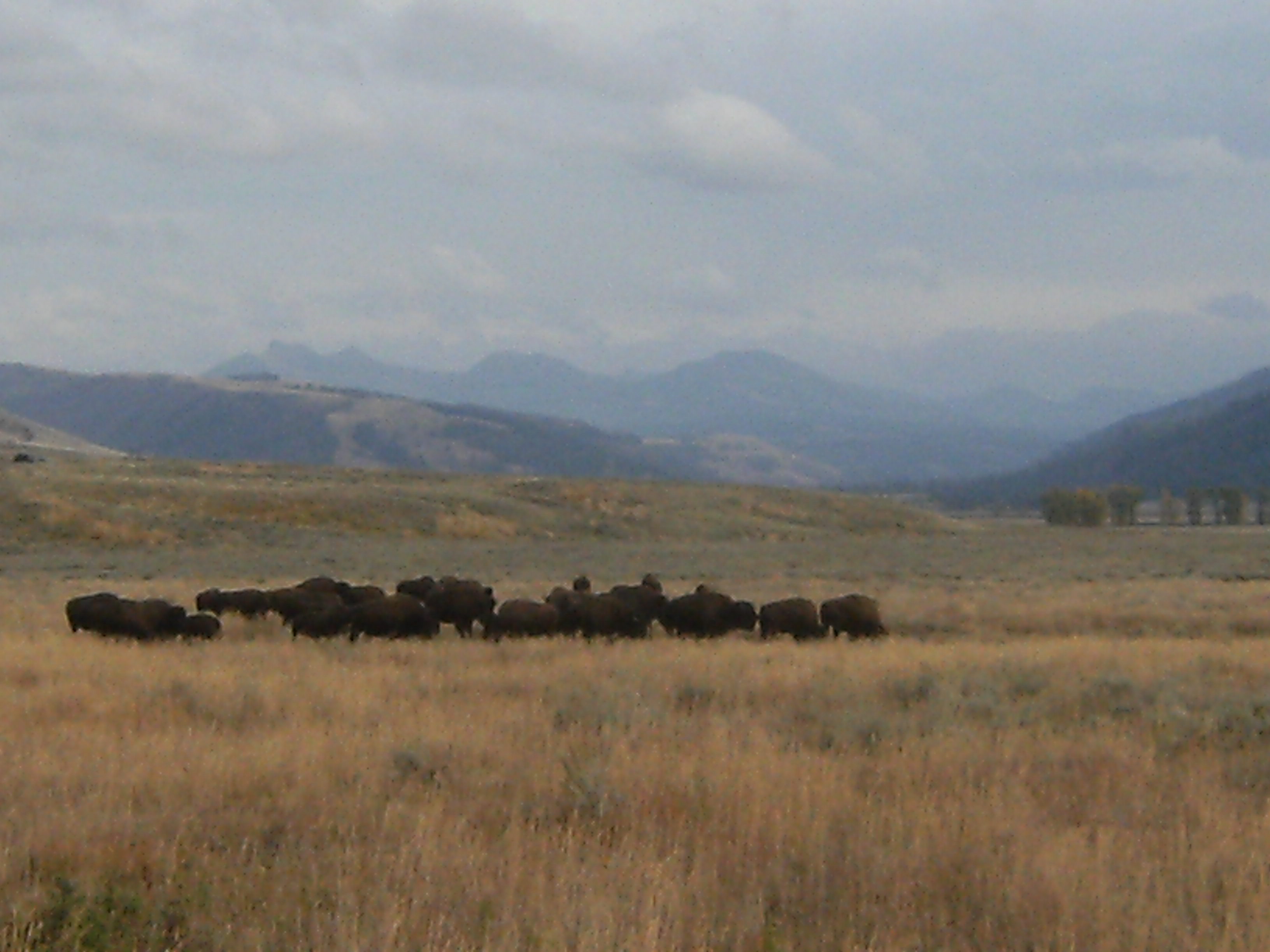
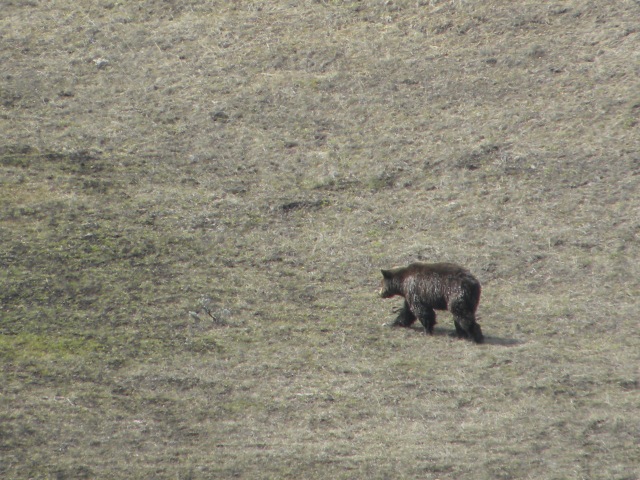
A few Mother’s Days ago there was so much activity in the valley–wolves on wolves competing with bears, coyotes and bison babies, you-name-it.  Today was a different Mother’s Day.  The Lamar activity has calmed down in general.  With few wolves, there is just less activity.  But spring is always an excellent time to see bears and today was no exception.

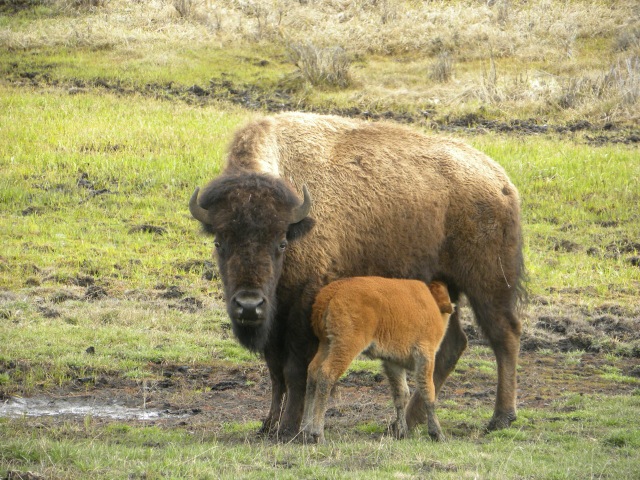
I saw a total of 5 grizzlies in the Lamar–a mom with 2 yearlings, and two boars. Grizzly The boars had a brief face off for a few tense moments, but the bigger one just went his way.  Bighorn sheep rams stood by the roadside; a coyote was on a bison calf carcass, and the bison babies and moms were all along the road.  I watched a wonderful scene of a young frisky bison calf jump around, then come back and nuzzle his mom.  The mom and him butted and rubbed their heads, then he was off romping again.Bison and nursing calf

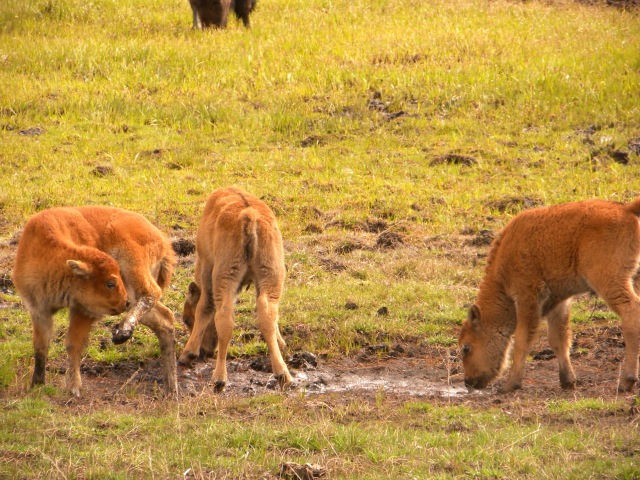
What strikes a person traveling through the Park is how many people LOVE to visit this area, and some many times a year.  I spoke with a fellow who travels here at least 4 times a year from Rhode Island.  He comes in winter to Jackson to photograph elk on the refuge.  Then he returns for the antler auction, trying to match up his photos with a matched set of antlers (75% goes to the Refuge, 25% to the local boy scout troop who do the collecting of the antlers).  He comes other times just for wildlife watching.  Many of the people I spoke with come out every May, staying outside the Park at the gateway communities.  Some people come from as far away as England.  Some have even bought second homes here.  And what are people looking for when they come–they all want to watch predators!  “I want to see a bear” one person told me.  They’d like to see wolves, bears, foxes.  It’s easy to see elk, bison, and antelope.  But predators are exciting for people to watch.Bison babies

And the predator that is now obviously ‘missing’ in the Lamar viewing experience is the wolf.  Although there is a pair there who have pups, two grown wolves are hard to spot, as compared to over a dozen in the pack just a few years ago.

From where I sit in my valley, the wolf hunt has hit the Lamar hard as these wolves travel back and forth in the winter time following the migratory Lamar elk herd outside the Park.  The Wyoming Game and Fish has proposed an increase in the 2014 wolf hunt numbers.  Most areas would have an increased quota–my area 2 would be increased from 4 last year to 5 this fall.  In 2013 5 wolves were killed, one above the quota.  There is a confirmed pack of 6 wolves here.  Why is the quota most of the adult pack?

Please take a look at this sane proposal below from Brushback Guide Services.  They propose Tourist and Science zones next to the Park with either 1. no harvests, depredation only or 2. extremely low quotas with a buffer of 10-15 miles around the Park, thereby tightening the areas or 3. very limited shortened seasons in these special zones.

This proposal would protect the tourist economy as well as balance with those who want to hunt wolves.  A continued increase in the wolf hunt will only have continuous impacts on the Park and the wolf population and pack structures in the Greater Yellowstone area.

Wolves, and all predators, should be appreciated for their necessary impacts on ecosystems.  They are needed in the ‘web’.  They manage the meso-predators, they foster healthy landscapes, they provide food for other large predators such as bears, and for thousands of years ungulates have been evolutionarily healthier because of their presence.  Ram

Yet the reality today is economics and dollars drive the argument and the management policies.  So here is what Brushback Guide Services proposes that I think works.  Proposal #1 is what I prefer:

Proposal 1- Science & Tourism Units

Units that are important to wildlife viewing would be considered “Science & Tourism Units” to allow scientists a chance to keep ongoing wolf studies without having so many wolves taken mid-life before their full potential data is reached. The other purpose for these units is tourism. Tour companies can show people wolves in areas where they are not hunted better than areas where they are hunted. These units have good road systems for tourism and border national parks for ongoing studies. Scientifically, these units allow us to know how to manage wolves in areas where they do get hunted because we know how it should be when they are not hunted or very limited hunting is allowed.

Proposal: Science & Tourism Units- Unit 2, 6, 8, & 9
Depredation only OR extremely low quotas of 1 or 2 wolves
Depredation only is preferred in “Science & Tourism Units”.

Proposal 2- Cut Units In Half Along Park Borders

Give units bordering the national parks an approximate 15-20 mile “wolf hunt free zone”. Delegate these by nearest large landmark such as creeks. For example: Creek No Name is 15 miles from east side of Grand Teton National Park border, hunters can hunt the east side, but not the west side of No Name Creek. Another option would be to START the hunt unit 15-20 miles away from the park designated by large, easy to use and not mistake landmarks/roads.

Proposal: Start wolf hunt units 15-20 miles from park border
Keep original quotas as Game & Fish has designated
Park wolves will be less affected helping science and tourism.
Depredation still in place.

Proposal 3- Keep The Current Plan/Units, Lower Quotas & Shorter Season

I’m going to focus again on national park border units. This approach gives “Science & Tourism” people a chance to have a better experience by showing and recording wolves. This will also allow hunters a chance to hunt units away from the national park keeping hunters happy. Quotas that would have less impact to us would look like this:

Unit 1- 3 Wolves October 1- December 31st

Unit 2- 2 Wolves November 1st – November 30th (Science & Tourism Unit)

Unit 3- 7 Wolves October 1st- December 31st

Unit 4- 4 Wolves October 1st- December 31st

Unit 5- 6 Wolves October 1st- December 31st

Unit 6- 2 Wolves November 1st – November 30th (Science & Tourism Unit)

Unit 7- 1 Wolf October 1st- December 31st

Unit 8- Depredation Only (Science & Tourism Unit)

Unit 9- Depredation Only (Science & Tourism Unit)

Unit 10- 3 wolves October 1st- December 31st

Unit 11- 2 Wolves October 1st- December 31st

Unit 12- 1 Wolf October 15th- December 31st


Please get your comments into Wyoming Game and Fish regarding the proposed hunt by May 30th.  

Bears and wolves

They usually go together–bears and wolves that is.  They’ve adapted and lived with each other for thousands of years; more than we’ve been around.  So it was no surprise when I saw some fairly fresh wolf tracks and then saw a nice looking grizzly bear scouting around for food before his winter slumber.

Wolf Print

Wolf Print; Quarter for size at left

Symphoricarpos berries

They say this year’s White Bark Pine crop is down which drives grizzlies elevationally lower looking for food.  Those lower elevations are where we, people that is, like to live.  White Bark Pines grow around 9000 feet or higher.  Their seeds, collected by squirrels and placed in middens, are robbed by bears and provide a lot of fat and nutrition, concentrated in a small seed.  Bears are physiologically driven in the fall to put on weight for their long sleep, during which time they do not eat, drink, urinate or defecate till spring.

I went out yesterday in pursuit of a Sorbus bush to dig up–Mountain Ash. They provide good berry food for critters and I want some in my yard. Although I found no Sorbus, I did find a lot of bear scat, so I knew there was a bear in the neighborhood.  Besides a lot of grass and rose hip seeds in the scat, what surprised me were Snowberries (Symphoricarpos albus).  I’d always read that snowberries (named as such because they are pure white and usually white berries are poisonous) were poisonous and not edible.  On the other hand, in general, 80% of a bear’s diet can be eaten by humans, except grass which we can’t digest.  What I’d been finding in Grizzly and Black Bear scat is A LOT of snowberries, and they looked fairly intact, as if they went through whole and didn’t provide much of anything nutritionally.

Grizzly bear

Grizzly bear

Snowberries are a member of the Honeysuckle family, along with another familiar berry–Elderberries. Their berries contain saponins which is widely found in plants and is a glucoside poison:  it destroys the membranes of red blood cells and releases the hemoglobin. Fortunately, saponin is not easily absorbed by the digestive system, and most of what we eat passes straight through the body.  So plants like beans, spinach, and tomatoes that contain saponin are rendered harmless to us.  Saponins stimulate the digestion and clean out the intestine.  They facilitate the body’s use of certain substances like calcium and silicon.  And they forth or whip up into a white foam that can be used as a soap.  They also can be used (illegally though) as a fish poison because fish assimilate saponin into the blood stream directly through their gills, but won’t harm the fisherman who eats them. Plant books say snowberries are poisonous, causing vomiting and diarrhea.  Yet here are some Native American uses:

Common snowberry fruit was eaten fresh but was not favored by Native Americans in Washington and Oregon. The fruits were also dried for winter use. Common snowberry was used on hair as soap, and the fruits and leaves mashed and applied to cuts or skin sores as a poultice and to soothe sore, runny eyes. Tea from the bark was used as a remedy for tuberculosis and sexually transmitted diseases. A brew made from the entire plant was used as a physic tonic. Arrowshafts and pipestems were made from the stems

And one more thing:  Snowberries make a great garden plant addition.

Yellowstone in June

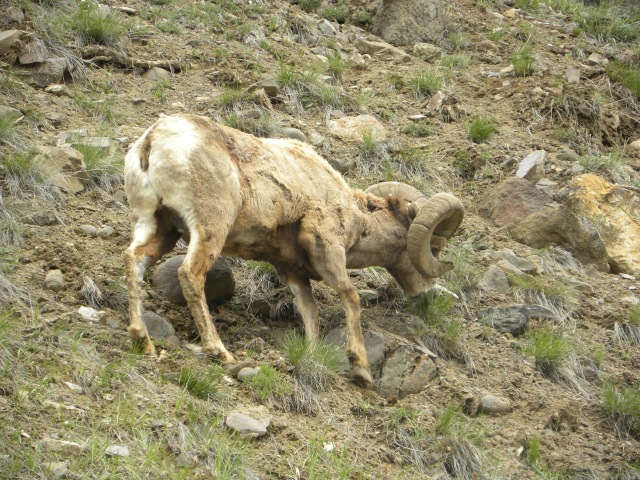
A blustery, unpredictable June brought with it fantastic wildlife watching in my three days in the Park.  I spent two nights in Mammoth and did several hikes.  On one, we ran into that herd of Rams you see.  150 years of no hunting leaves the wildlife very relaxed around people.  The rams hardly noticed us, moving slowly across the trail and up the hillside about 20 feet away.

From what I heard today, so far not too many cubs of the year (COY) have been spotted.  But I was a lucky one to get to watch a mom and 2 cubs for about fifteen minutes before they disappeared into the trees.  The cubs spent the entire time playing, rolling around, and then catching up with mom…..soooo cute!  One the way home I watched a courting pair of grizzlies.  The female was collared.  They rested together for quite some time under a tree while dozens of people watched about 100 yards away.

Yellowstone in May/June is the best time of the year.  One woman told me she spotted 71 bears last year in two weeks.  In early July grizzly bears move up into the high country to hunt for moths.  The elk follow the grasses higher up as well.  Wolves tend to follow the elk.  So although you may see these animals in summer, the sightings will be fewer and more difficult to find.

The wildlife, the thermal activity, the incredible setting–that is the magic of Yellowstone and spring is the best time of year to come.