• MY BOOKS ON WILDLIFE, GARDENING AND MORE

  • The Wild Excellence

  • True stories of wildlife encounters around the Greater Yellowstone
  • Award winning eBook on Decomposed Granite, tips, how to's, what to watch for
  • Children's book. True stories of a dog and wolves. In a dog's voice
  • Written for dry Mediterranean climates in California, north and south

California natives. Part 1 Aesculus california, California Buckeye

Since I’m in Northern California for a few months, I thought I’d do a few posts on some of my favorite, most useful, and underused natives for the garden.

First, the debate about ‘What is a Native?’

I was asked to be in a garden tour a few years back centering around California natives.  The organizer asked me what natives were in my featured garden.  When I mentioned Prunus lyonii, Catalina Cherry, a shrub native to the Catalina Islands, she said “That’s not a native…to this area!”

True, it’s a native to the Catalina Islands off the coast of Southern California, but not to the bay area of northern California.  So where do we draw the line?  Is it the northern coast line, or the dry climate of the Western United States and those ‘natives’ that will grow in our climate zone?

Frankly, I feel that as long as the plant isn’t an invasive, it adapts to your Sunset zone, it doesn’t need additional water once established, and it is ‘native’ to the Western United States, it can be called a native.

The other misnomer is that all natives are drought tolerant.  California has a wide variety of climates, from Redwood forests receiving the equivalent of 100-150″ of rainfall a year in the form of fog drip, to deserts that receive less than a few inches.  When people say to me “I don’t want to water so plant natives”, they clearly don’t understand the diversity of natives we have.  Many of our natives need additional water, so choose carefully.

If I’m asked to design a drought tolerant yard, I use a mix of California natives and other Mediterraneans.  By definition, there are only five areas in the world with a Mediterranean climate, that is, mild wet winters and dry summers.  They are parts of Australia, Chile, South Africa, California and the Mediterranean.  On a world map it’s a very small area,  but there’s a wide diversity of plant material to choose from.  When sited and chosen properly, all these plants will mix happily together and require similar watering conditions.  In fact, since our deer eat natives (deer are taught what to eat by their mothers), growing plants from other Mediterranean zones many times escape being eaten.

With that introduction, my first underused plant in the series is the wonderful California Buckeye. 

Its a common sight here in the Bay Area.  It has a drought strategy of being the first tree to leaf out in the winter, and the first to loose its leaves, sometime around mid summer (August).  The long panicles of flowers are a sight, ranging in color from white to pinkish.  After its leaves fall, the large fruits hang on the tree ornamentally.

Here is the wonderful thing about the Buckeye:  with some water, the leaves can stay on till October.  At the Berkeley Botanic Native Garden, there’s a Buckeye planted in a lawn.  The tree keeps its leaves through fall and is one of the very few drought tolerant natives that responds well to watering; therefore you can mix it with your other plants with only more benefits.

This incredibly adaptable native is almost never used in garden designs.  It should be used more and will adapt to any of our changing water needs.  If you plant it in a lawn now, then change your mind about the lawn in years to come, the Buckeye will do just fine either way.

The Golden Bear of California

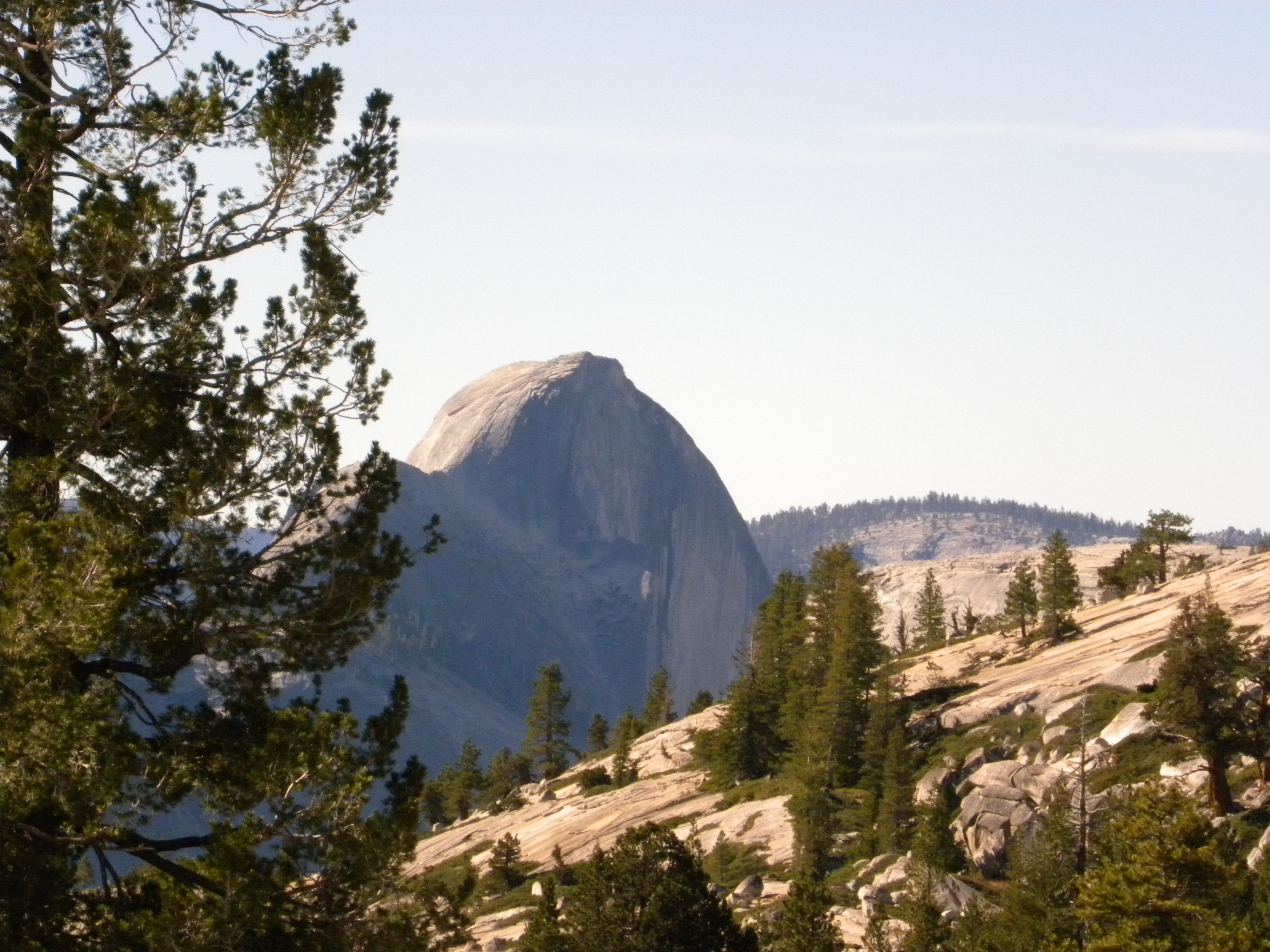
View from the pass of Half Dome

View from the pass of Half Dome

Driving through Tioga Pass, I couldn’t help but think of California’s state flag…the great Golden  Bear, a sub-species of our Grizzly, now extinct.

Black bears are ubiquitous in the Sierras.  I’ve heard from friends that back country hikers are now required to carry their food in bear containers when backpacking, adding lots of extra weight to their packs.  Last time I camped in Yosemite Valley, bears walked continually through our campground which was shared with dozens of other campsites.

So my question is…Why not introduce the great Grizzly back to California?  Hey, people are getting used to living with black bears.  It’s just a little jump from the Black to the Grizzly.  Besides, there won’t be so many black bears with a few grizzlies around as they don’t share territory easily.  A little bit of googling and it seems others are asking the same question.  Not many others though, but a few.

As opposed to the Greater Yellowstone Ecosystem which is higher, colder, and food scarcer, California is warm with abundant food.  Apparently, a hundred and fifty years ago, grizzlies were everywhere, gathering even in ‘herds’, unusual for the usually solitary beast.  Salmon, acorns, abundant wildlife, washed up whales…food was easy.  Seems like California harbored 20 percent of the 50,000 grizzlies that roamed the continent long ago.  Its a shame to waste all the protected spaces of Californias’ Federal and State Parks and Forests.

In addition, it might give pause to the growing population of California.  When I was growing up here, California had an already bulging population of about 12 million.  Now its pushing 37 million, too many people for the space.  Many of these newcomers are easterners and mid-westerners, looking for climate change, in denial of the natural dryness of the west.  I watched California grow in the 80’s and 90’s, developers building out-of-place Cape Cod style McMansions, tearing down ancient oaks to put in home vineyards with private labels for Christmas gifts, lawns and golf courses erected where there should be Manzanitas.  I suggest the only thing that might put a stop to all this madness is the great, top of the food chain predator–the California Golden Bear.

Now, in all seriousness, Californians have the room for a few bears.  Biologist Carlos Carroll maintains that the Siskiyou Mountains could maintain around 300 Grizzlies.  I’ve been to these remote mountains on the Oregon Border.  They would make nice habitat.  I’m thinking so would Yosemite, and Tahoe for that matter.  Wolves in California might be just too big a jump, but Grizzlies are actually easier to live with, tend to be solitary, populate slowly and are omnivorous.

I like having Grizzlies in my valley in Wyoming.  They make me aware.  They make me remember that life is wild and that I too am a child of the wild.  We humans tend to eliminate everything that threatens us.  But really, we can never fully eliminate all threats.  In trying to cheat death, we only cheat ourselves of our natural woolly wildness and loose touch with an important part of our soul.

Mountain Lions, Pumas, and Cougars

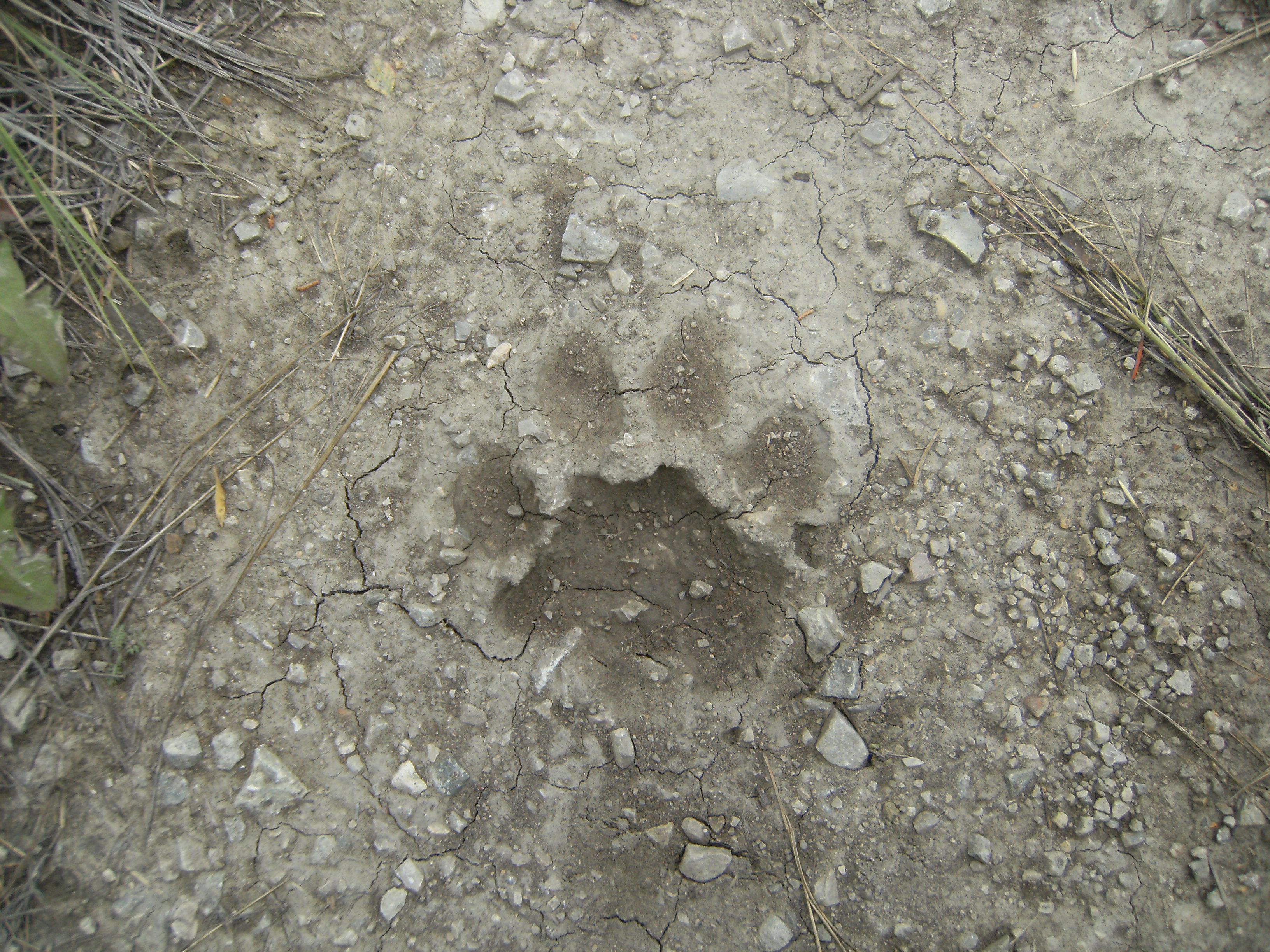
Cougar trackI’ve just finished a read that really got me thinking.  The book, The Beast in the Garden by David Baron, I bought from Jim Halfpenny.  That’s because Jim is featured prominently in the story as an independent tracker and researcher who forewarned of the dangers that were coming.

In detective style, Baron weaves the true story of Boulder, CO in the late ‘80’s, a rapidly developing community impinging upon mountain lion territory, while at the same time a ban on deer hunting exploded their prey population.  Deer were wandering city streets and suburban backyards.  Naïve ex-city folks encouraged their tameness by feeding them.  And the mountain lions followed the deer, as they’re known to do.  Soon they were killing deer in people’s yards on the outskirts of town.  Before long, the lions, stalking deer in suburbia, had studied the people as well, and knew their habits and routines.

Interestingly enough, Baron explains that the natural enemy of mountain lions are wolves—cats and dogs.  With wolves so long out of the picture, lions no longer had the natural instincts to fear dogs aka ‘tame’ wolves (mountain lions are hunted with dogs but these hunting dogs are highly trained to focus on running down just lions, not other types of prey).  So it wasn’t unusual that the first aberrant sign began with lions killing and eating dogs left in outside fenced runs, or running free.

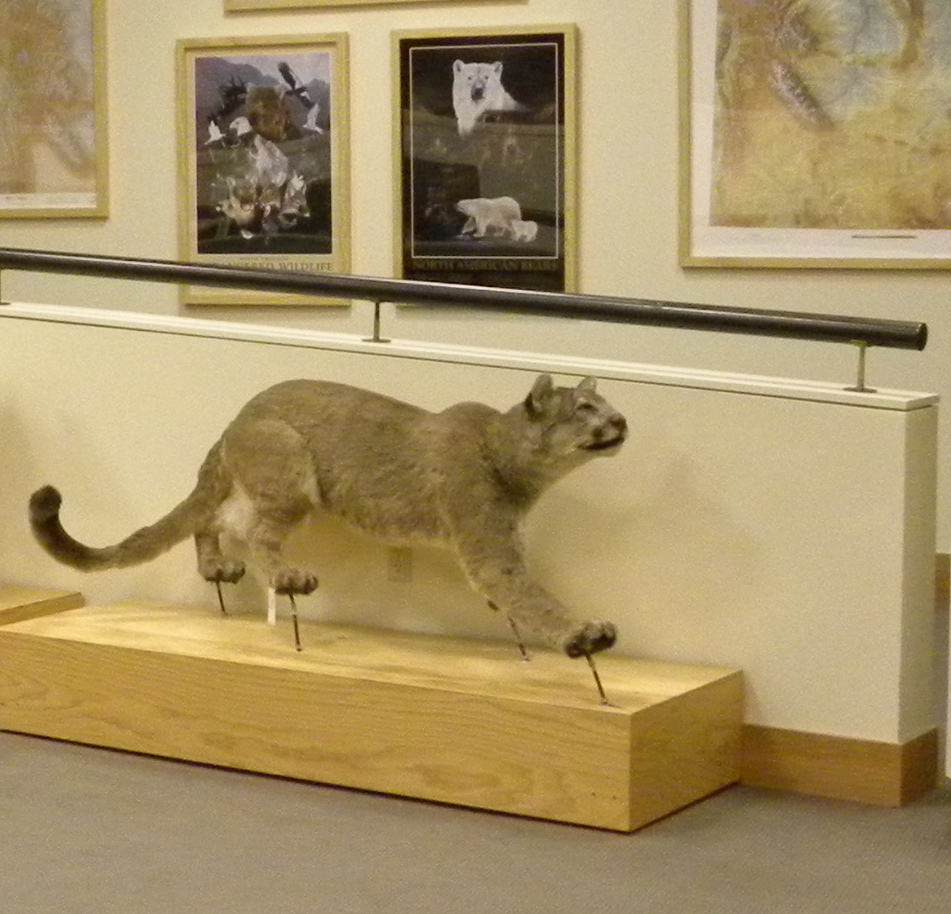
People started seeing lions not just occasionally at dusk or dawn, but during daylight hours, and sightings increased.  The lions  soon roamed city streets at night.  One policeman came across a lion late at night on a city street eating a deer.  The old tried and true method of ‘look big, wave your arms and yell’ only elicited yawns at best, and more often snarls and growls.  It was only a matter of time before there was a human attack.  When a high school student was killed and eaten while training for a track meet running in the hills near his school, the Colorado Wildlife agency took action by relocating problem cougars, or using rubber bullets and other measures.Stuffed mountain lion

Why did I find this book so compelling?

The book highlights a lot of questions and new situations we face (more incredible cat stories in the news).  We have lost our wilds, our wilderness areas.   All wilderness is surrounded or encroached upon by civilization in some fashion or another, whether it be farmlands, suburbs or town.  In nature there are no empty lots that wildlife can move into.  Expand your footprint, buy some acreage in the Oak woodlands and the wildlife are still there.  Take down the old Oaks and put in your personal vineyard, the wildlife now lurks in the background, but are still around.

This situation just happened to me in an amusing way the other day.  While camping in the redwoods on the weekend, all the campgrounds around me were full.  People had their coolers, lights, etc.  They seem to have brought the suburbs with them.  I could hear growling in the shadows by the creek below.  The dog kept running in the brush.  What was there?  After all the campers went to bed and the fires had died down, a family of raccoons started marauding the area.  They knew exactly what these humans habits were.  But the following night, on a Sunday, I was the lone camper and the raccoons had retreated, only to be heard squabbling over some leftovers in a distant campground.

Jim Halfpenny, the book states, worries that the next predator/prey aberration will be with the wolves.  In the quote from James Schultz, he says that Native Americans were never bothered by wolves; they never feared when they heard wolves around, which was all the time, every night.  But he also says that there was plenty of prey, so there was no need to be afraid.  And, what he doesn’t need to say in the 1880’s, is that there was plenty of habitat.

We need to think through exactly what we are doing in our wild lands.  Most recently I read an article in Scientific America proposing growing our foods in high rise buildings in our cities, saying it would be more economical and efficient.  We could use all our grey water that way.

Of course, I added in my mind, leave all the rest of the land to the ancient wilds, restore the Bison, jam the GPS units, and live or visit there at your own risk.  As one of my friends in Cody says, when hiking in wolf and grizzly country, with a dog, you take certain risks and just live with that knowledge and be prepared.

All in all, the score is still in favor of the bipedals–66,665 cougars killed by humans in the last 50 years to 15 humans killed in the entire last century (100 years) by the big cats.  Obviously we are still the deadlier of the two species.

Sedona, Arizona

I’m having a good time visiting friends in Sedona, Arizona.

Here’s some vital information you might need when visiting:

1.  64 percent of visitors come to Sedona seeking some kind of spiritual experience.  The National Forest brochure even talks about vortex sites saying “Sedona is believed to be a vortex meditation site”.  Local bookstores give away free maps to the vortex areas and claim the junipers twist in the direction of the energy.

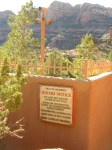
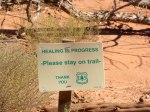
NFS signage unique to Sedona

NFS signage unique to Sedona

2.  You will need a Red Rock Parking Pass in order to park at trailheads on federal lands–our lands.  Arizona State Parks have other passes ranging from $6 – $125!! You have to display your parking pass in your car at the parking lots for the trails.  Luckily, living next to Yellowstone, I have an annual Park pass which allowed me to obtain a parking pass for free.  Also, in addition to your parking pass, some trailheads on national forest lands cost extra $$, the most popular being West Fork trailhead.  Some sites, such as the Palatki Cultural site, require reservations.

Parking pay stations are at some of the trailheads

Parking pay stations are at some of the trailheads

3.  October is the busiest month, my friends tell me.  Makes sense because the summers are really hot here.  In any case, go hiking early as it gets hot by mid-day; and watch the sun, as it goes down quickly and gets cold.  One day we drove out to the surrounding ponderosa pine forests.  There were no tourists, only a few hunters, but the landscape was not unique.  In the surrounds of Sedona, where the spectacular red rocks dominate, the trails I walked, usually no more than 5 miles in length, were full of hikers of all ages.  One of the most popular and most beautiful trails, Boynton Canyon, is in a wilderness area that abuts a lengthy golf course.  An older woman hiking the trail took this photo below and told me “Its an outrage.  I’m posting this on UTube.  John Muir would have a fit.”  Glad there’s some people still outraged by this, especially in ‘Wilderness areas”.

Private golf course abutts a Widerness area in Sedona

Private golf course abutts a Widerness area in Sedona

Sedona was missed.  It should have been a National Park, its that beautiful and special.  Unfortunately, most views contain houses, as one German visitor put it to me.  That being said, its still worth a visit at least once in your lifetime.  Most city people are completely entranced and satisfied with the level of ‘wild’.  My elderly hiker who took the above picture told me she had come with a large group of hikers in a tour.  None of them noticed this level of defacement.  All were enthralled with the beauty, as they should be.

There are plenty of great photographers with photos of the Sedona rocks on the web.  The light plays on the rocks, always changing the way they look at different hours of the day.

Light changes the red rock

Light changes the red rock

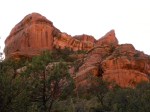
Red buttes of Sedona

Red buttes of Sedona

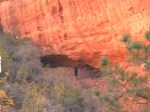
The oldest inhabitants of Sedona lived here

The oldest inhabitants of Sedona lived here

Sedona is unquestionably beautiful, relaxing, and special.  Its just not wild enough for me.

Navajo Reservation

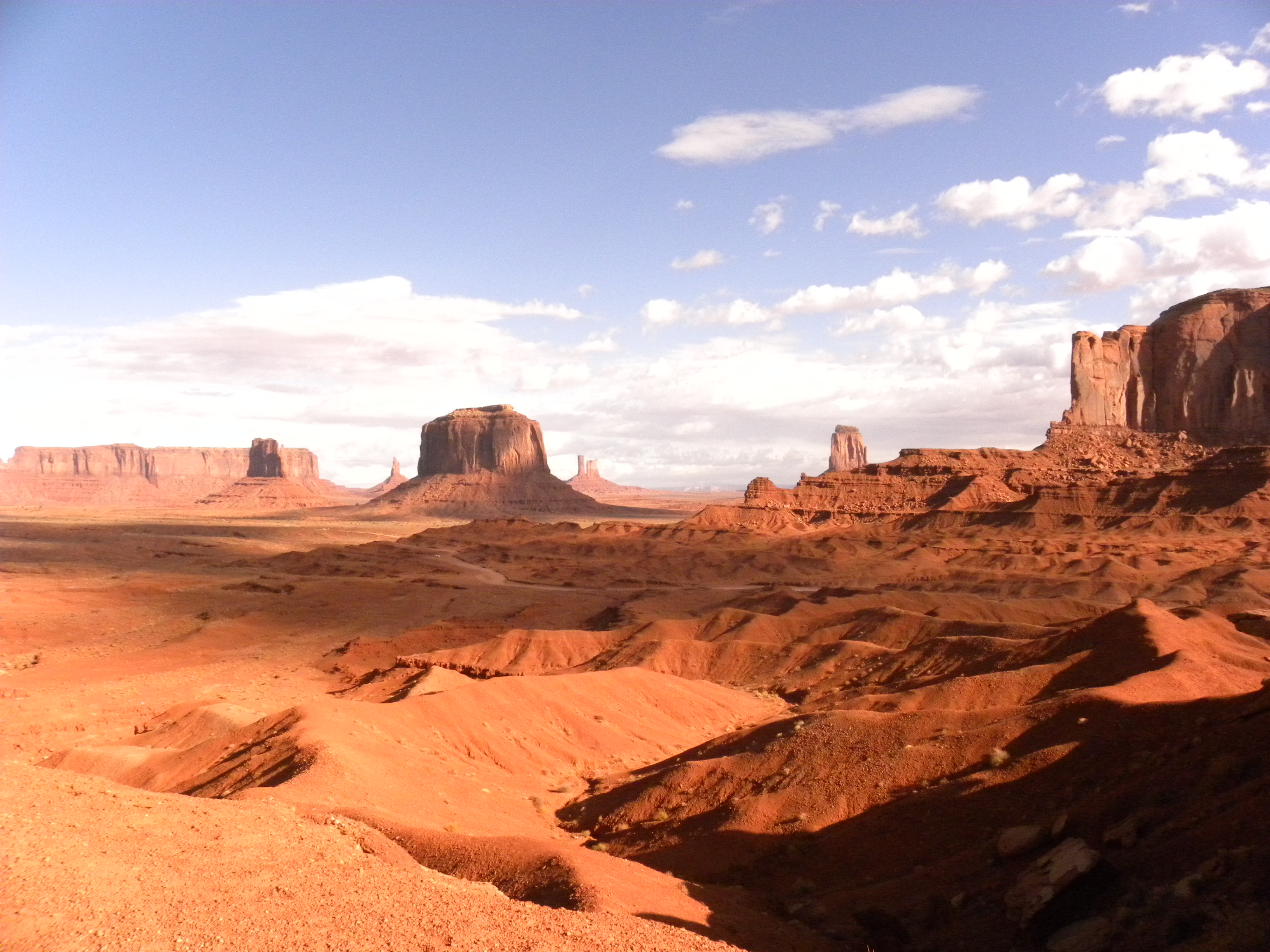
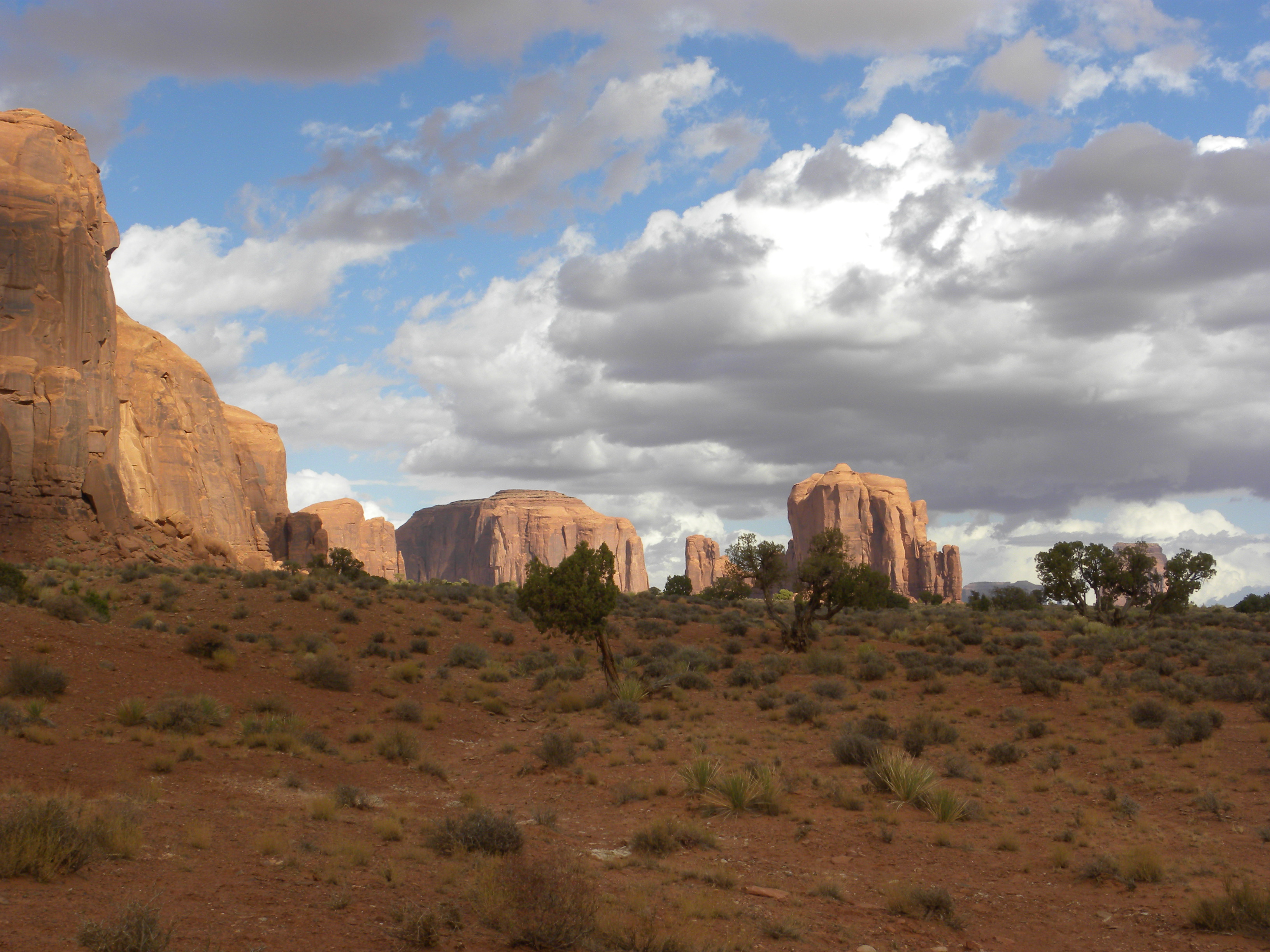
I slept in a campground at Monument Valley, got up early and made my way to the Monument for the 17 mile dirt road loop drive.  An incredibly magnificent, overwhelmingly beautiful and powerful place, Monument Valley is Tribal managed.  Since most tourists travel by large trailers and the dirt road is not recommended for RV’s, there are few cars on the road.  RV tourists take the tour ‘buses’.  Along the way at various locations are stalls with locals selling jewelry at ridiculously low prices. Monument Valley

Monument Valley2

Monument Valley3

Monument Valley4

I’d strung a necklace before I left of beads and 3 elk ivories I found on last winter elk kills, but it broke in Thermopolis and I lost most of the beads.  I had the ivories in my purse and asked a woman selling jewelry if she’d restring it for me.  I picked out a necklace of turquoise and beads and she restrung it right then and there with my ivories.

I picked out a necklace for $5 and she restrung it with my elk ivories

I picked out a necklace and she restrung it with my elk ivories

A new Navajo market trading post with indoor heated small stalls for artists that used to work alongside the main highway was a fine place to stroll for an hour.  I struck up a lengthy conversation with an older woman tending one shop.  She told me she did the original necklace design, while her daughter did the bead work.  As we talked her daughter, a very over weight young woman, came in briefly.  They exchanged a few words in Navajo, I said hello, complimented her beadwork as she left.

“She does excellent beadwork, and sitting all day, that’s why she’s so overweight”, my new friend said.  “She was even heavier”, she offered, “but I got her to use those patches to suppress her appetite and she lost 20 pounds.”

We talked about the weather and the wind outside.  I told her that we missed our fall and Indian summer in Wyoming, that I thought we were going to have a long, strong, winter.

“I think so too.  The Junipers are bearing heavy this year.  If you watch the plants, they’ll tell you about the coming winter.”

I told her about the past droughts in Wyoming, how water had become more scarce and only these past two years have been fairly normal.

“You too?  We are having so many problems here with water.  We’re having to start trucking it in.  No one has running water.  And our wells are full of uranium.  All our elders are dying–at 60 or 65 years old–all over the reservation, our elders are dying of cancers.  Our young people have bone problems, eyesight problems, cancers.  All from this uranium in our water from the mining that the government allowed.  They’ve closed the mines now and they want to compensate us.”

I said I thought there was no compensation for those horrors.  That clean-up, medical care–that was the ‘compensation’ they needed.

“That’s what I say.  We need medical care and they need to get rid of the uranium, somehow, in the water.  We don’t have good water, plus our water sources are drying up.”

The phone rang, she answered and I looked around the shop.

“That was my son.  My sister is in the hospital in a coma.  She was in a head-on collision last week.”  She told me the details.

We said our goodbyes.  She was such a warm, friendly person.  I left sad.  Here was a woman dealing with life’s difficulties not just on the personal level, but at a tribal level as well.  A hundred years later, the story hadn’t changed much, just the characters.  Land continues to be abused in the name of progress at the expense of these native peoples.

Indigenous peoples, old and new

Mesa Verde, Hovenweep and Canyons of the Ancients, together, all tell a story of what the Land and the Life around the Four Corners was 1200 or more years ago.  Over 30,000 people lived in the surrounding valleys and mesas, much more than today.  Their culture and architecture slowly evolving and developing, its thought they depleted their resources, leaving it devoid of trees, soil fertility, and game.  With a severe drought of over 20 years setting in, they all had to move on to greener pastures.  Sound familiar?

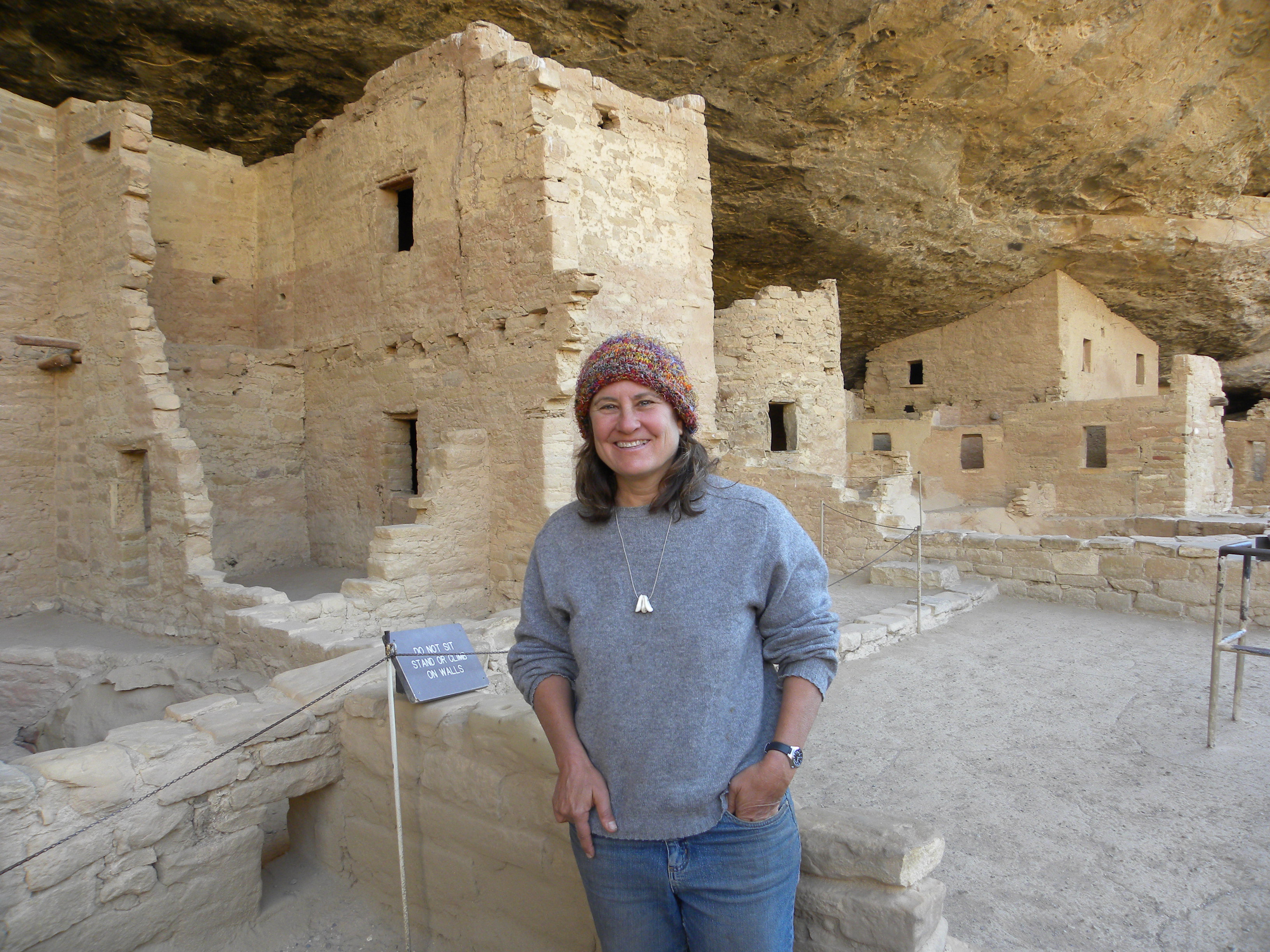
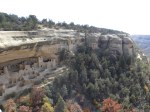
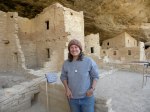
I really was at Mesa Verde.  Proof.

I really was at Mesa Verde. Proof.

Wow

Wow

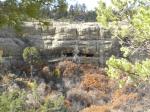
Another dwelling site

Another dwelling site

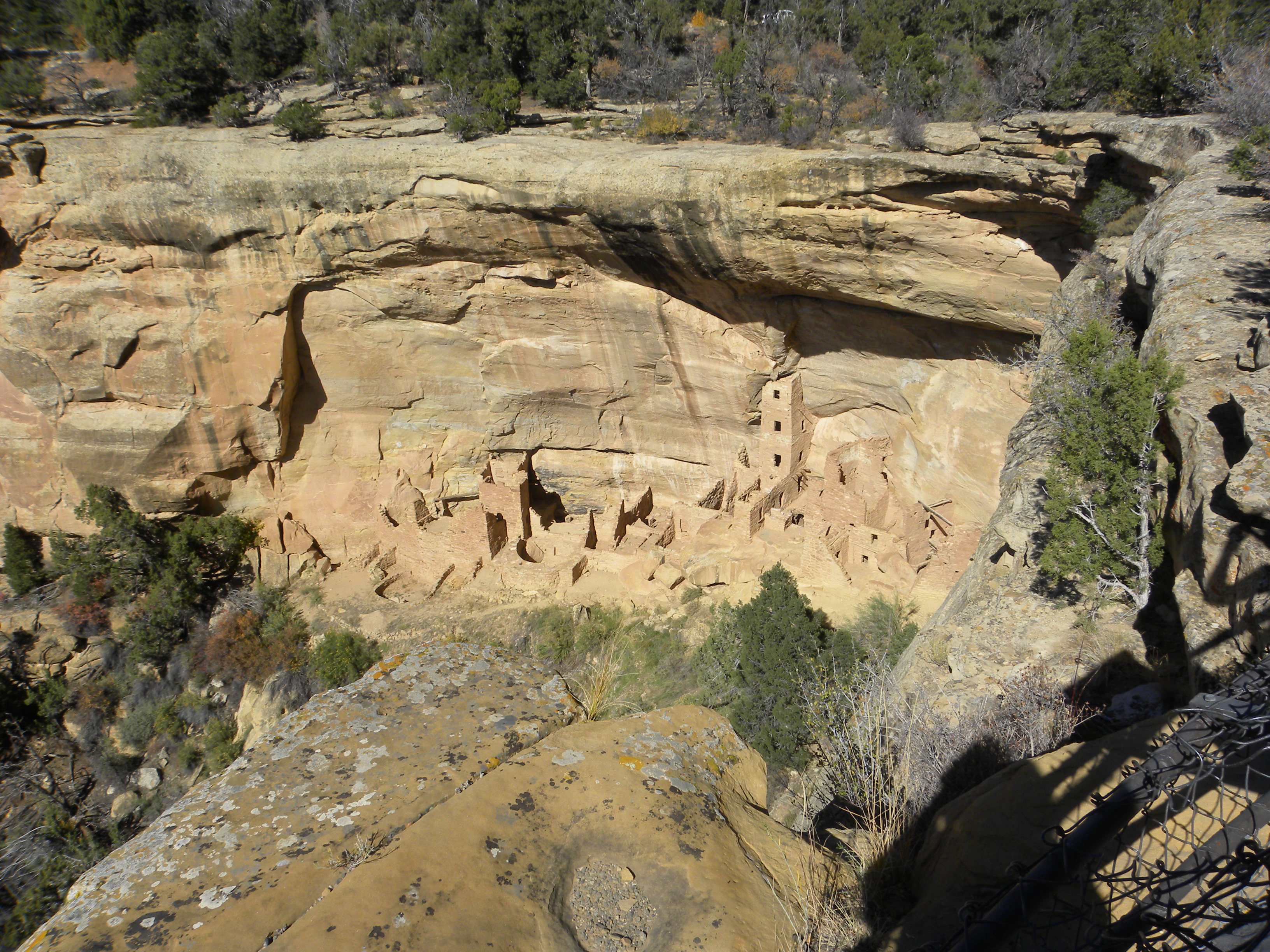
Photo taken across the canyon.  How did they get they there, let alone build it?

Photo taken across the canyon. How did they get they there, let alone build it?

Traveling to Hovenweep, the road was incredibly beautiful.  I slept under the stars at the Monument, dreaming powerful dreams of eagles and hawks.  The Monument is primitively developed.  A walking path takes you around to each ruin.  If desired, you can drive further east to several out building ruins off dirt roads and trails.  These buildings, although constructed around the same late period as Mesa Verde (and not occupied for more than a generation or two), are architecturally very different.  Their purpose was unknown, but to me they appeared as fortresses, possibly lookout towers to alert the villages of approaching marauders as food and resources became scarcer.

All buildings were built on rock ledges overlooking canyons

All buildings were built on rock ledges overlooking canyons

My very favorite.  The boulder is gigantic its built upon

My very favorite. The boulder is gigantic its built upon

Nearby, the fairly new National Monument, Canyons of the Ancients, doesn’t even yet have literature, nor thankfully, roads.  There are over 4000 archaeological sites scattered throughout BLM managed land.  I drove up to Lowry to view one of the premier ruins, which was fully excavated in the 30’s.  These ruins are from an earlier time than Mesa Verde and Hovenweep and were clearly living quarters, with one of the three underground kivas surviving intact.

Description of ruins at Canyons of the Ancients

Description of ruins at Canyons of the Ancients

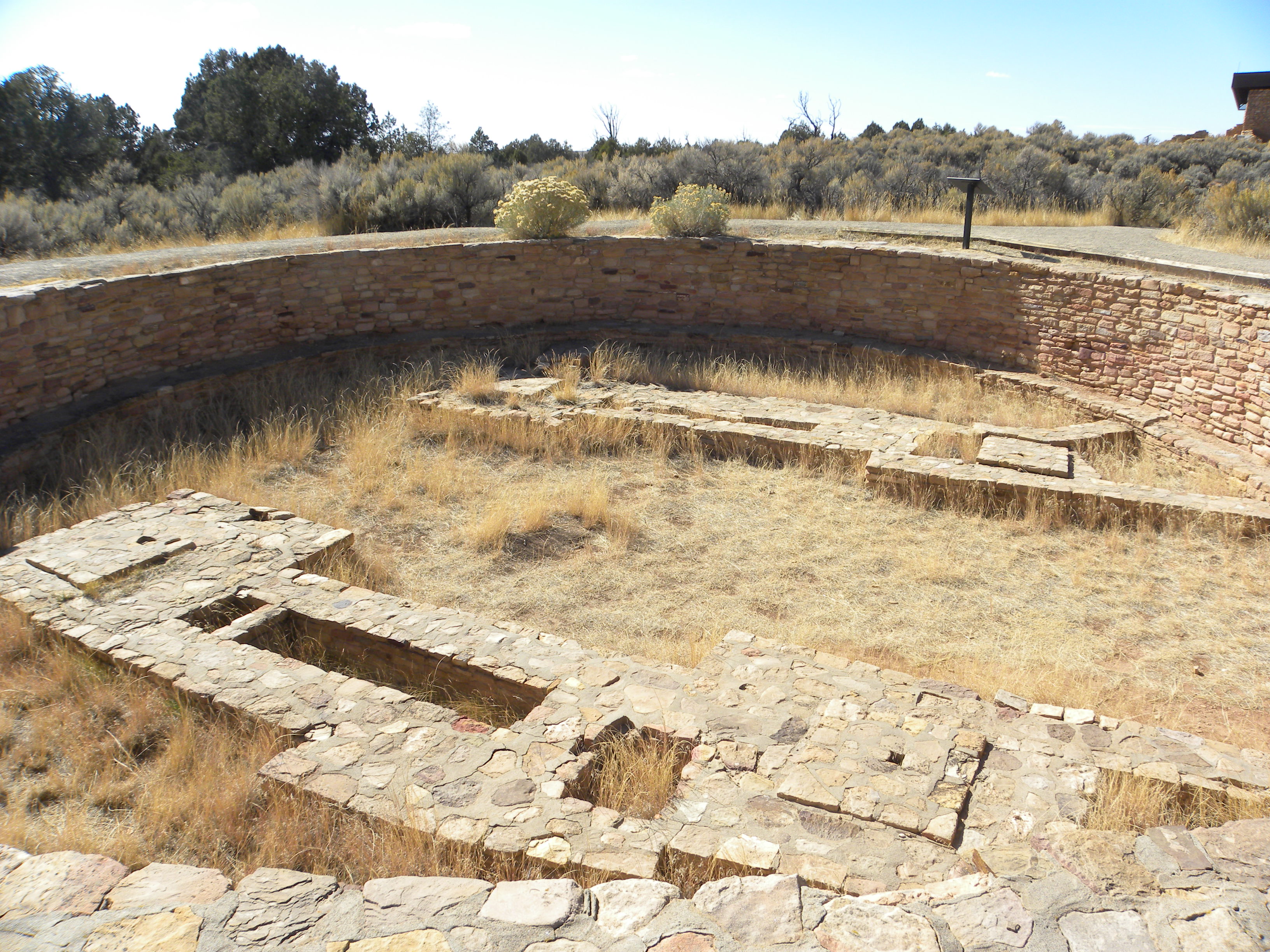
My favorite was a nearby extremely large kiva.  Clearly this kiva was used ceremonially as a gathering spot for clans and families from all around the area.  To get to these ruins, you drive a lonely dirt road through pastures and farmlands.  Nobody was there, as opposed to Mesa Verde where the walks were led by rangers with many visitors participating.

Central gathering Kiva

Central gathering Kiva

I had the wonderful opportunity to sit quietly, alone, and feel the powerful energy of that large kiva, letting my imagination fill in the gaps of wonderous gatherings of song, dance and ceremony.  That is my favorite site.

After I left Hovenweep, I headed for the Navajo reservation where I spent the night (which I’ll describe in a separate post).  I told a Navajo woman that I’d come from Mesa Verde.  We talked of these magnificent buildings and experienced builder.  I told her I wondered about how theses ancient people were able to climb down from the mesas to the buildings below (rangers say it was by handholds they made in the rock).

“Some people say they could fly.”

“That’s probably the best explanation I’ve heard”, I replied.

Our Social Nature

Black Elk, after traveling all over including Europe with Buffalo Bill Cody’s show, made this comment in his book Black Elk Speaks. “After a while I got used to being there, but I was like a man who had never had a vision.  I felt dead and my people seemed lost, and I thought I might never find them again.”

I have been traveling.  Seeing fantastic landscapes that appear to be out of your dreams, sleeping under the stars every night, exploring ancient pictures that tell of hunts, buffalo, bighorn sheep, and phantasmagorical creatures.

Look for the tiny people down below

Look for the tiny people down below

Landscapes of your dreams

Landscapes of your dreams

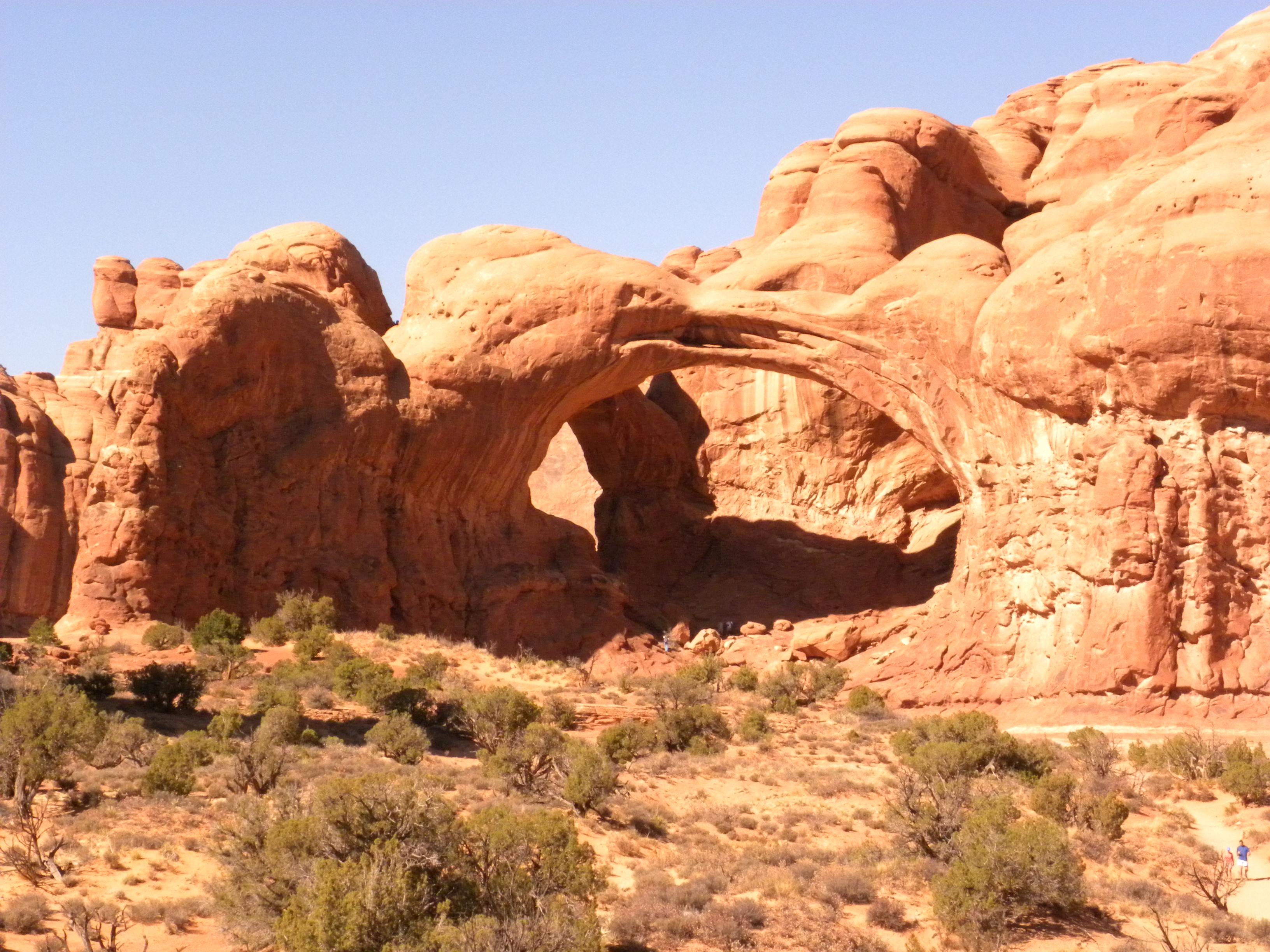
Arches National Park is weird and unreal, like a moonscape, but I did see a coyote wandering around.  Canyonlands is one of the most beautiful places I’ve ever been.

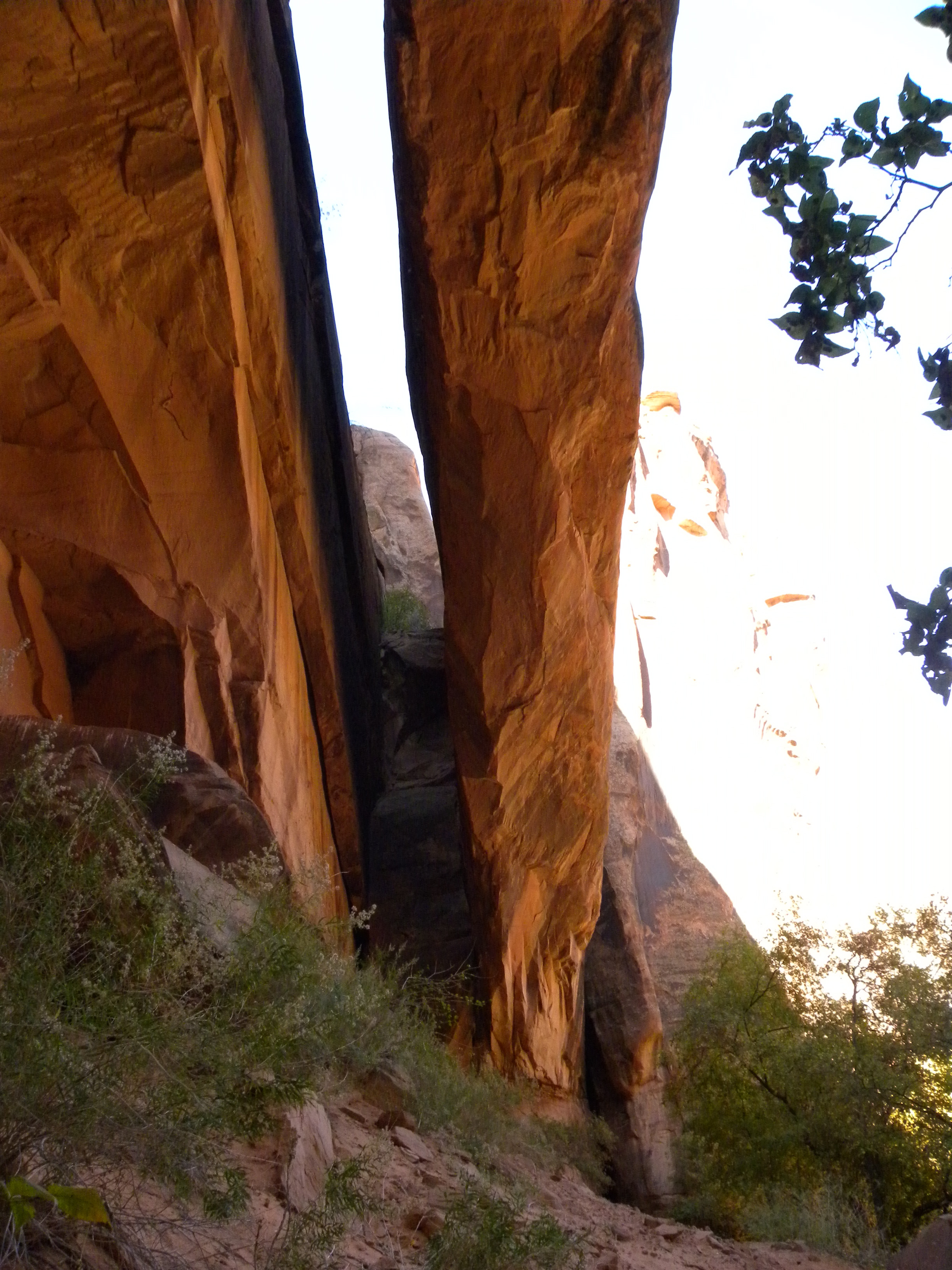
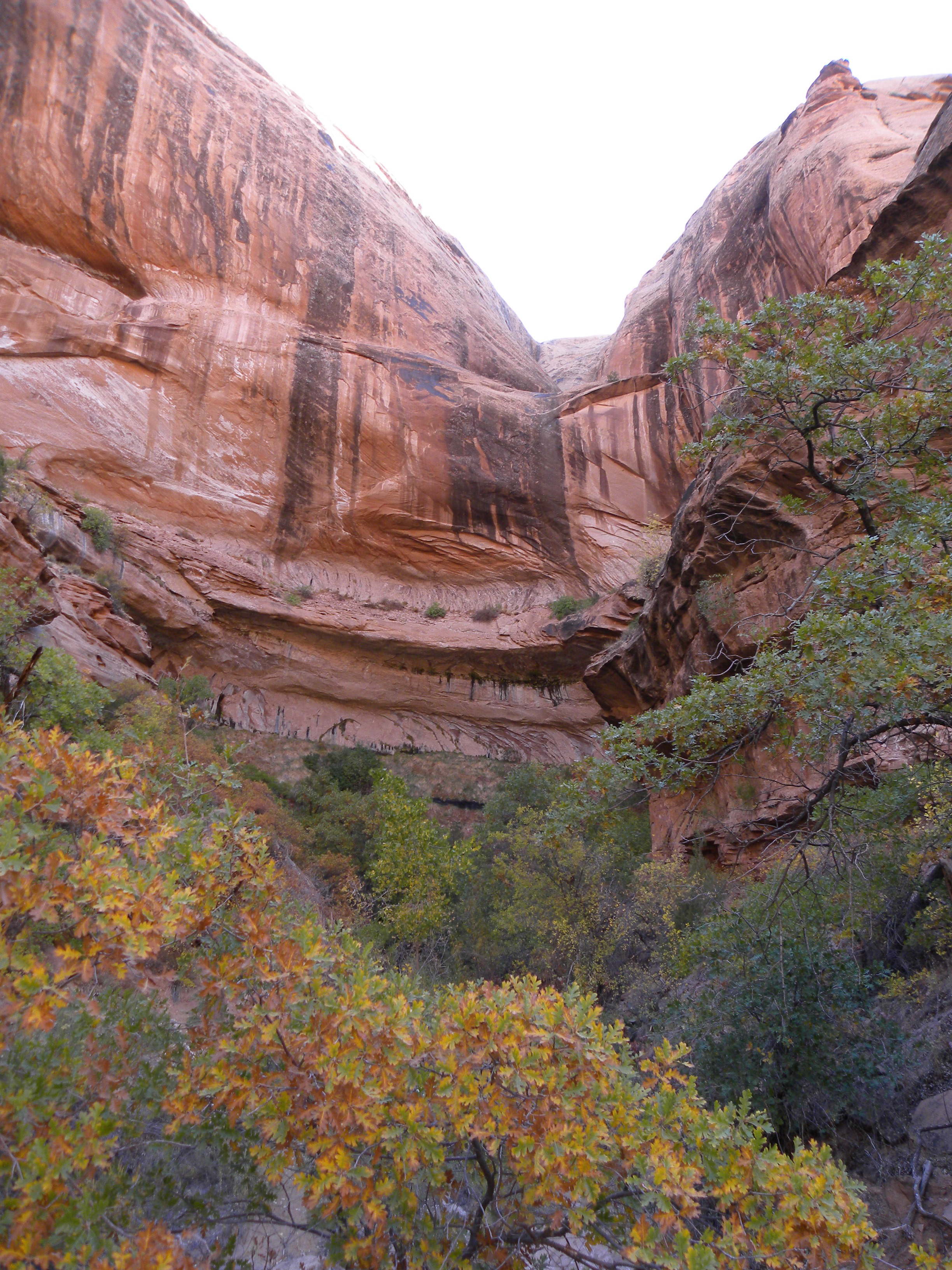
Negro Bill Wilderness Study Area

Negro Bill Wilderness Study Area

One view of Canyonlands

One view of Canyonlands

An old man at a viewpoint in Island in the Sky remarked to me “This is one of the two best Parks in the U.S.”

“What’s the other one?”  I asked.

“Yellowstone.”

I’ve met people from Bozeman, Bulgaria, the Netherlands, and New Mexico.  Many are on their second or third trip.  There’s just too much here to see, especially in Canyonlands which could take a lifetime of exploring, let alone driving.

Reminds me of Uluru

Reminds me of Uluru

What has stood out to me starkly?  The enormous and overwhelming landscapes, and the town of Moab, juxtapositioned together like a tale of two cities.Oak and oak

Moab is a mecca for recreation.  Hikers, bikers, climbers, hunters, boaters, off-roaders–whatever pleasurizing you can think of in the outdoors.  Just go into town and experience their beautiful expensive visitors’ center, with every possible pamphlet, extremely helpful and friendly staff to guide you through any experience you want of the outdoors; this not only was a great boon for my trip experience, but gave me the distinct feeling that all of nature was here to give me a great vacation.  Oh, they did say “Be safe when you 4-wheel to these petroglyphs”, “Bring lots of water”, etc.  But the orientation, the philosophy all shared by our entire culture seemed to be symbolized here, in this tiny booming town.  “There is only this physical world, and its worth exploiting the hell out of it till we die.”

And that is why I thought of Black Elk, shaman and prophet.  He stepped out of his world, a world where every aspect of nature is accepted as a form of spirit energy, every object, every individual, human and non-.  Where the lightning is a God, the storm clouds are a God,  the rain is a God, the river is a God.  And then he spent time traveling the world with Buffalo Bill, where now all that he had held sacred was viewed as entertainment.  And after a time of doing that, he grew accustomed, but he felt dead inside.Petroglyphs

Fun is great.  And so is the sensitivity that only comes with a slowness; entering into the field of Nature like the summers of childhood.  Aldo Leopold, writing of his time in Arches National Park says “there was time enough for once to do nothing, or next to nothing.”  In that, we might, as a society, learn something new.

Double rainbow over my campsite on the Colorado River

Double rainbow over the Colorado River

Blackfeet, Wolves and emblems of the Spirit

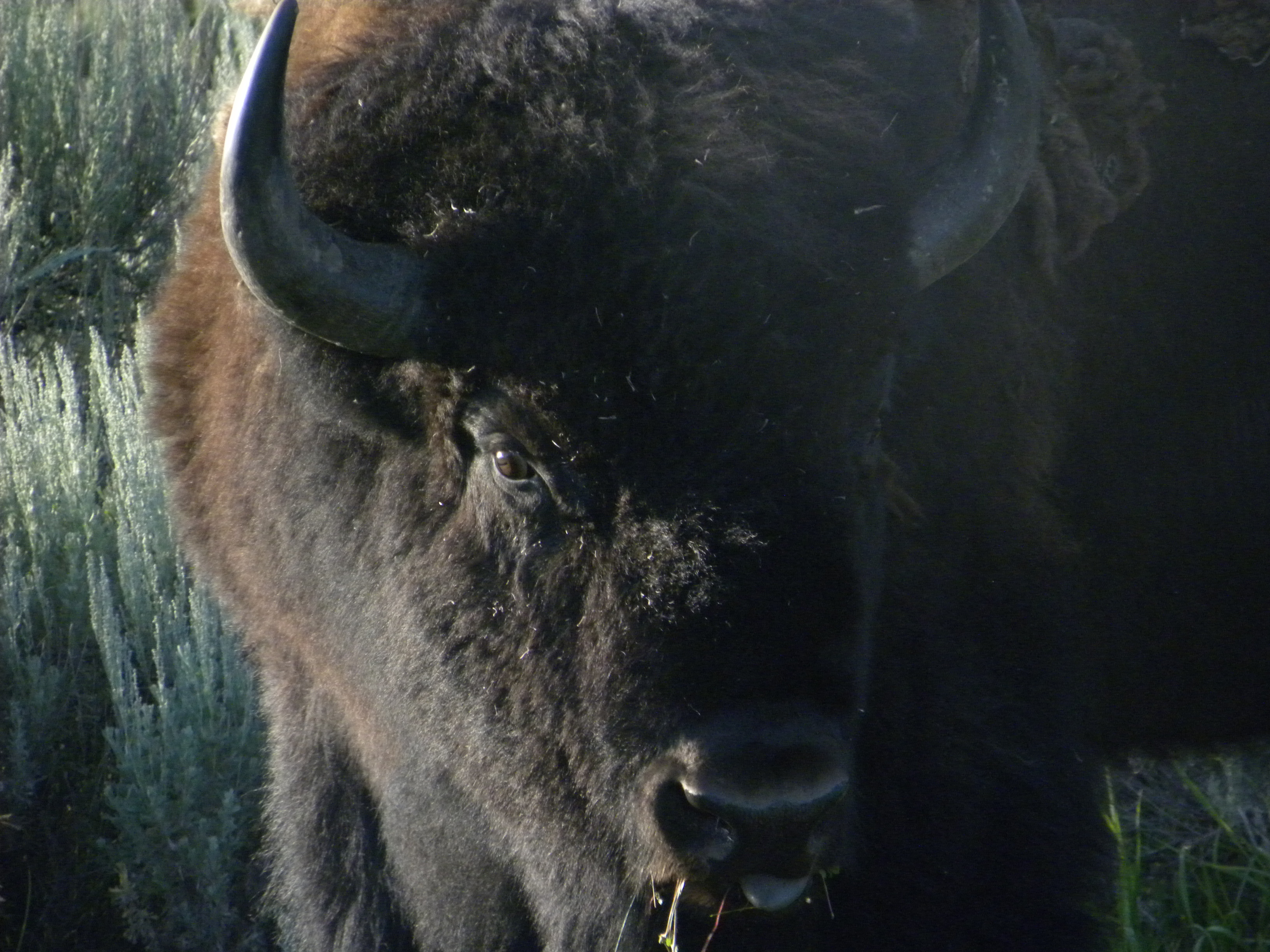
I just finished reading a wonderful little book by James Schultz.  Schultz lived with the Blackfeet Indians starting around 1880 and took an Indian wife.  He learned their language and soon, as a very young man who came out from the east coast, became accepted into the tribe as one of their own.  He, along with his friend George Grinnell, helped advocate for Glacier to become a National Park, and wrote many books about his life among the Indians and the wilds of Northern Montana. He’s providing me with a vivid sketch of life in Montana at the close of the 19th century, the final days of the free lives of the Blackfeet , as well as the last days of the Buffalo. With the recent delisting of the wolves of Montana and Idaho, and the hunts that are now taking place there, here’s a little gem of a quote from Blackfeet and Buffalo: Memories of Life among the Indians: “The big, bad wolf?  No indeed!  I once had a pet wolf, as good a friend of mine as any dog I ever owned.  But before I tell of him, I must say that, so far as I can learn, the wolves of North America never attacked human beings.  There was good reason for it:  game animals and birds, were everywhere so plentiful that they had no need to attack their great enemy, man.  The Indians have no tales about big, bad wolves.  They frighten their children into good behavior by threatening them with the bear.  Until the late 1870’s wolves fairly swarmed upon the Montana plains; their long-drawn, melancholy howls were ever  in our ears.  But lone hunters, both Indian and white, when caught out at night and far from home, lay down to sleep without the slightest fear of them.” On of the most intriguing observations about the Blackfeet is contained in the following quote: “The Blackfeet  Indians, and perhaps many others, have a peculiar habit of going up on high hills and bluffs conveniently close to camp and sitting there motionless and rigid as statues for hours.  Near the close of the day seems to be the particular time for indulging in this practice.  Why they do so is a mystery.  I have often asked them the reason, and have invariably received the reply, Kis-tohts, meaning “for nothing.”  Sometimes I have hidden myself in the coarse rye grass which grows so tall and luxuriantly in the river bottoms, and with the aid of a powerful field glass have closely scrutinized their countenances, but  to no purpose.  The expression of their faces never changed.  Their eyes had a far-off dreamy look which could not be interpreted.” Schultz speculated that maybe they were thinking about the passing away of the life they once knew.  But I have a different notion.Weather Living so close to the earth, these people keenly observed not only the animals and their movements, but the whole non-human processes–the weather, the sky, the stars. All was observed in a contemplative disposition of openness.  In their deep observations of animals, they not only learned about them for their hunt, but noticed their simplicity and ease of contemplation.   Animals were direct representations of spiritual communications and powers and so they were highly venerated and used ritually and contemplatively for various purposes.  They were emblems, doorways to Spirit.  In fact, they were a unique display of what was beyond the human, rather than lesser than human as we rate the animal world today.Deer in velvet Going and sitting on a hilltop, motionless at dusk, was a form of communion, as natural as the elk lying in the grass still and silent, or the spider who patiently sits in its web.  It was setting aside time, after the safety and the needs of the body were taken care of, to drop into contemplation.  Living with the Land as they did, there is a natural rhythm and pulse that overwhelms the body and mind when it’s still.   I believe they were just responding to that natural pulsation of contemplation that was everywhere around them, including in the animals. This is the kind of sensitivity we need today in our conversations about our ecosystems, the wolves and bears, the elk and deer and the whole animal world, including ourselves.  We are upside down.  We are not the ‘managers’.  Animals and plants are not just ‘resources’ to be exploited and managed. At one time, 100 years ago, the idea of game management was a necessity when we almost slaughtered much of our animals to extinction.  We saved our game by setting land aside, establishing hunting regulations, careful management, and educating generations of biologists. But it is a new day and a new paradigm is needed.  I don’t know the answers, but I do know where we need to begin from.   Our conversation needs to start from the assumption that all life is conscious.  That’s not an airy fairy granola eating notion.  That’s the logical application of Einsteinian physics.  And looking at animals as emblems of the sacred is a good place to start.Bison

Yellowstone after Arnica

This will be my last trip to Yellowstone this fall. The Park is winding down and, because of the fires and snow, a lot of the roads were closed.  I went with some friends from BBHC through the East entrance.  Dunraven Pass and the road to Lake were closed.  Old Faithful access from the south (Madison to Norris access has been closed for repairs for the season a long time ago) was closed as well, but open from 12-1 only, I suppose so people could get out of the hotels. So, we had no choice but to head towards Canyon and Mammoth via Norris.

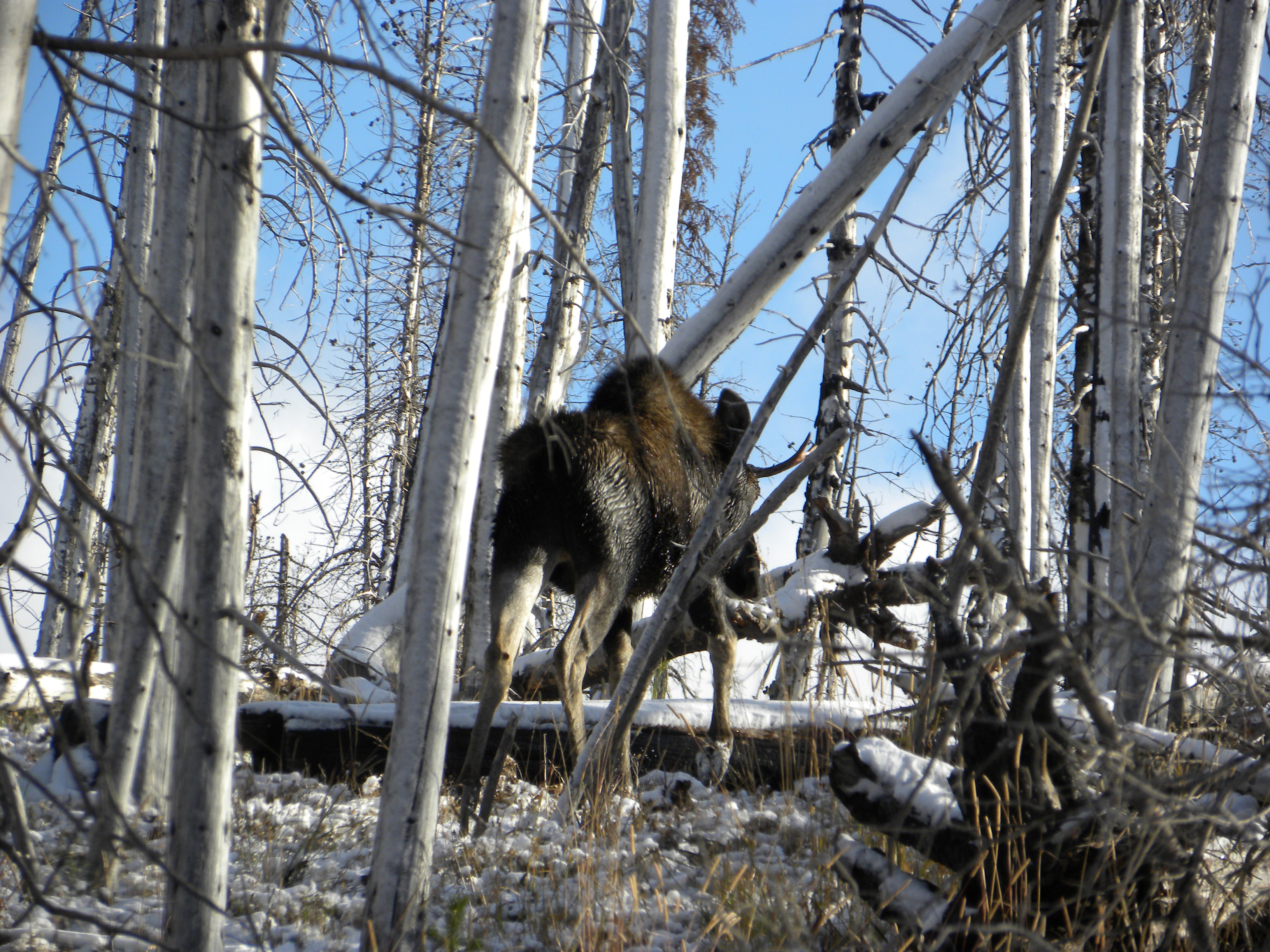
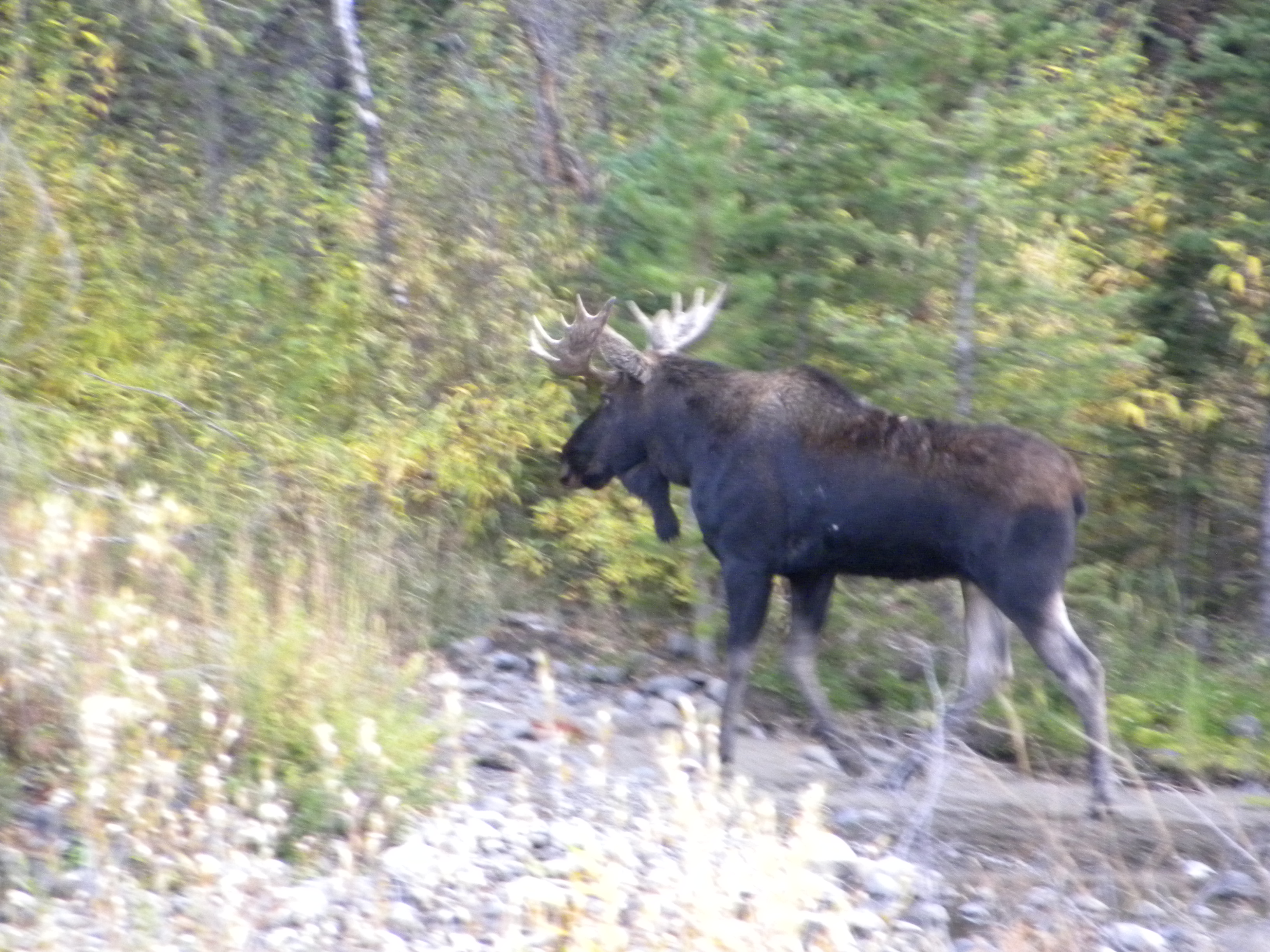
The day started late, around 8 am, but with a bang.  Way before the Park gate, on the Northfork, we spotted two moose–a young bull and a cow.  On the way up Sylvan pass there was another young cow moose.

Near Sylvan Pass

Near Sylvan Pass

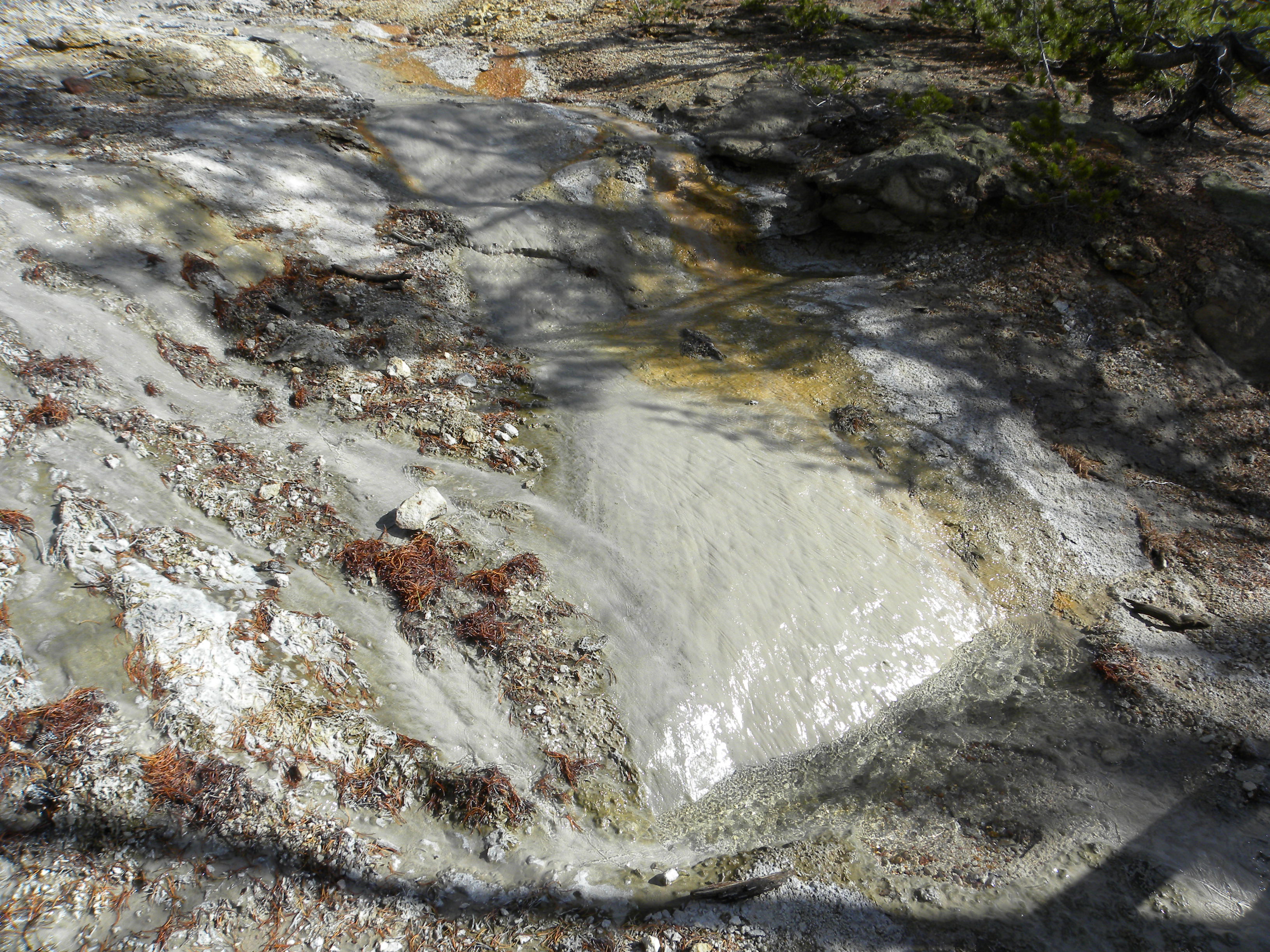
There was lots of snow up and over the pass, and Sylvan Lake had a partial ice cover.  We headed for Norris Geyser Basin with a stop at the Mud Volcano.  Mud Volcano

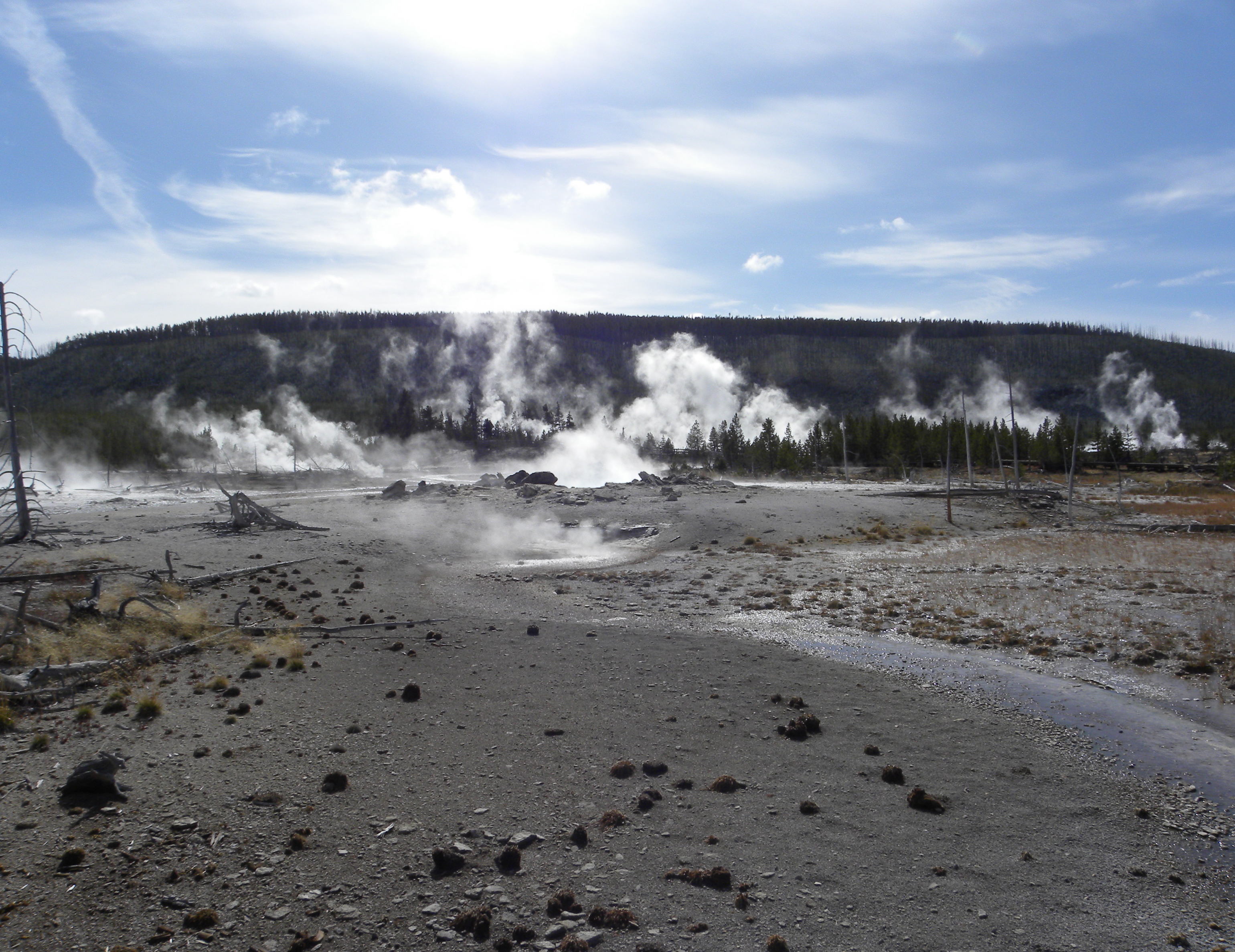
Norris Geyser Basin

mud pot

mud pot

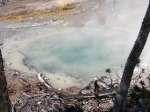
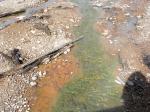
Colors in hot springs

Colors in hot springs

I realized that I’d overlooked this wonderful area.  Norris Geyser Basin has got to be one of the best geothermal spectacles in the Park, and yet its tucked way back in near the Junction so I think people whiz bye without thinking to stop.

Norris Geyser Basin

Norris Geyser Basin

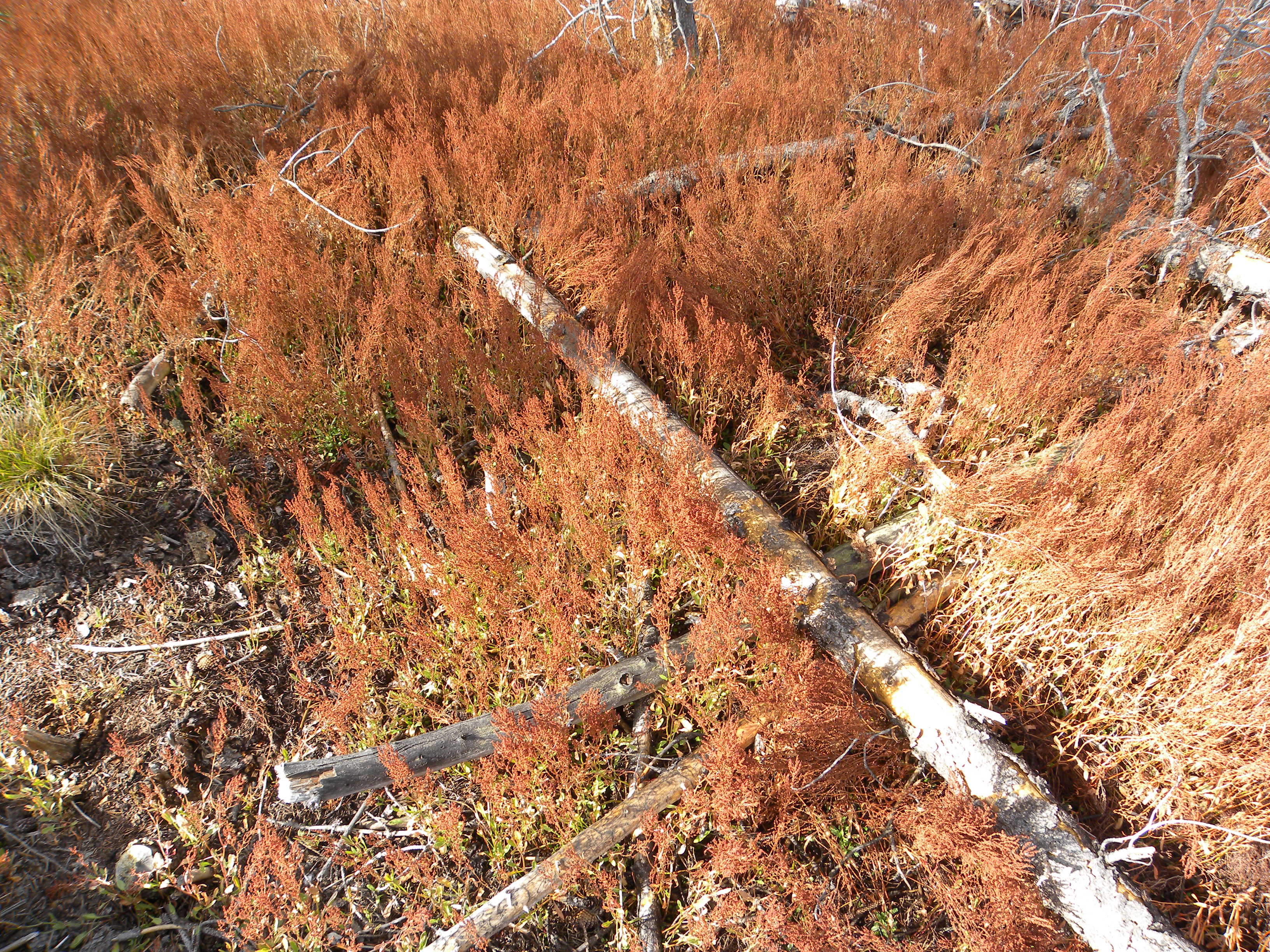
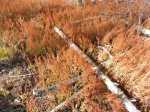
Hot springs plants in fall color

Hot springs plants in fall color

Norris

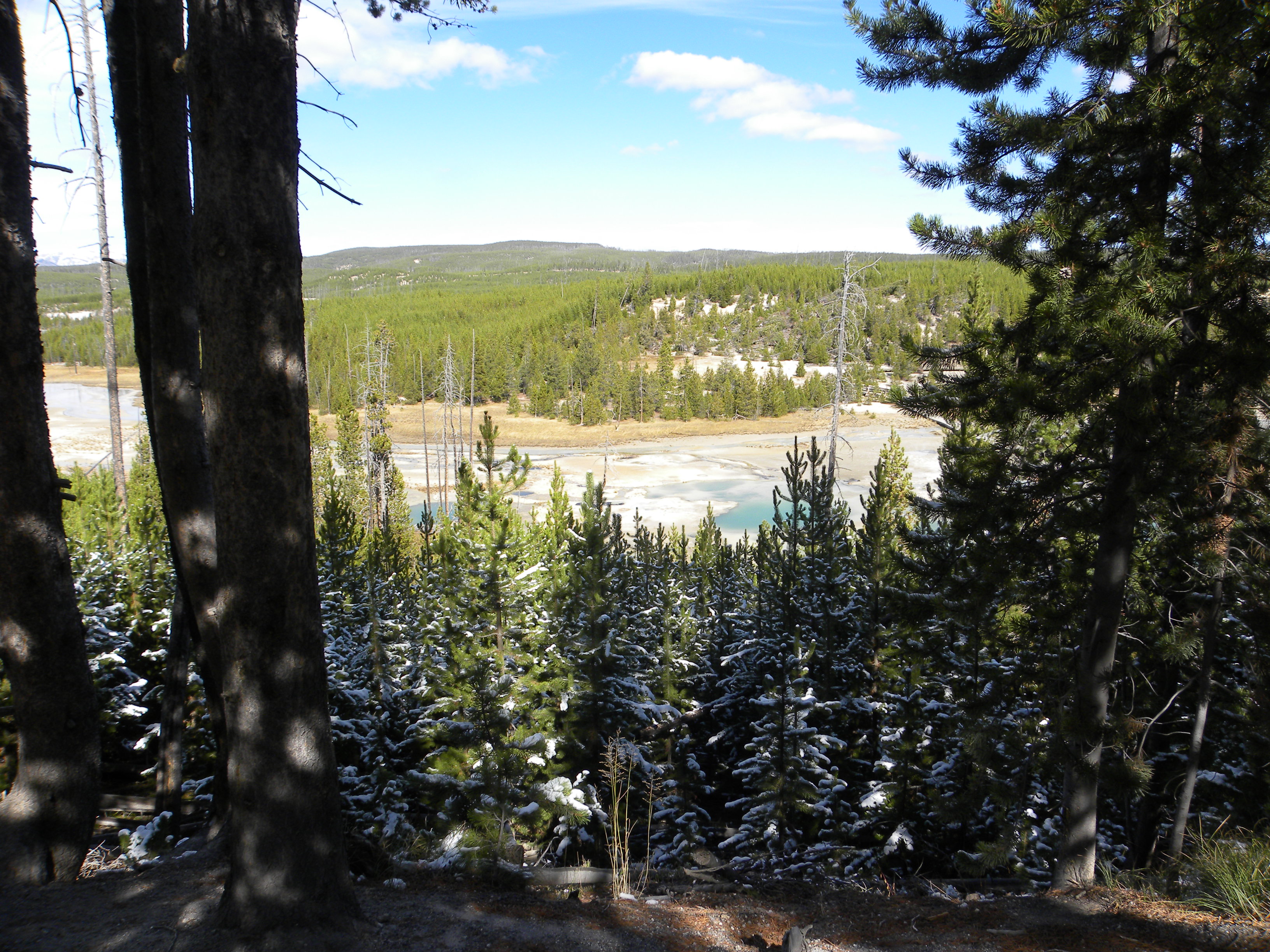
View of part of the lower basin at Norris

View of part of the lower basin at Norris

Once in the car and on the road we spotted some tourists standing literally at the edge of a hot pool in the meadow, taking photos!  Yikes I could just imagine that thin crust breaking and cooking them.  Really folks, that’s a stupid idea as those pools are hot.

After lunch at Mammoth, we headed down towards the Lamar.  We hadn’t gone too far when we spotted a wolf.   Besides spotting wildlife yourself, the trick is to watch the tourists.  Check for the ones with the spotting scopes set up.  These are the real serious wildlife watchers, usually looking for wolves or bears.

We parked and watched a collared wolf hunting voles in the grass along the river bank.  Every so often he’d pounce way up in the air for his prey.  One of the bystanders said “That’s a coyote.  I’m leaving.”  Well yes, the coloring was similar, but the size and shape of the head was the giveaway.  Besides, he had a collar.

Collared wolf.  Compare his size and colors to coyote

Collared wolf. Compare his size and colors to coyote

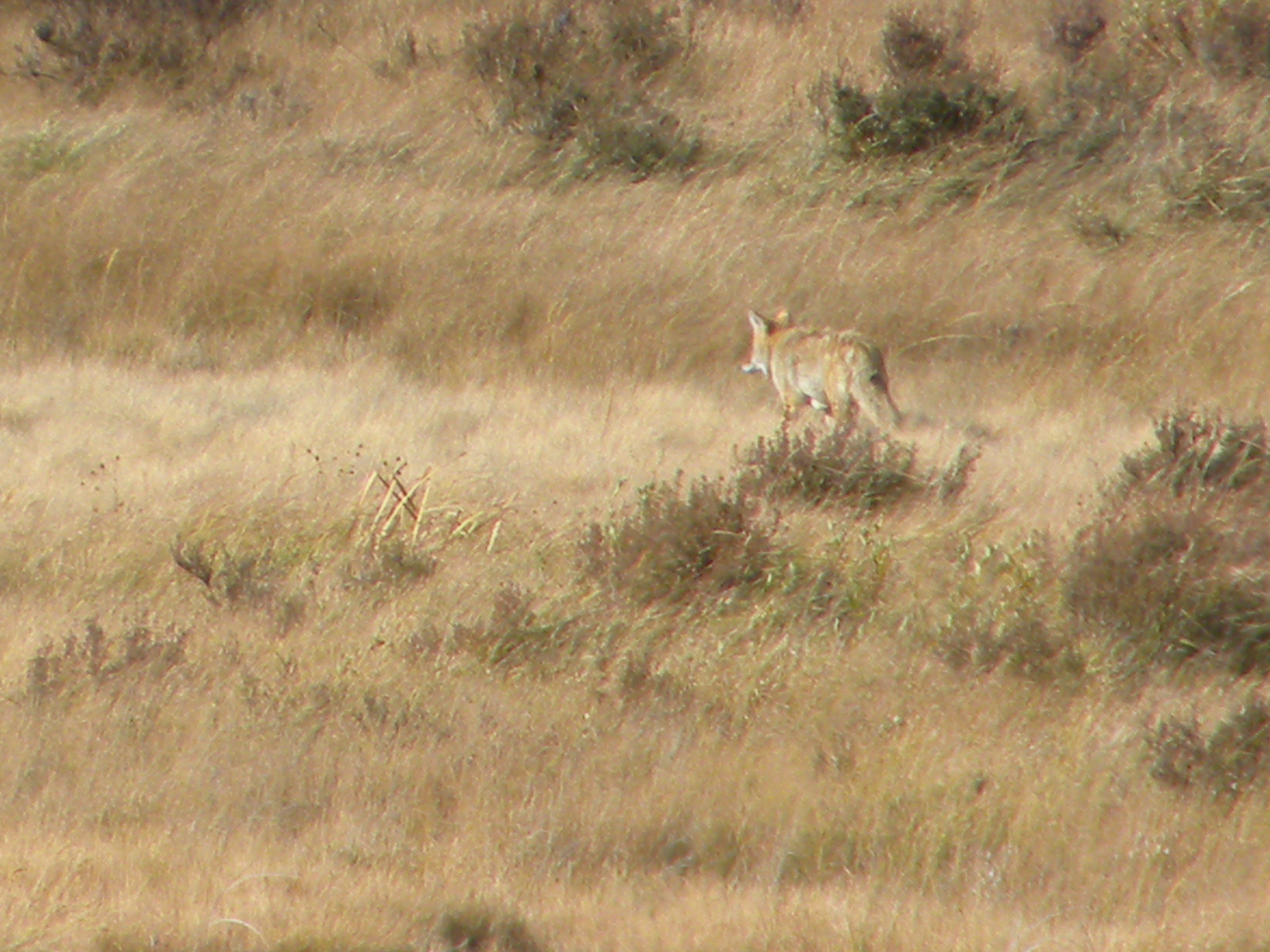
He (or she) looked pretty healthy.  No mange and that was good to see.  On down the road we saw about our 10th coyote for the day.  So many tricksters in one day, and all were busy hunting voles.  I’d swear the purpose of rodents on this earth is for eating.

Coyote hunting voles

Coyote hunting voles

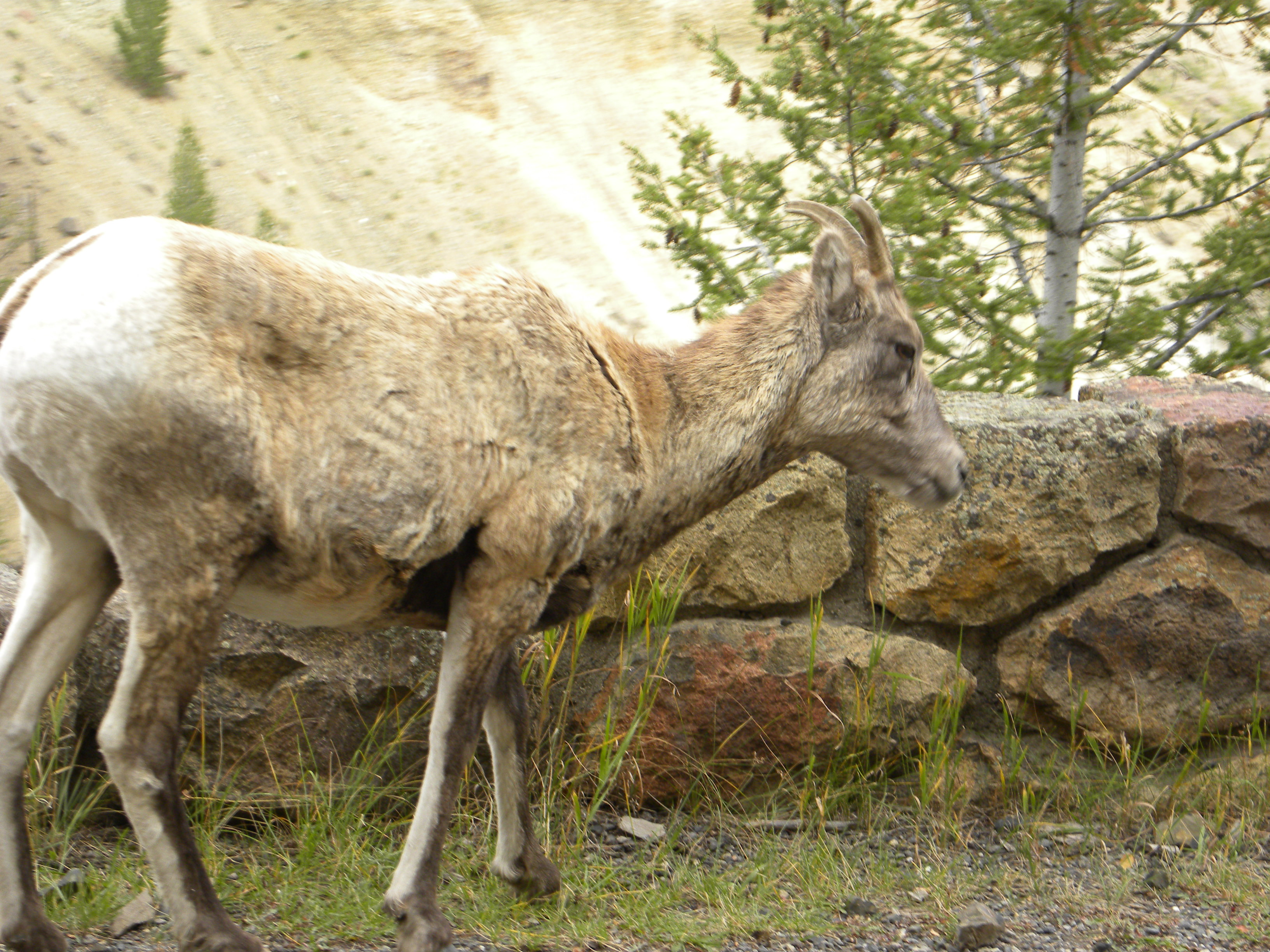
Although Dunraven was closed, we were able to get up from the Lamar side as far as the Specimen Ridge overlook.  Several ewes were grazing along the road.  It is incredible to realize that they get up and down the sides of these mountains with ease.  Way down below near the river there’s natural mineral licks they’ve used since ancient times.Ewe and view

Ewe

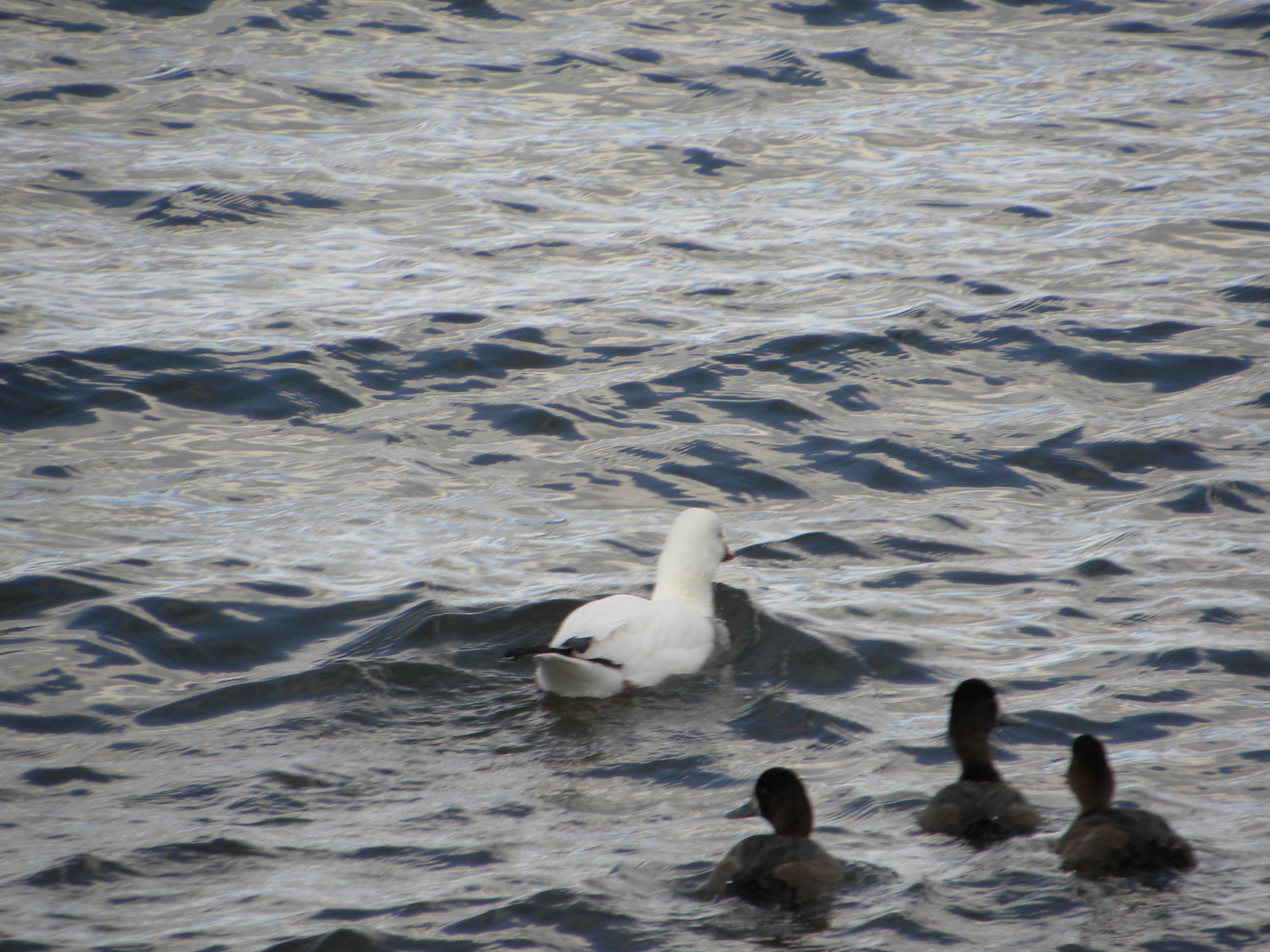
On the way out of the East Gate, we spotted a snow goose, rare in these parts.

Snow Goose

Snow Goose

All in all, we spotted six moose.  The last one was on the way out again, past the East Entrance, not too far from Pashaska Teepee on the National Forest.  Another nice thing is seeing Bison on Shoshone National Forest.  There are no grazing allotments on the forest outside the East Exit of the Park so the Bison wander there, especially in winter.  I sure wish Montana would ‘cowboy up’ and do the same at the North and West Exits.

All in all, for one day in the park that’s a lot of wildlife watching–6 moose, 10 coyotes, lots of bison and elk, one wolf, several bighorn sheep, trumpeter swans and various waterfowl.  A woman we met said she saw a cougar near Mammoth that morning.  One fall day in the Park can’t be beat!

Northfork moose

Northfork moose

Reefs, Bears, and the Beartooths

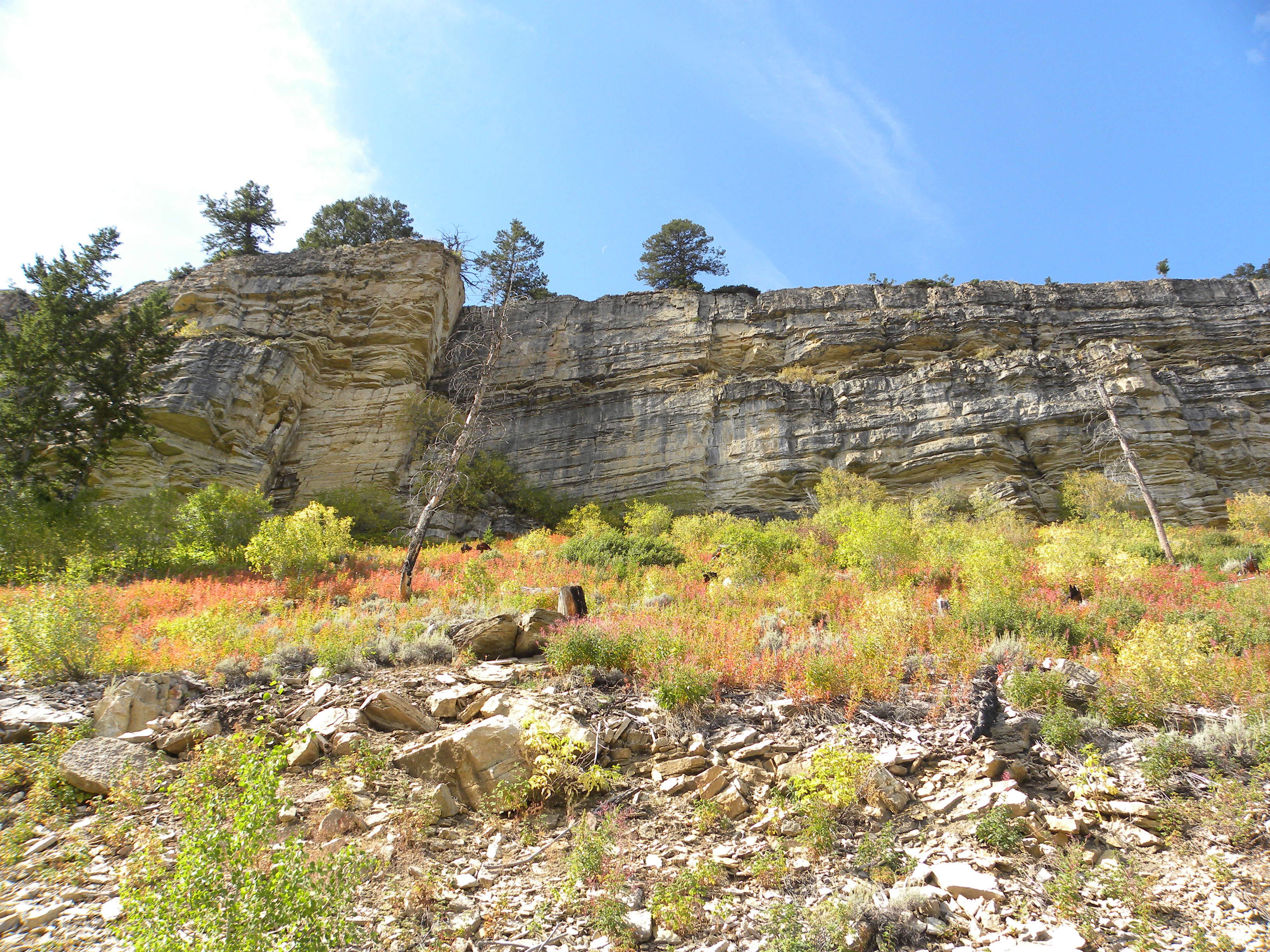
On of the unusual features of this area are the ‘reefs’, long cliffs exposed in the mountainsides.  There’s a beautiful area nearby that I’ve been exploring this summer called Reef Creek.

Reefs

Reefs

A forest service road winds precariously up to the top of the reef, where you discover you’re now driving on a totally flattened surface.  You can walk to the edge of the cliffs and its a sheer drop down.  Parts of the dirt road even look like they’ve been paved.  That’s because you’re on pure rock in areas.

I’ve walked the entire road in pieces including the uphill.  I finally discovered the road’s end (of course, many people have 4-wheeled to the end without walking…but to walk it is to know it) at a small creek, aptly named Reef Creek.  Beyond is a well maintained trail that loops over a pass and back into my valley.

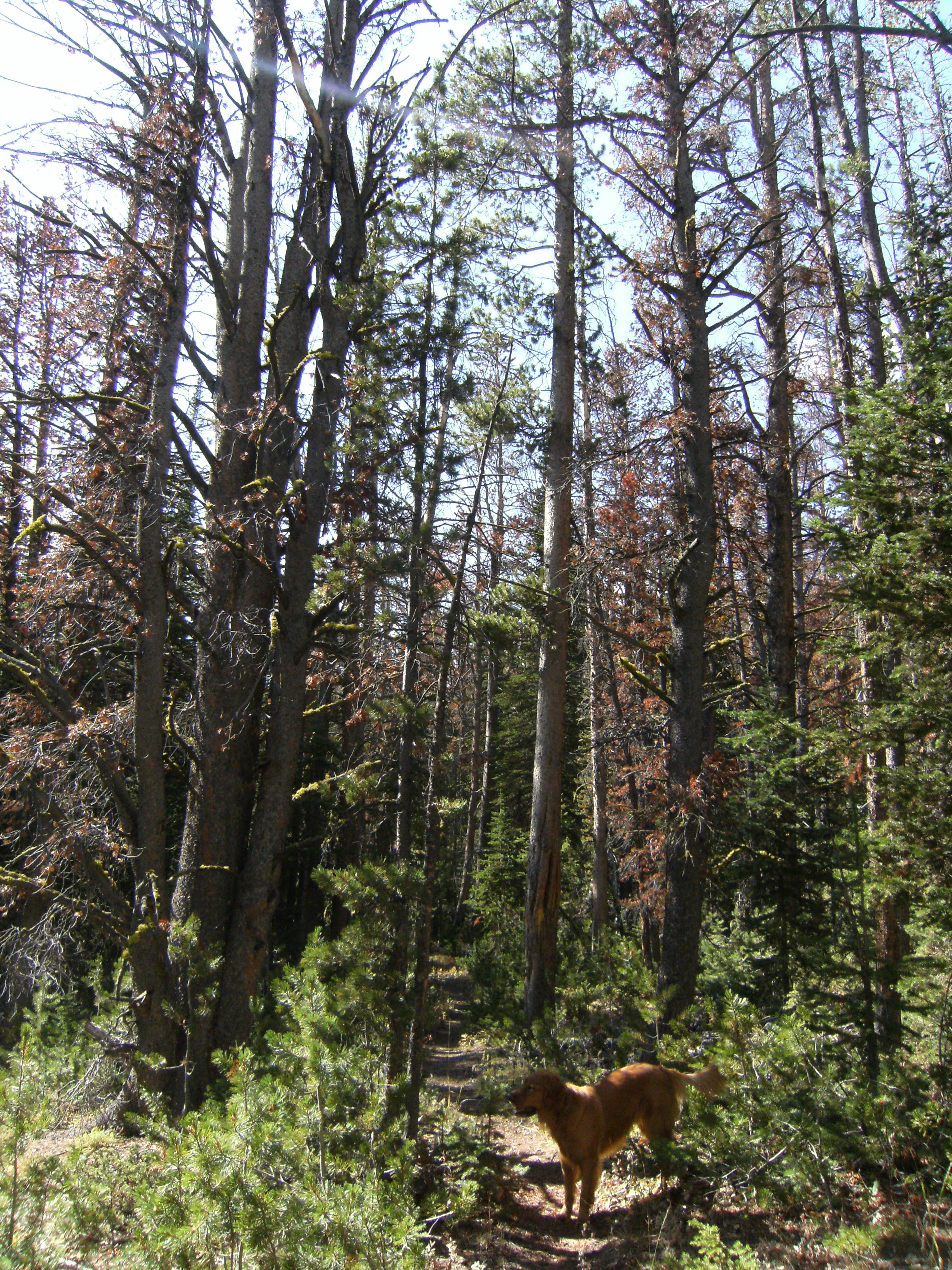
I hiked a few miles up the trail the other day.  The trail winds in high country, although fairly flat, and is home to abundant stands of White Bark Pines.  Alarmingly, most of the mature trees were dead from beetle kill.

White bark pines dead on Reef Creek

White bark pines dead on Reef Creek

I had seen old signs of grizzly scat with pine nuts in it.  I thought of the Great Bear and how difficult it must be to find viable cones.  Bears probably have their favorite haunts.  I imagined them returning here, only to find the cupboards bare.

I climbed higher and finally discovered a few niches of live mature stands.  There are young white barks alive among the dead, but they won’t be producing for 30 or 40 years.

I also encountered the newest addition to my tree list, Abies lasiocarpa or the Sub-Alpine fir.  Its beautiful smooth bark and christmas tree look make it easy to identify.  Abies, or true firs, always have their cones standing upright.  Picea, or spruce, have their cones pendulous (P in the Picea can stand for pendulous).  The botany lumpers and splitters seem to be warring again over exactly if there is a different species named A. bifolia that is almost a look-alike.  But for now, lasiocarpa is good enough for me.

Abies lasiocarpa

Abies lasiocarpa

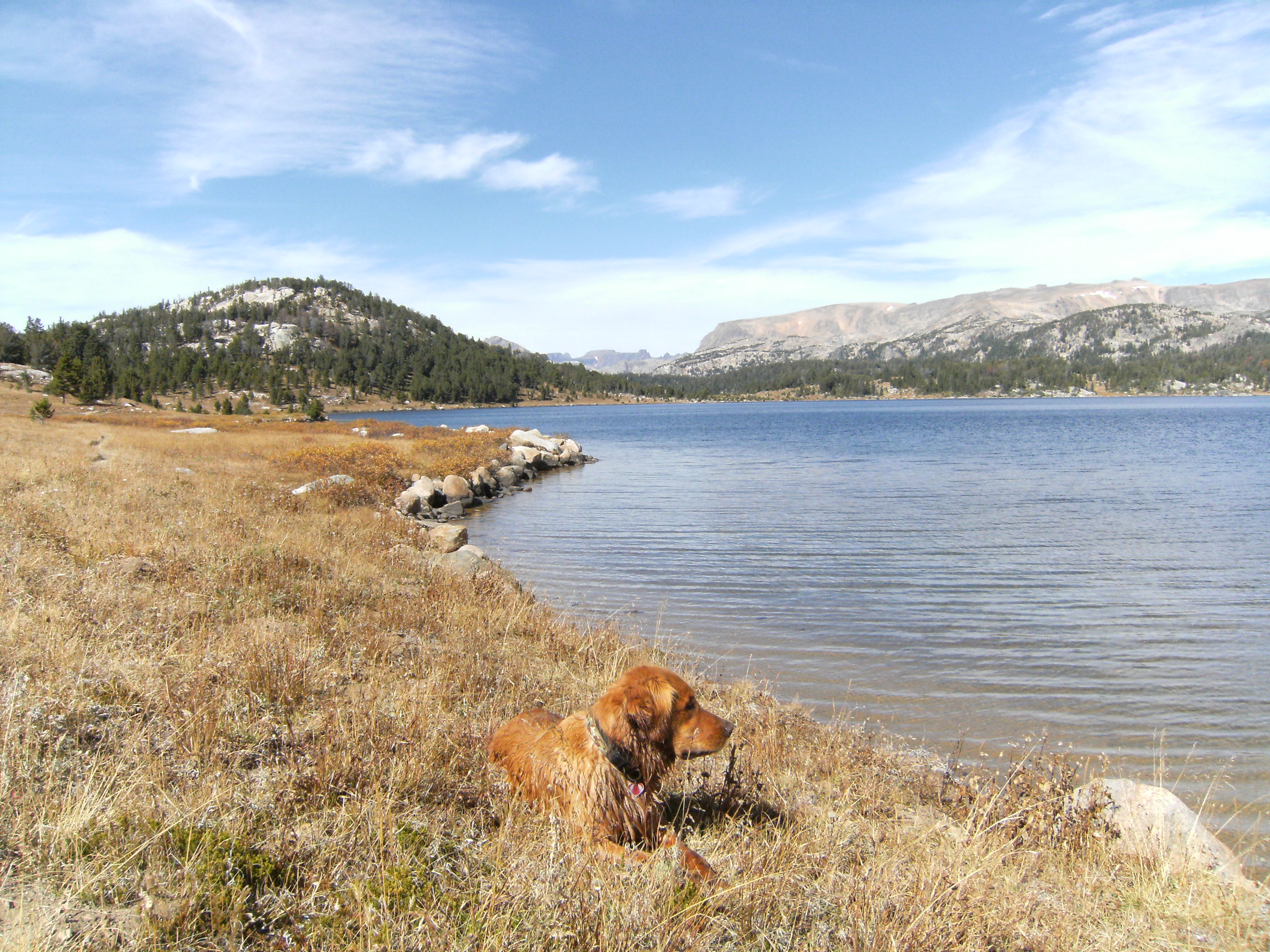
In contrast to this scene of dying trees, I took a ride up to the Beartooths just two days ago.  I wanted to see this gorgeous area before the road closed.  I was not disappointed.  The mosquitos were gone.  And better than that, I spent the afternoon hiking at Island Lake and didn’t see one person.  The White Barks I encountered around the lakes there appeared healthy although I have never seen much bear sign in the higher elevations of the Beartooths. One of the WG&F bear specialists told me that there aren’t many moth sites they know of there so it’s not a frequented area by many Grizzlies.

The afternoon was warm and I couldn’t have asked for a more perfect day.Beartooth in fall

Beartooths

Fish in the beartooths

Fish in the beartooths

Ahh, not a soul around

Ahh, not a soul around