• MY BOOKS ON WILDLIFE, GARDENING AND MORE

  • The Wild Excellence

  • True stories of wildlife encounters around the Greater Yellowstone
  • Award winning eBook on Decomposed Granite, tips, how to's, what to watch for
  • Children's book. True stories of a dog and wolves. In a dog's voice
  • Written for dry Mediterranean climates in California, north and south

Enjoying the sacred with an ancient poem

I settled at Cold Mountain long ago,
Already it seems like years and years.My 'Cold Mountain'
Freely drifting, I prowl the woods and streams
And linger watching things themselves
Men don’t get this far into the mountains,
White clouds gather and billow.
Thin grass does for a mattress,
The blue sky makes a good quilt.
Happy with a stone underhead
Let heaven and earth go about their changes.

–Early Tang Poet Han ShanDSCN0517

New ideas for lawns: Part 1 – Meadow-making with Red Fescue

Lawn replacements are hot!  We live in the West–a thirsty environment, so let’s adapt our plant material to our water and not the other way around.


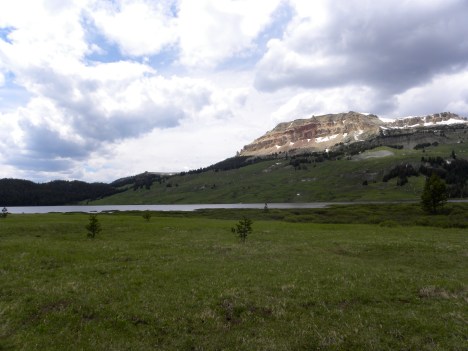
An example of a natural bunch grass meadow--nature's perfection

An example of a natural bunch grass meadow--nature's perfection


Here is one recipe for making a meadow.  I no longer use Festuca rubra or Red Fescue as a lawn substitute in California.  I am now using, exclusively, a native Carex or sedge, which I’ll describe in Part 2, coming later.


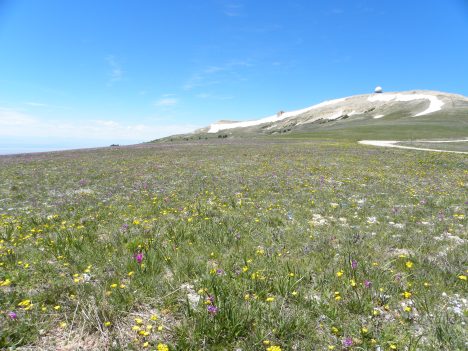
High altitude meadow

Meadow at 9000 feet with wildflowers


As a side note, my native grass mix  that I put together here in Wyoming is coming up very nicely.  I ordered a mix of Blue Bunch wheatgrass (Agropyron spicatum), Koeleria cristata, and Festuca–all natives to this area.  In early June, after I graded my new dirt road, I scattered the seed, raked it in, then watered it heavily for several days.  It rained every afternoon for several weeks and the new seed came up.  It’s still green and establishing nicely, and I haven’t watered it at all (now mid-July).  When the afternoon thunderstorms slow down, the grass might go dormant, then be covered with snow, but it will come up again thickly in the spring, and hold my steep road together.


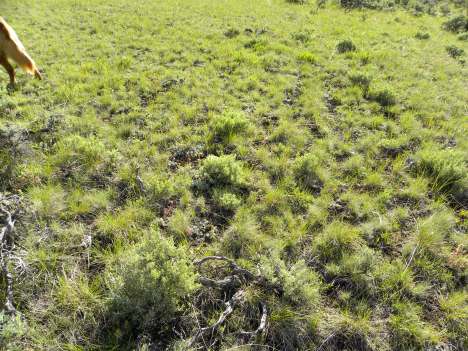
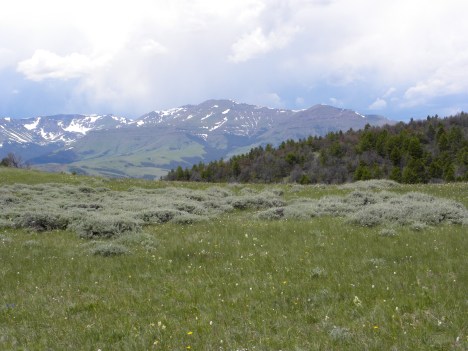
Meadow of bunchgrasses and sage

Meadow of bunchgrasses and sage


Making a native lawn or meadow requires ridding the area of non-native weeds and annual grasses.  The Wests’ native grasses are bunch grasses.  Bunch grasses give to the soil, while European annuals taketh away from the soil.  But since the annuals reseed profusely and our perennial bunch grasses take more time to establish, the annuals overwhelm the natives.  That is why this is the ONLY situation in which I use an herbicide.  Native grasses need a leg-up to establish.  I use Round-up because it breaks down fairly fast.  You may need to Round-up, water for 6 weeks, then Round-up again if you are overwhelmed with weeds.  If you don’t do this, then the natives can not get established and the ‘weeds’ will take over quickly.

Preparation of Seedbed

1. Remove weeds and non-native exotics.  This can be done by hand, preferably during winter months.  Well-established introduced exotics, e.g. broom can be cut at the base.  Apply Round-up to the woody stems.  Leaving the roots in the ground may prevent erosion until the new meadow is established.
2. If the meadow is on a steep slope (50% or more), lay down jute netting on the steepest slope sections prior to seeding.  Hold in place with irrigation pins.
3. Soil bed should be loose and friable.  If not, cultivate and add rich composted material to a depth of 2-3”, well mixed with existing soils, to a depth of 6” if possible.  If erosion control is an issue, or a leach field, you might not choose to cultivate as deep as 6”

Irrigation

1. The entire meadow area should be irrigated with pop-up spray heads that provide 100% coverage of the area to be seeded.  If this is not possible, the meadow must be seeded in the late fall/early winter and hand watered on a weekly basis for the first year.  Water regime can be adjusted based on weather, site conditions and seed germination rates.  Rely on winter rains when possible.

Seeding

1.  Festuca rubra, Red Fescue, is recommended for sun or shade.  This is a rhizomatous grass.  Allow at least 3 years to establish a thick, fully covered meadow.  Seed the first year with 5# per acre (43,00 sq. ft.  @t 400,000 seeds/lb.  Use 2 oz/1000 sq. ft. or use 3.7 oz/1000 sq. ft.)  Seed the following years as needed to fill in sparse areas.  If you want wild flowers, seed these heavily as well, 2 1/2 pounds per acre.  The grass will crowd the wildflower seeds out in subsequent years if not managed.  Grass and wildflower seeding should be done separately.  Seed grass first, taking care not to seed as heavily in areas where wildflowers are desired.  Go back and seed wildflowers, preferably by species in drifts for maximum aesthetic impact.
2. Another meadow grass seed to consider is Festuca idahoensis.  Rubra and idahoensis can be mixed.  Nasella pulchra and Melica californica can also be mixed in.  Mix Nasella at the rate of 20 lbs./acre (7.4oz. /1000sq.ft.) and Melica at 10-30lb./acre (7.4oz/1000sq.ft.) with the festuca at 3.7oz/1000sq.ft.
3. Bunch grasses can also be used such as festuca occidentalis, and festuca californica.  These can be mixed with the rhizomatous grasses to add more stabilization to a slope.
4. Seeds or seedlings of shrubby plants and/or perennials that are native can be also added.  For example, Baccharis is excellent for erosion control, as well as Toyon, Rhamnus, Artemesia, Mimulus, Lupine, Garrya, etc.  They should be seeded separately, by species, after grass and wildflowers are seeded.
5. For seeding over large areas, hydro seeding of grasses and wildflowers is recommended and hand seeding of woody shrubs and perennials.  Limit your wildflower selection to 2 or 3 species when hydro seeding.

Mulching
1. After seeding, apply 1-2” of fine mulch (forest mulch etc.).  Seed must make firm contact with the soil.  The best way to do this is either by using a roller, or laying plywood and walking over it to establish firm contact.  This can be done both before and after mulch is applied.

Maintenance

1. Irrigate immediately with a fine mist (15 minutes).  Water daily in the a.m. for 5 to 8 minutes until grass blades are visible or allow winter rains to force germination.  This must be monitored and additional water applied if rains are not forthcoming, and maximum germination is desired.  Fertilization is optional.
2. Observe closely for signs of germination.  Depending on time of year and weather, once germination is complete (6 to 8 months) reduce water to twice or three times a week for 8 to 10 minutes.
3. Pull any visible weeds, taking care not to remove wild flowers.  Don’t leave this job to a novice.  You will be sorry.
4. Continue to remove weeds, reseed in sparse areas and add more wildflower seeds in subsequent years.  Mark the areas where you newly seed.
5. This process should continue for the first 3 seasons.  Thereafter, your meadow will require little maintenance
6. Cut the meadow back 1 to 2 times per year.  If you want a green meadow 12 months a year, summer water is required.
7. Remember, meadow making is a process.  Be patient and enjoy the journey.

Part 2 will come soon.  Part two will describe using alternatives to fescues for meadow making.  I prefer these because they require very low water and do not need cutting at all.

Poised to be a dreamer for bison

Bison are on my mind.

A tiny slice of what once was

A tiny slice of what once was

There is already a lot written about Yellowstone Bison being hazed, killed, confined and abused. Our last remaining wild herd, a mere 3000 out of 60,000,000! And it is hugely controversial.

Calves and moms

Calves and moms

In my own mind, Yellowstone is not the issue. This controversy is small  (and I don’t mean to minimize it at all) compared to the largeness of what should be being addressed. I suggest the real issue begins with restoration of wild bison to larger tracts of land, rather than the confinement to a zoo-like existence.

I hike the mountains to the East side of Yellowstone and encounter old Bison bones, teeth, and sometimes skulls. This was their habitat—the mountains, valleys, and plains. It’s easy to imagine chance encounters with these beasts in the woods, or roaming the valleys where the summer herds of cattle presently reside. I watch the cows. Their presence doesn’t move me. There is a dim hint of intelligence there and no magnificence.

I move cautiously through a herd of cattle grazing on Forest Service land. Today a huge mama stood her ground on the trail, swinging her head back and forth as if to warn me not to get too close to her baby. I chided her and she sheepishly moved away into the watershed below, a product of centuries of breeding the wild out of her. A bison on the trail would have been something formidable, nothing to mess with. It would have chided me and I’d have given him large berth. Meeting a bison, my wild yet cautious nature, instead of my hubris, would have stepped forth. That is the kind of contact that serves me well, serves my depth of being.

A modern day Bison walking the road

A modern day Bison walking the road

Lewis and Clark talked of seeing 10,000 bison in one glance, at times so unfamiliar with humans that they’d come right up to investigate. One entry noted how a calf was following them back to camp. Our land grew up with bison. The bison educated the bunch grasses. Their wallows were important sources of seed banks. Their tough hides and instincts served them well in the blizzards of the Plains. Their meat fed the peoples, their skins and hides warmed them and were their shelters.

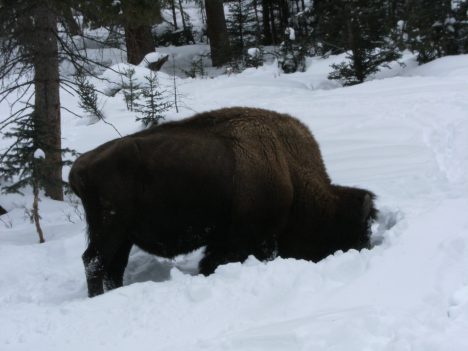
They are adapted to survive the cold of the plains

They are adapted to survive the cold of the plains

When Europeans came here, they brought what they knew, their wheat and cattle. They renamed places to remind them of their homes—New England, New Hampshire, New York. They almost brought the bison to extinction in order to exterminate the Native American population.  One hundred and fifty years later, amazingly, we are still defending our cattle instead of restoring what belongs here, what has evolved here with the grasses, the weather, the wildlife, the watersheds. We spend time, effort and money restoring damaged ecosystems, but fail to include the keystone species of the Plains. After 150 years, I am amazed that we still defend our injustices and our cattle, instead of publicly apologizing and making a way for the bison.

Footprints

Bison Footprint

Once someone has visited the Lamar Valley in Yellowstone (or even seen a working ranch of bison) and watched the bison, they can’t tell me that they have the same pleasure sitting and watching cattle graze. There is something so primeval, so basic and ancient, in hearing the mysterious grunts and sounds of the herd, seeing a buffalo paw through snow for food, or a herd lined up following a leader making track through deep snow. This is a pleasure that needs to be reinvigorated, expanded. We can begin to make up for old transgressions and reinvigorate our connection to wild nature at the same time. We can begin a new conversation.

The Storm

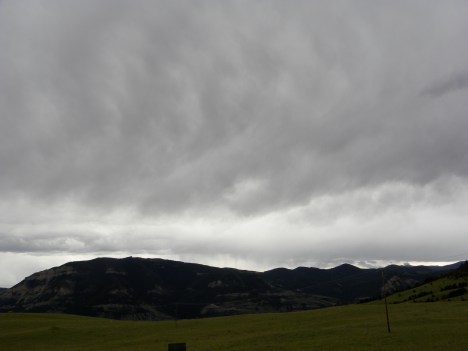
7pm the day before the morning of the storm

7pm the day before the morning of the storm

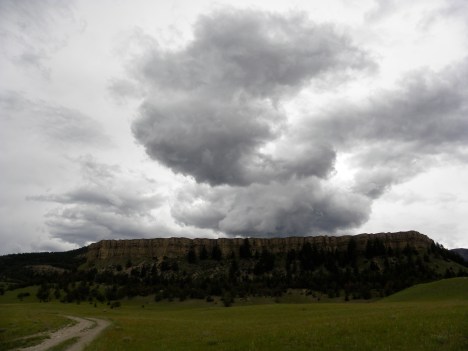
Another view 7pm to the north, clouds roll along a butte

Another view 7pm to the north, clouds roll along a butte

Last night I was witness to a staggering spectacle, an event no man can control, manipulate, make signage for, run through pipeline, or build out of concrete.  Maybe it was predicted on the evening weather report, but those are only small thoughts compared to the largesse of this event.

A storm rolled in and in and in, all night, Mostly dry lightning. Even few seconds deep booms filled the air, followed by flashes, sometimes from the eastern sky, other times from the north or west. Sometimes sheet lightning, other times forked. An ancient waning moon played its’ light between large clouds, illuminating the night landscape, then hiding and allowing the flashes of lightning to eerily cast shadows, blindingly, for a few seconds.

Light rain fell, then paused.  The lightning, the thunder, the moon, the slow moving clouds continued for hours.  It was a massive concert, with many movements, orchestrated by an invisible conductor, hardly any audience to appreciate it since it rolled throughout the late night.

At 11:00 I looked out the window.  The sky was fairly clear.  The night was silent.  The moon played behind the clouds in a beautiful inviting way.  Something drew me to sleep outside.

I grabbed my sleeping bag, and an old buffalo hide, and laid out on a couch I have set under a covered porch with a view of the north, eastern and western sky.  Wyoming skies are like no other, broad and sweeping, punctuated with fabulous rugged mountains and reef cliffs—this was my view.  In the bright moonlight, the colorless landscape was of haunting beauty.

I set up the bag, got comfortable, and began watching the play of Venus, the clouds and the moon. Without me planning it or knowing what was arriving, I became witness to hours of torrential beauty, a shock and awe of natural wonder I’d never witnessed before.

When I was six years old, I went away for the summer to a camp in the mountains, my first exposure to the mountains.  I remember my first mountain storm as clearly as the ‘ah ha’ of learning to ride a bike.  Sitting inside a cabin, watching from a window for an hour, the storm moved across the sky, vibrating my little body.  It was the first of many such experiences.  I went to that summer mountain camp, far from home, every year for most of my youth, witnessing many storms, sometimes seeking shelter from their surprise and quickness.

I’ve observed great summer storms in the wide skies of the mid-West.  But this storm was a thing of utmost beauty.  As I lay outside, sheltered with a wide view, the never-ending play of light, dark, deep resonance, moving in slow rhythm across the sky rivaled any natural wonder I’ve ever witnessed.   Like good music, soon I was a participant.  The storm lifted me up into it.  The dog sat nearby on the lawn, equally awed, sometimes moving out of the brief periods of rain to shelter.

By 4:00 am, having dozed in and out of sleep, Koda and I moved inside for better rest.  He let me know his preferences by coming over and nuzzling me as if to say the show was over.  I felt like thanking someone–the orchestra’s expertise, the conductor’s skill, the patient audience of this thin lithospheric crust of life.  It was only natural.

Thank whoever it is you thank that man has not learned, and never will learn, to control the weather.  It is one of the last of wild nature we have before us, to humble, to remember the sacred.  Our own wildness, the essence of who we are, is precisely contacted  in the midst of events such as these.  I bow down.  It is only natural.

Heart Lake

I took a few days off and went into the park.  My plan was to hike into Heart Lake, possibly around the lake if the ford was passable.

Heart Lake view

Heart Lake view

I wouldn’t exactly call going backpacking in the park ‘wild’.  It’s wild in terms of the animals that you have to watch out for–grizzlies, moose, bison.  But the back country is very regulated.  That’s a good thing; and a bad thing.

The good part is that registering and being assigned designated campsites each night assures your safety and especially preserves the park.  There are bear poles at each site; there are only a certain number of sites in order to preserve the wilderness and your solitude; and a ranger who is stationed at Heart Lake checks on your paperwork and informs you of bear activity.

The bad thing is that its hardly a wilderness experience.  I actually had trouble getting a campsite for 2 nights because the Park Service now lets people reserve sites in advance for $20.  Or without a reservation its free.   This was the second time I’ve tried to get in and was lucky to find a space.

Enough of the gripping.   I can say that Heart Lake is well worth the 8 miles to get in.  Its a unique and beautiful spot with natural thermals right at the Lake.  Mt. Sheridan presides over the lake, while moose, elk, and grizzlies hang out there.  I would too if I were a grizzly.  Lots of wildflowers to see, plenty of bird activity.

Dusk

Dusk

Thermals

Thermals

The mosquitos were bad as we’ve been having lots of late rains.  With a little wind, they are quite tolerable.  I was having some foot problems so I didn’t do much hiking except the 16 there and back with an overnight.

Mt. Sheridan at dawn

Mt. Sheridan at dawn

Dawn

Dawn

Highly recommended and an easy fairly flat hike.

Camassia quamash-most prized food of the first Americans

Camassia quamash-most prized food of the first Americans

Decomposed Granite Patios

I’ve done 100’s of decomposed granite patios and walkways in northern California and learned a few things as I went along. 

When I first began, the industry didn’t have a ‘hardener’ that you could add.  That made for a semi-successful installation, because in the winter your walkway was mushy at best.  With the advent of hardeners, the DG comes out quite nice, with minimal mush.

Get the DG pre-mixed with the hardener (some landscape outfits will deliver like this) or mix on your own in a wheelbarrow per the proportion instructions. 

Prepare a bed that’s about 5″ deep.  Use an attractive edging.  I am totally committed to Ryerson header, which is a thin hard steel that’s bendable.  That’s because it disappears.  It is expensive though, comes in 16′ lengths with its own stake.

The other plastic headers are ugly.  An alternative are the many colors and types of Trek, which is a recycled plastic material.  Use the 1/2″ wide size.  The advantage is that its more bendable than the steel, but it doesn’t disappear, so its part of your project design.

How to Build a Decomposed Granite Patio

Lay down several inches of road base and use a compacter to compact it very hard and tight.  Order enough DG to lay down 2″ on top, compacted.  Then here’s the secret:  apply the DG (with the hardener mixed in good) at the rate of 1/2″ at a time. 

Then compact.  If you apply too thickly, the stuff won’t harden well.  The DG has to be moist when putting it down, but not sloppy.  Compact 1/2″ at a time till you have your desired height.  Sprinkle with water.

Another method I’ve used quite successfully was told to me by the contractor at Strybing Arboretum in San Francisco.  All their paths are done this way, and they get tons of traffic. 

For this method, DON’T use hardener.  Apply a good road base foundation of several inches, maybe 3 or 4″.  Then apply only 1/2″-3/4″ of compacted DG.  Essentially this is a dusting. 

You will have to reapply every few years depending on your traffic.  I used this method for a patio over 4 years ago and still have not reapplied.  I think this is a superior method because you completely eliminate any winter mushiness.  Even with a hardener there will be some mushiness.

Some warnings:  DO NOT try to apply a hardener after the fact.  I once went to a potential job where the gardener had installed a walkway, then put the hardener in after he was done. Oh my God!  What a mess.  The whole thing had to be removed and redone.

Decomposed granite path

Local fines used as Decomposed Granite

Closeup of local fines and 3 Rivers Paver inserted for effect

Closeup of local fines and 3 Rivers Paver inserted for effect

Next warning:-  Do not install DG directly  next to an indoor situation.  DG tracks.  It’s granite and granite gets on your shoes and gets in the house.  You need at least a few steps (not many) before you go inside. 

My son’s elementary school built a new gym for millions of dollars.  The landscape architect speced DG as the hardscape all around the gym.  That was a disaster.  All those kids tracked that DG into the new hardwood floor and ruined it!  They finally installed concrete as a spacer.

Decomposed Granite grey

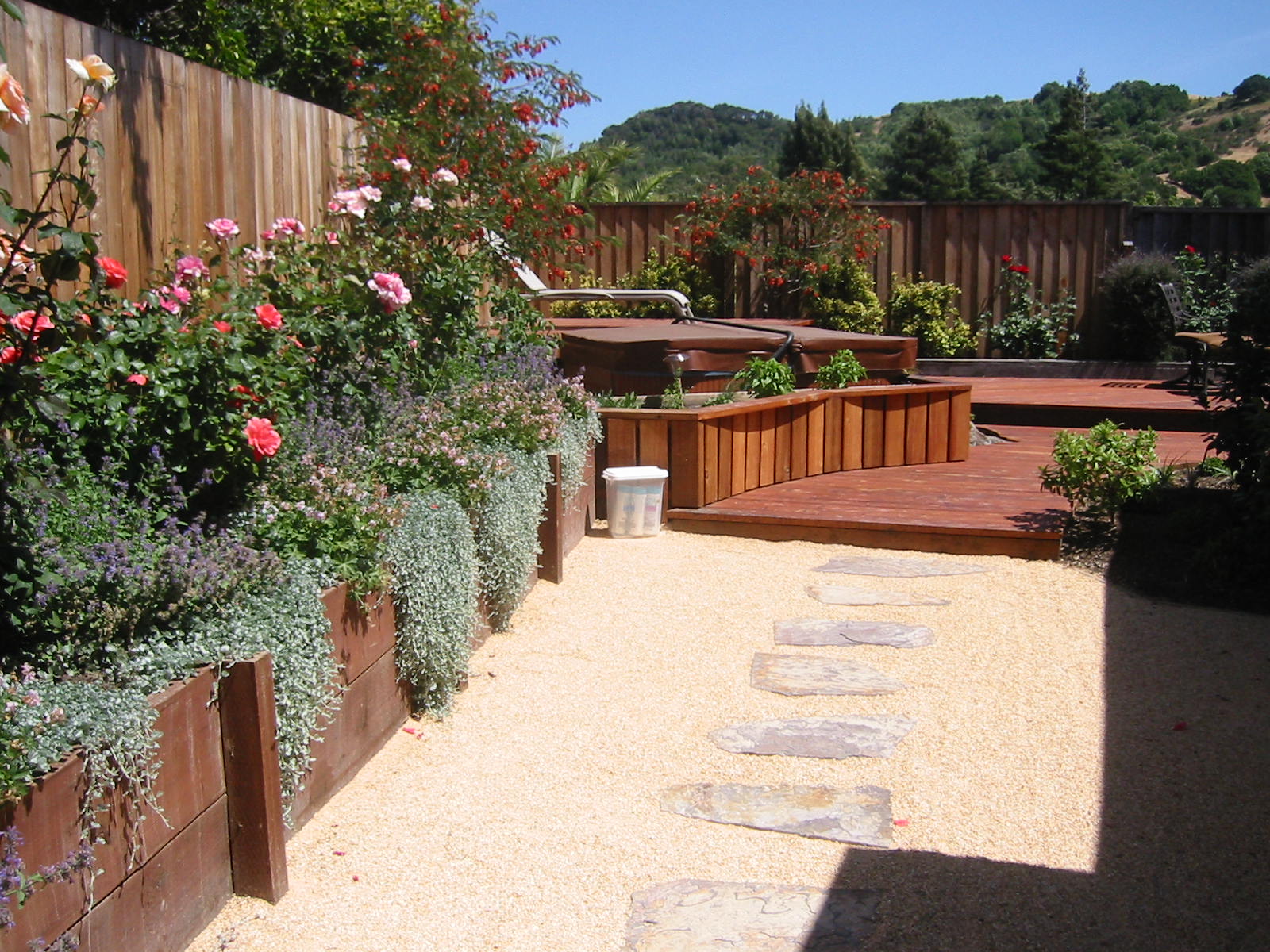
Decomposed granite patios

Next, the materials.  Of course, every area is different.  DG in the Bay Area came in gray, gold, or dirt brown.  I’ve mixed them for different colors.  Don’t be afraid to experiment a bit. 

A new rock came out on the market from a local quarry that was cheaper (DG is expensive.  Last I looked it was around $80/yard!).  I was able to get ‘fines’ and used that successfully with the hardener for a coral color.

Anoter view of sunken DG patio

Decomposed Granite patio with edging

Decomposed granite ryerson header edging

Decomposed granite patio and ryerson header edging

For patios, (see my complete post on patios)I usually don’t like to have a visible drain, so I put the drain(s) on the outside in the shrub area.  The exceptions are like the previous post with the photo of the sunken patio.  Of course, I had no choice.  But really, always remember your drainage.

One neat new alternative to DG is permeable concrete.  Its more expensive than ordinary concrete, but it is nicer, much nicer, on the environment.  Its fairly new and my understanding is that a good powerwash in the spring opens the pores and keeps it permeable.

Permeable concrete

Permeable concrete

Permeable concrete closeup

Permeable concrete closeup

If you found this short entry useful, but need more information, click on this link for my full downloadable eBook on patios and walkways, priced at only $2.99.  I’ve collected hundreds of real-life questions from do-it-yourselfers and all those questions will be answered in this short pamphlet.

I’ve also included information on DG  pricing, colors, how to customize colors, and drainage.  If you are not sure if you should use DG or another material.

I discuss the advantages and disadvantages of concrete patios and their preparation, mortared flagstone, flagstone on sand vs. flagstone with DG, as well as how to prepare gravel paths and patios.

Chock full of information in just 46 pages with additional color photos.  If you like the eBook, please comment in the Amazon section.  I appreciate all my readers and thank you all very much.

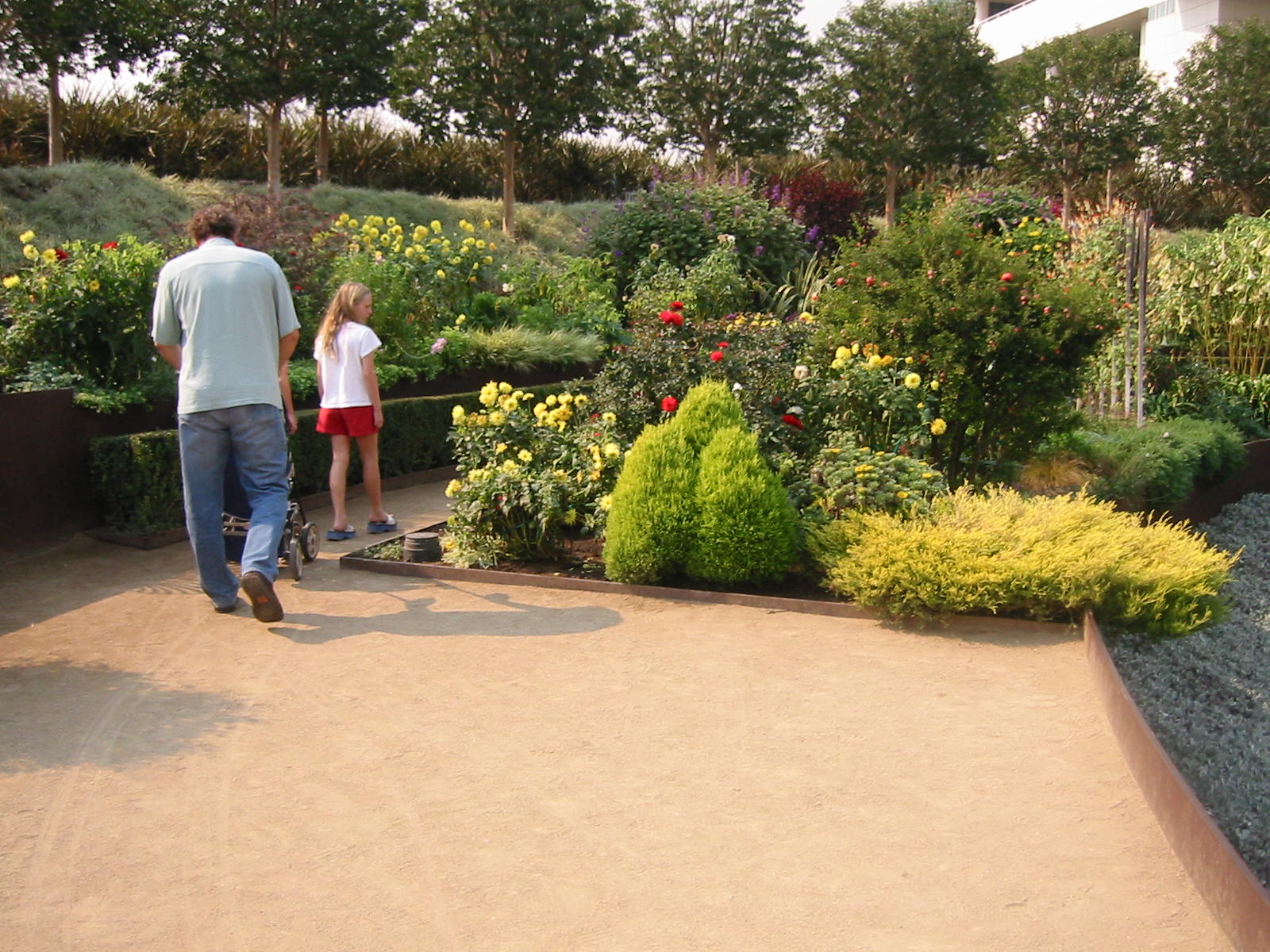
Decomposed granite patios Getty museum LA

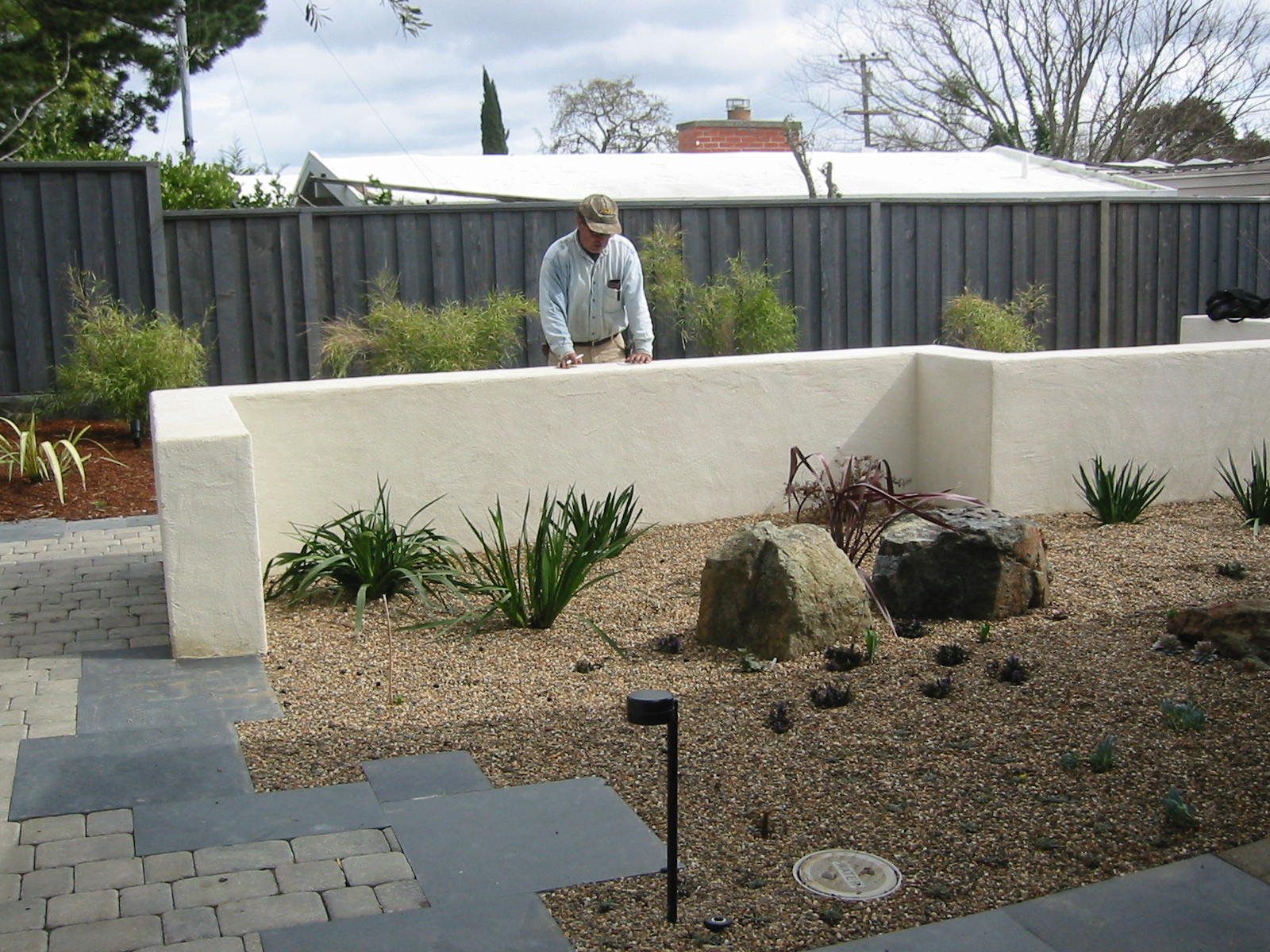
Calstone pavers

Calstone Pavers using Slate squares as the ‘edging’

Read More Information about Decomposed Granite Stabilizer

A surprise walk

Its starting to feel like the Canadian Rockies here, raining every day, even if just a little bit.  Last fall I had driven up an old fire road that’s usually closed.  I wasn’t sure if they only opened it in the fall for hunters, so I took a drive over there, and sure enough, the road was closed and the gate locked.  I parked and walked up the dirt fire road that leads to high meadows.  This area was home to the ’88 fires and the lush undergrowth shows it.

There’s been so much rain that the forest is lush.Lush forest

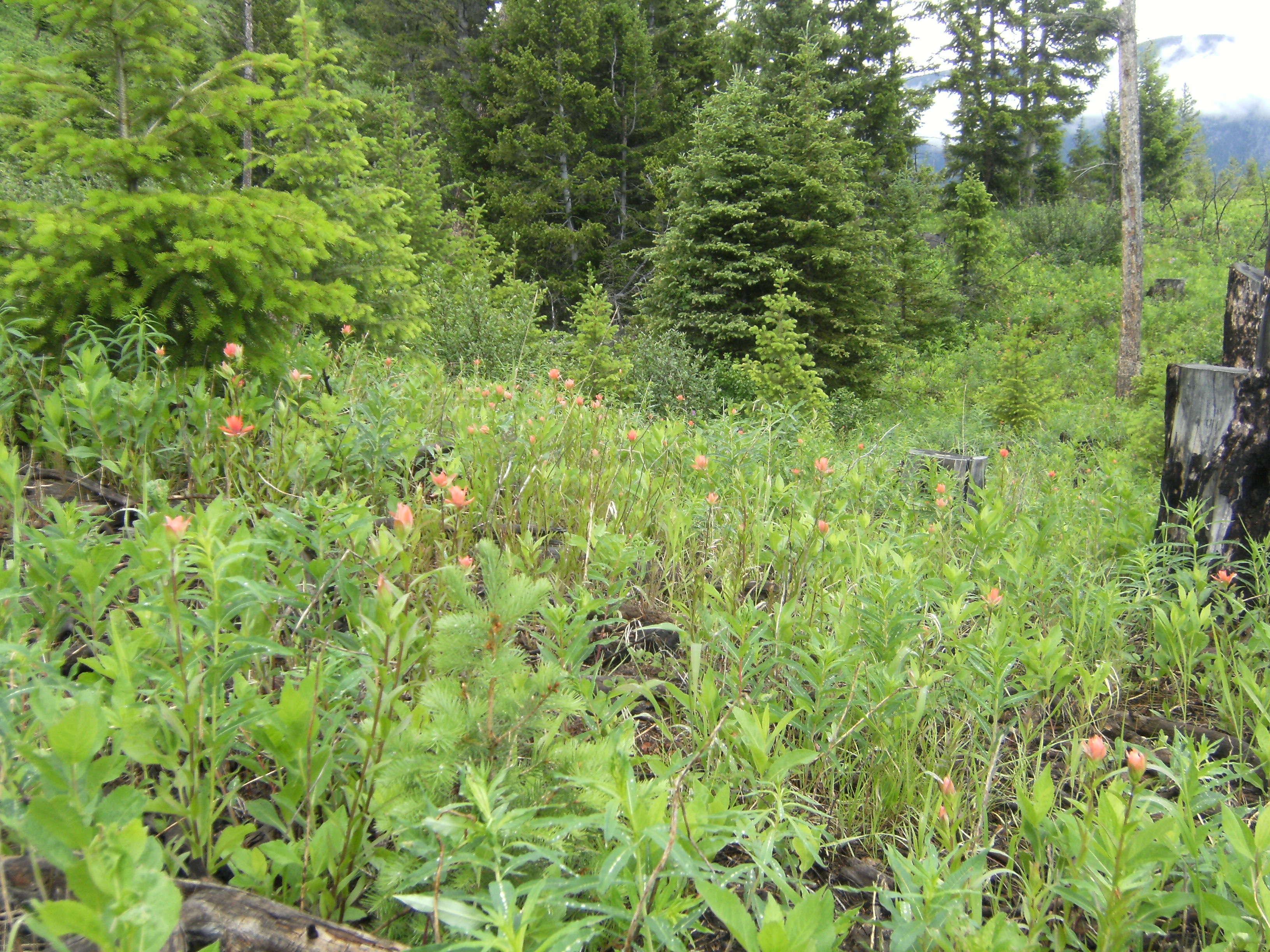
More and new wildflowers appear every day.Paintbrushes

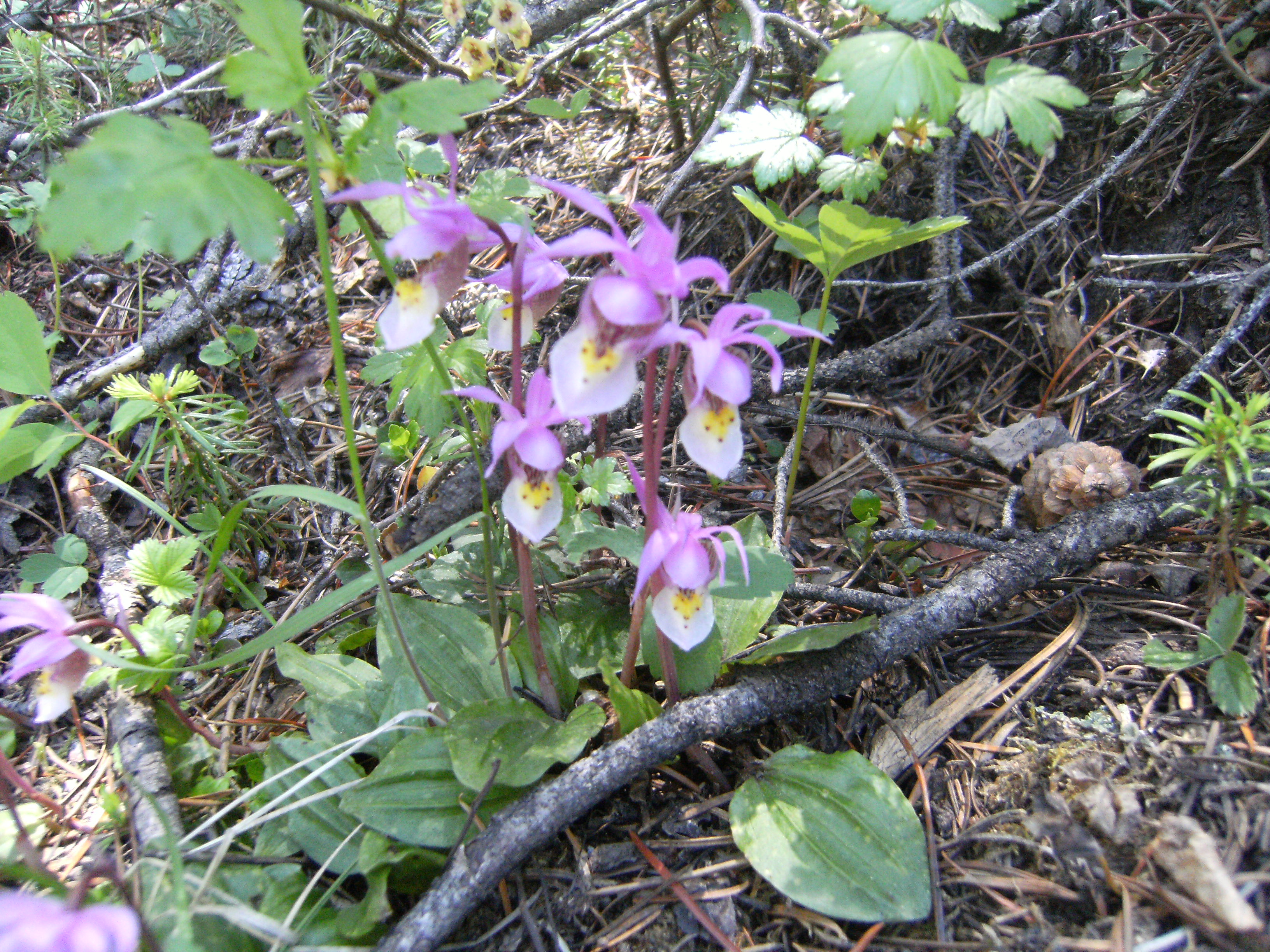
Calypso bulbosa - Fairy Slipper Orchid-endangered

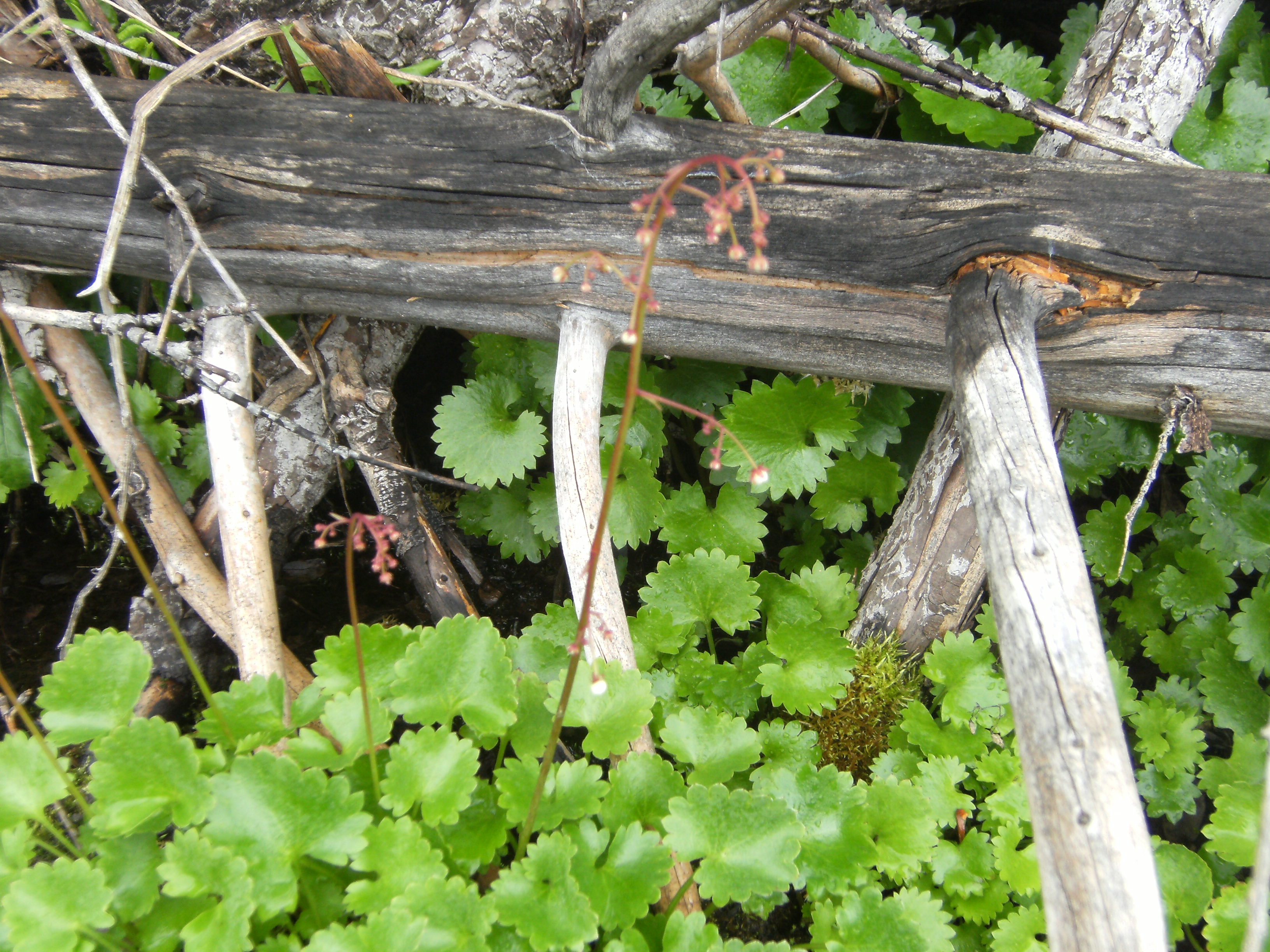
Saxifraga odontoloma

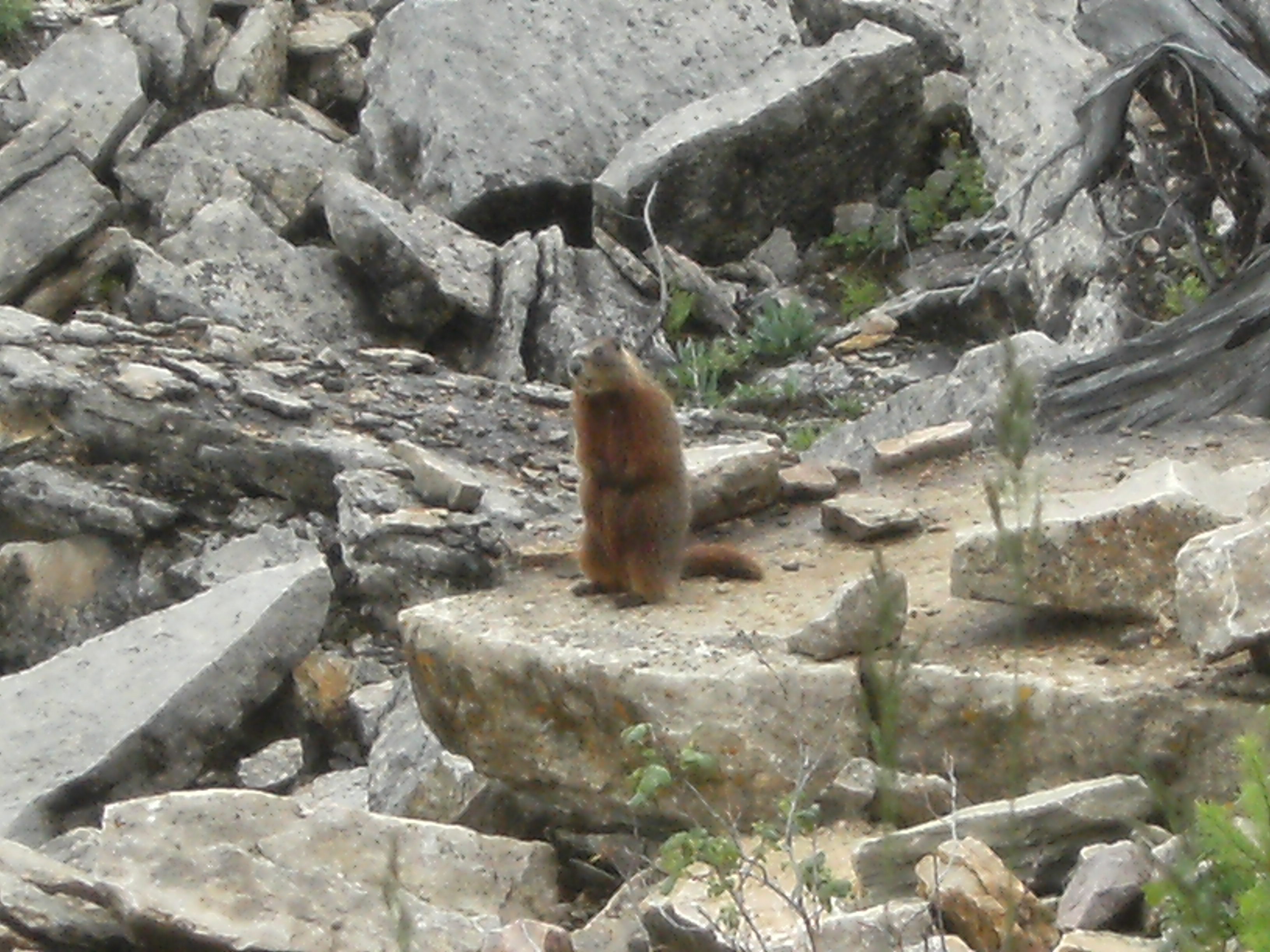
A loud almost bell-like sound announced the presence of a marmot hanging in the rock pile below us.  Koda went crazy.  He knew he couldn’t get to the marmot, and that fat marmot just kept teasing him.Fat Marmot

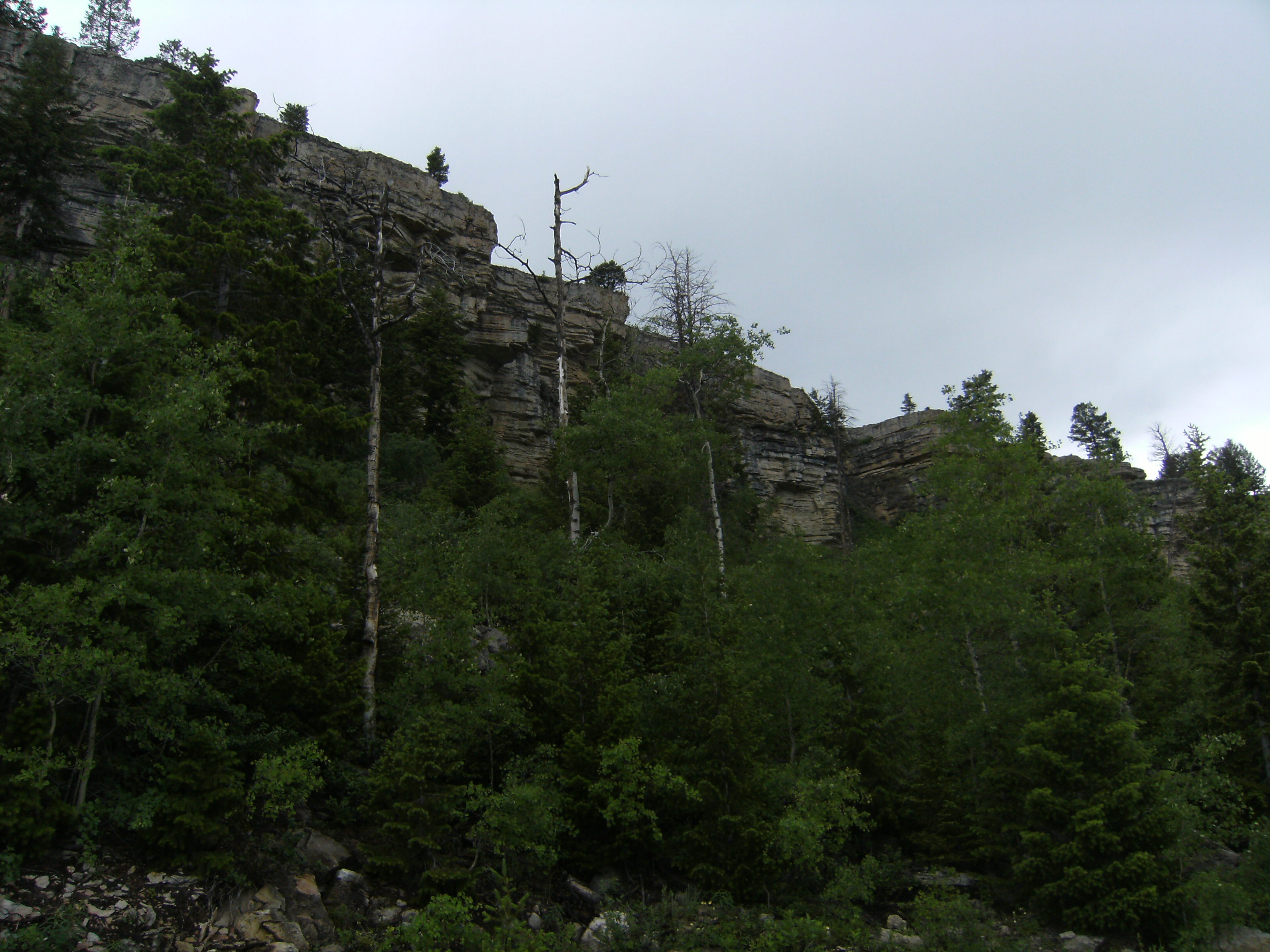
As we ascended higher, the reef cliffs came into view.  A Golden Eagle sat in a tree near the old road cut.  Our presence caused him to take to flight.Looking up at the limestone reef

There was a lot of fairly fresh grizzly scat along the road, but the only recent prints were elk.  Occasionally there were faint bear tracks, and it seemed like there might be two bears, indicating a sow and cub.

Pretty fresh bear scat.  Can you see the penny at the right for size?

Pretty fresh bear scat. Can you see the penny at the right for size?

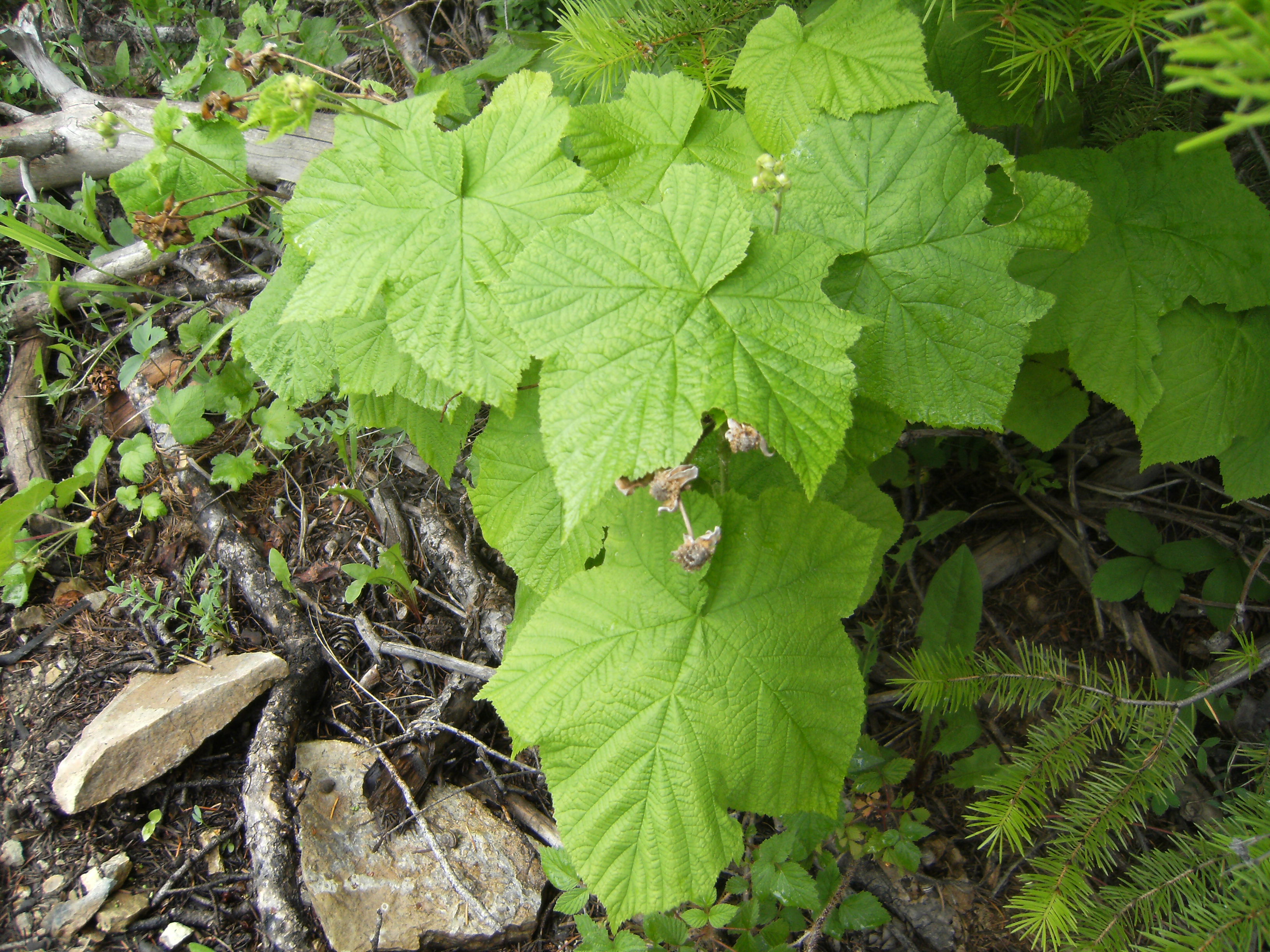
Along the road, there were lots of berry bushes–thimbleberries and raspberries.  A perfect place for bears in the fall as well.

Thimbleberry

Thimbleberry

Way up near the top of the ridge, I suddenly heard a loud high-pitched consistent chirp or call.  I thought it was coming from a large bird and looked towards where I heard the sound, down the hillside.  Meanwhile, the smart animal with me, Koda, was looking up the hillside into the wooded bank.  I turned around and there was an elk in the timber.  Confused about the sound, it seemed to have been coming from the elk, although not at all like the bugling I’ve heard in the fall.   It was a contact call I found out later, between that elk and her calf.

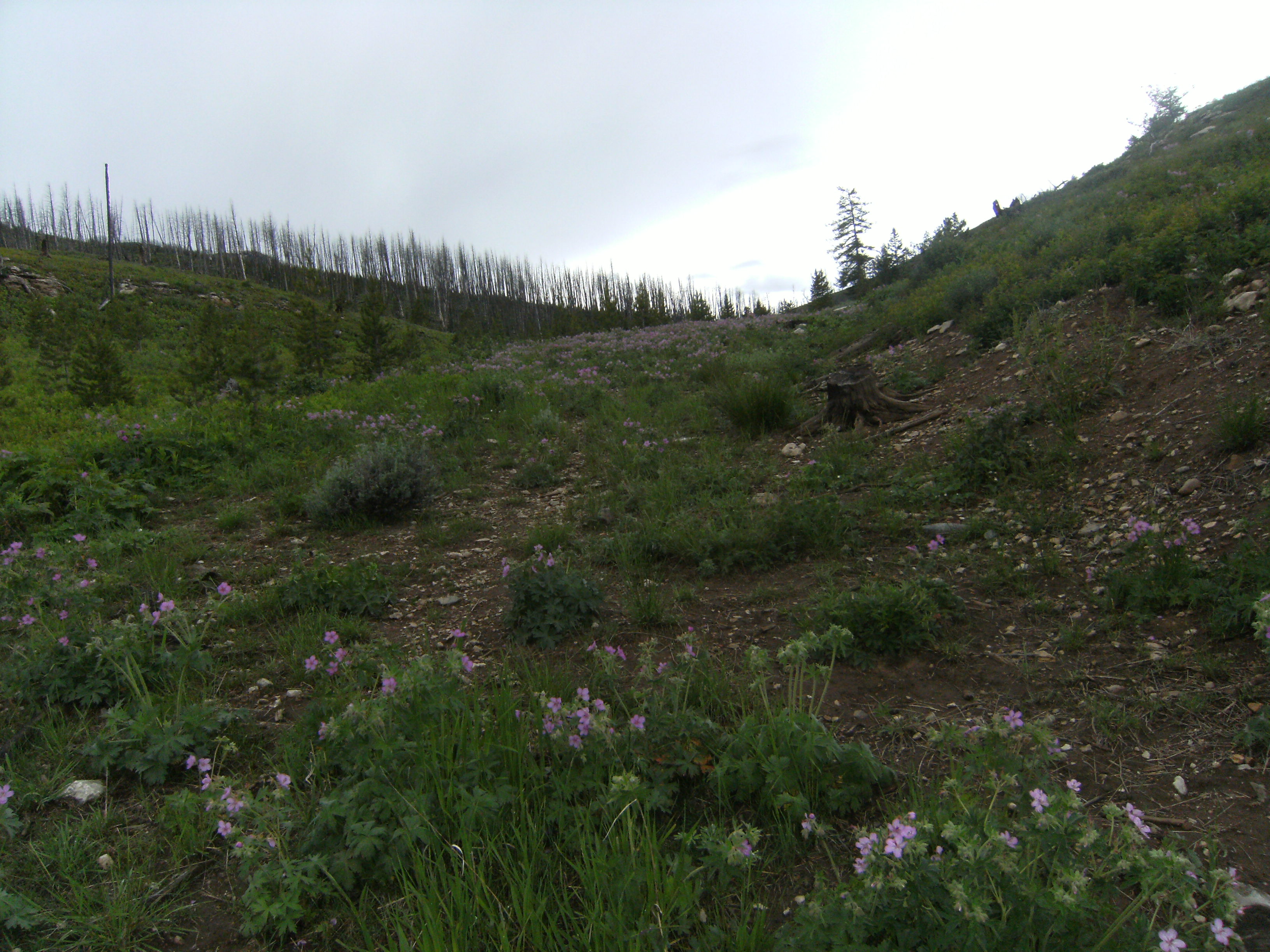
As we headed towards the top of the ridge, an old fire cut from the ’88 fires, now overgrown, was covered with Geraniums.  Apparently these plants like disturbed areas.

Geraniums in disturbed area-old road cut

Geraniums in disturbed area-old road cut

The ridgeline meadows were magnificent.  Plenty of water and waterfalls along the way.  So much water so high up.  The old fires had provided great forage areas.High meadow and old burn

Koda catches a whiff

Koda smells out the grizzlies

On the way down, Koda stopped at the cliff edge.  I thought he was looking at the view.  My old dog used to relish the views from high ridges.  But Koda is different.  He’s still young and not prone to being pensive nor reflective yet.

I stepped to the edge and noticed two grizzlies below in the tarns.  I don’t know if Koda saw them, but he certainly smelled them.  I bet they smelled us too.  At first I just saw a smallish black bear, and, from afar, tried to make out whether he was a grizzly or not.  It was hard to see the hump or his face clearly enough.  But then, following about 20′ behind, I saw a large brown grizzly.  I assumed the black bear was her two year old cub.  Unfortunately, I didn’t have my new camera with me so the shot is far away.  But, that’s about the distance I like to see bears from.

Look close there's the grizzly

Look close there's the mama grizzly. Black cub is in the upper left corner.

I glassed the bears for as long as the mosquitos would let me.  They moved down the mountain, through the scree and downed timber, foraging as they went.  What a privilege to see these magnificent animals.  As always, I carry bear spray, but what I use the most is my mosquito spray!

Big Horns, Medicine Wheel, and the Pryors

Last week I took off for a few days and went to the Big Horns.  I intended to go for 3 days, but got rained out on the second evening.  I had been to the Pryors a few days before, and was quite taken with the area so I wanted to explore it more.  The Pryors are sacred to the Crow Indians.  Part of the land is on Crow Reservation and not accessible to the public.  Some of the mountains are in Montana, and some in Wyoming, with a section of it reserved for Wild Horses.  The entire area is considered a Wilderness Study Area, which means that it’s pending designated Wilderness.  Rarely visited, its a special place.  There are some old uranium mines there and mining claims.

Since Day 1 was really hot, I decided to backtrack to the Pryors and head first for the Big Horns.  My main intention was to go to The Medicine Wheel.   This is a holy site for many Plains Indians tribes.  Its a place of pilgrimage.

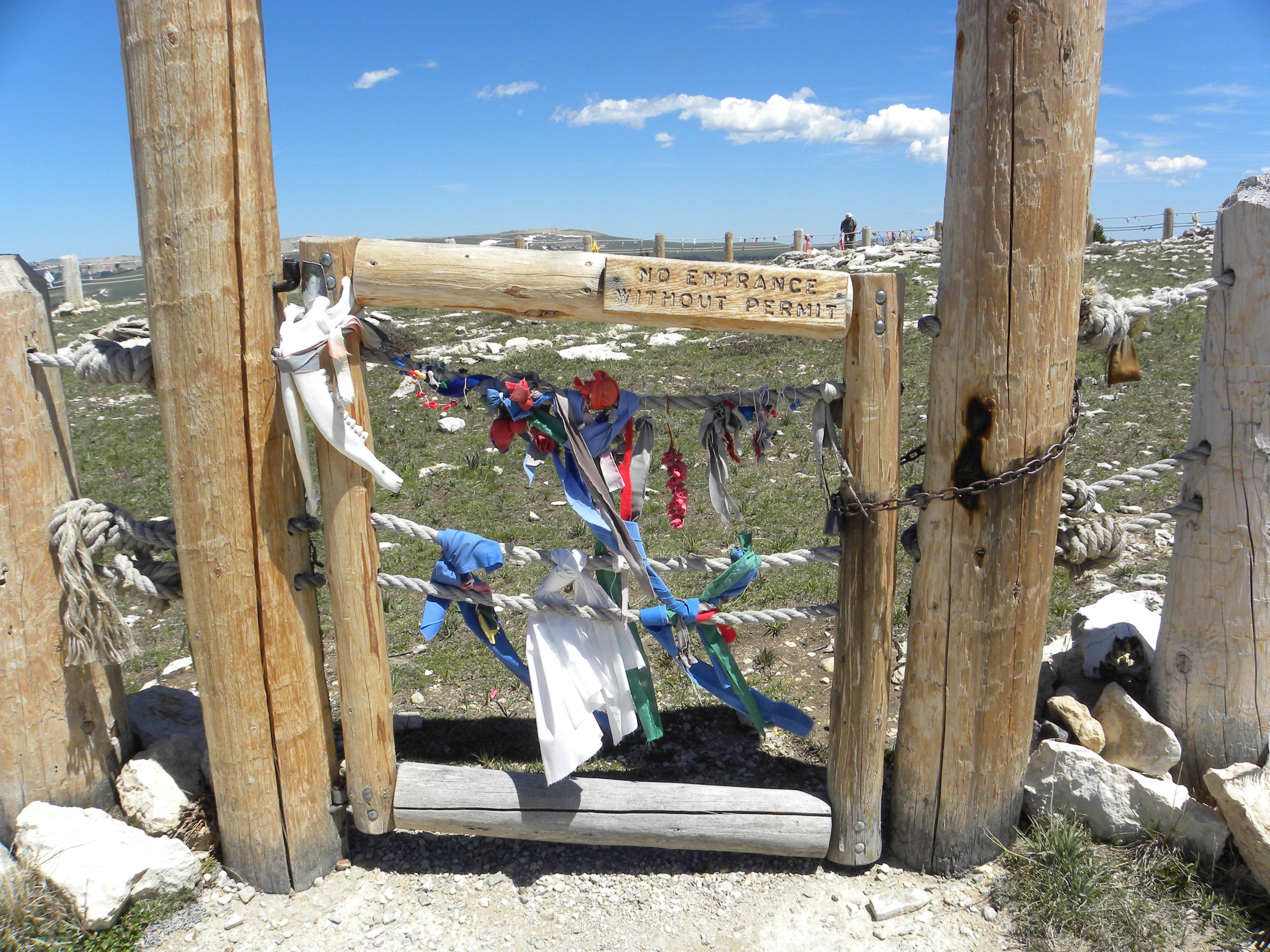
Entrance to Medicine Wheel

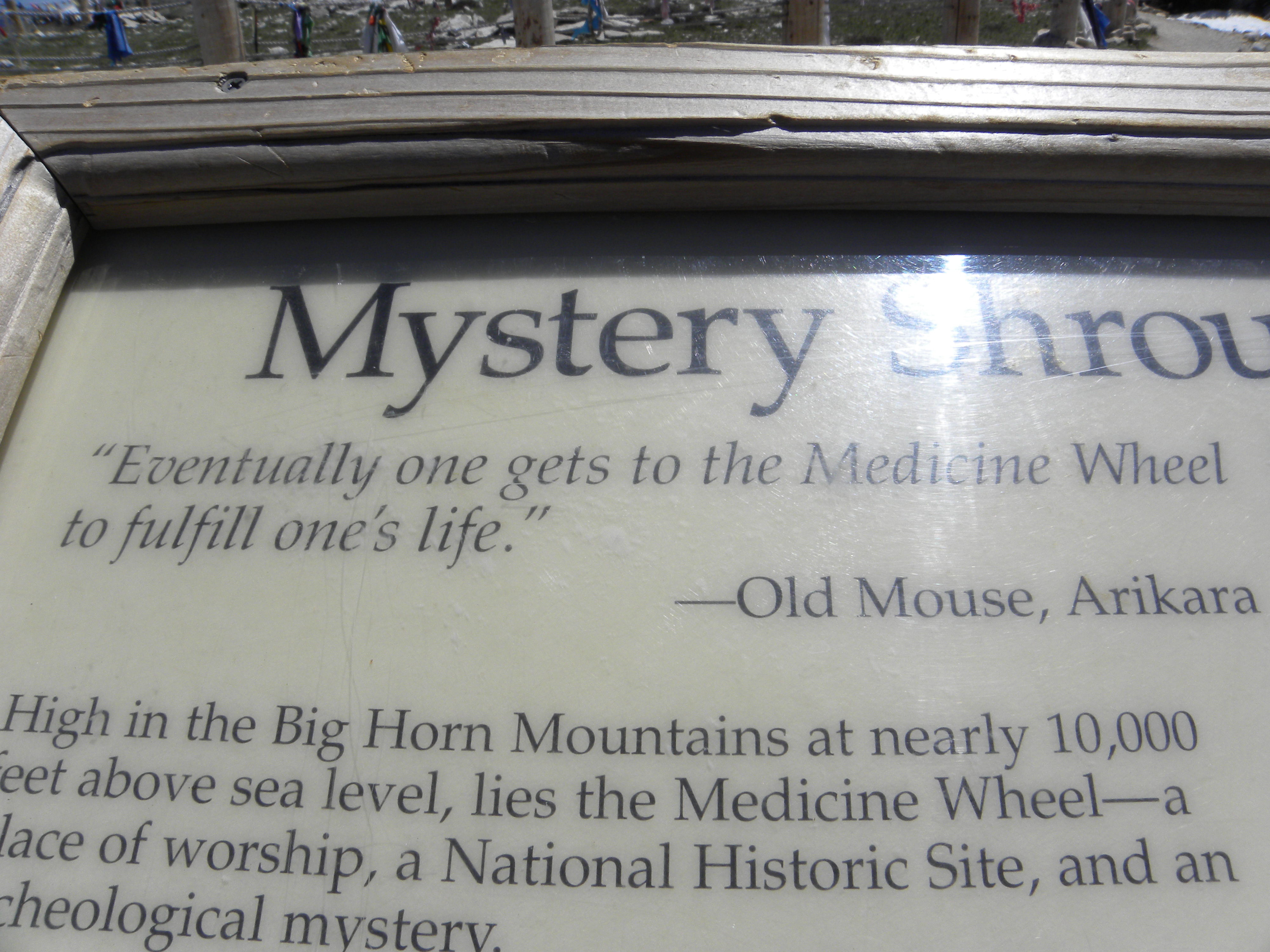
Signage at the site notes that some people can prepare for a year before making the trip.  A young Forest Ranger was stationed at the Wheel to make sure there was no vandalism, and if Native Americans wanted to go inside, he had a key.  When ceremonies are conducted, the site is closed to tourists.

He told me that years ago, before there was such tight control, tourists (not Native Americans) would take home rocks from the structure as souvenirs. In fact, he said, the height of the circle of rocks was 2′ or 3′ taller than it is today.

I was reminded that in Uluru, tourists sometimes take home pieces from the sacred site.  There is a large collection of rocks that were mailed back to Uluru because tourists went home and felt they were brought bad luck, bad karma, or whatever, from taking souvenirs from the site.Medicine Wheel signageI circumambulated the Wheel three times and left a small gift at the East facing entrance.  Its a wonderful and mysterious place.  Some say it was constructed by Sheepeaters.
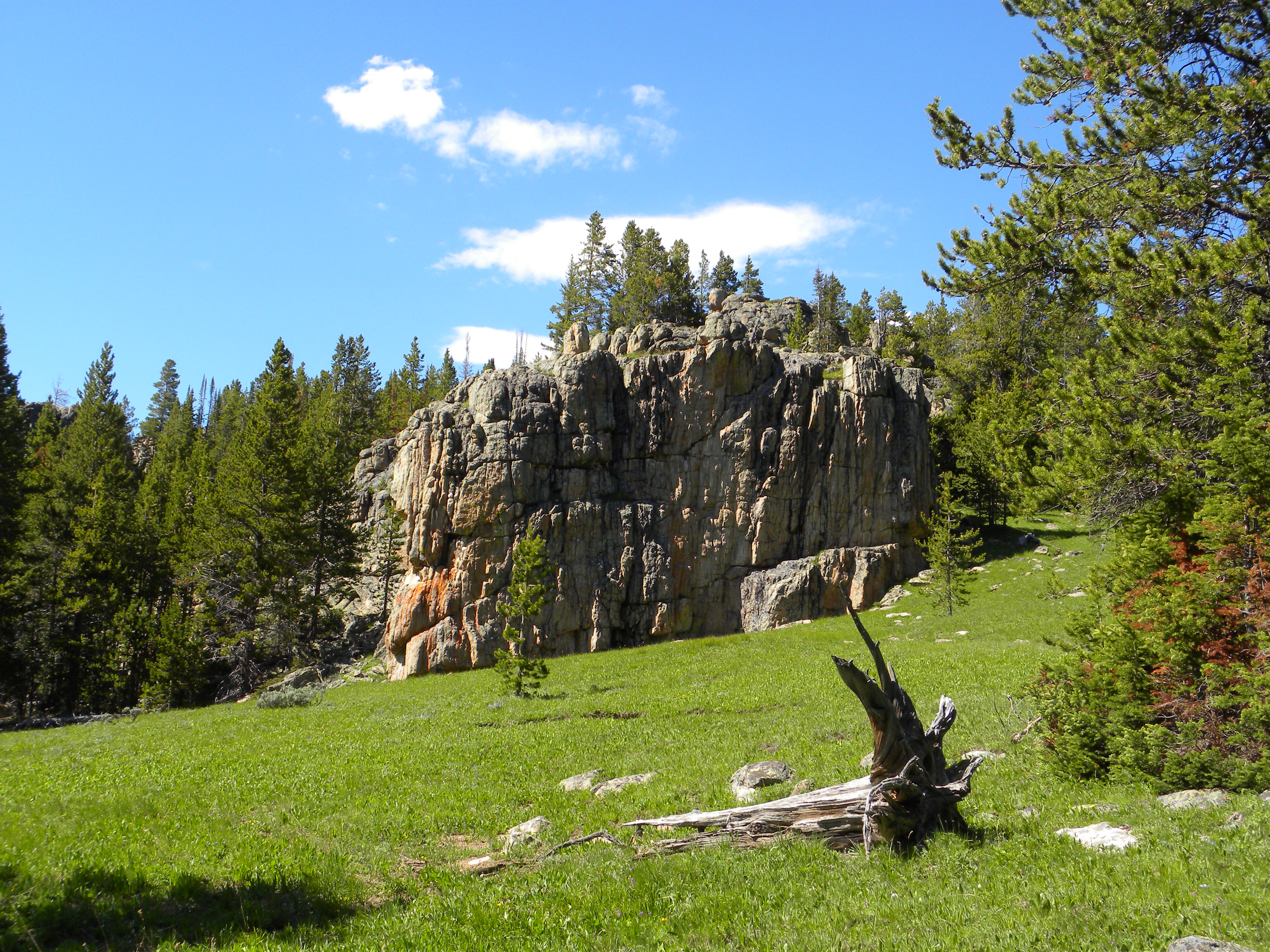
From there I took the Jaws hike down a beautiful canyon opposite the Wheel.  I saw several moose and deer with their antlers in velvet.

The jaws hike

The jaws hike

Along the canyon hike

Along the canyon hike

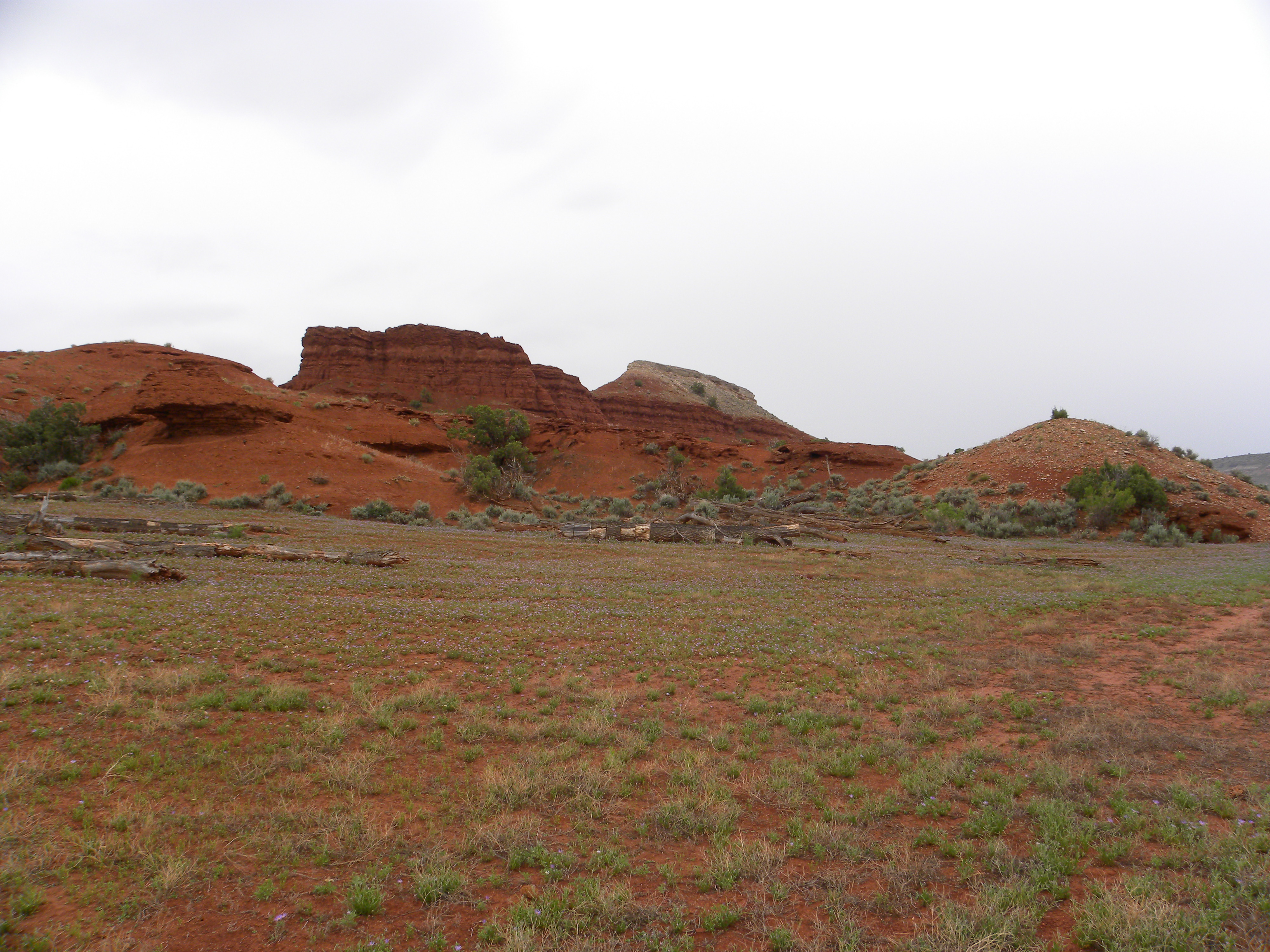
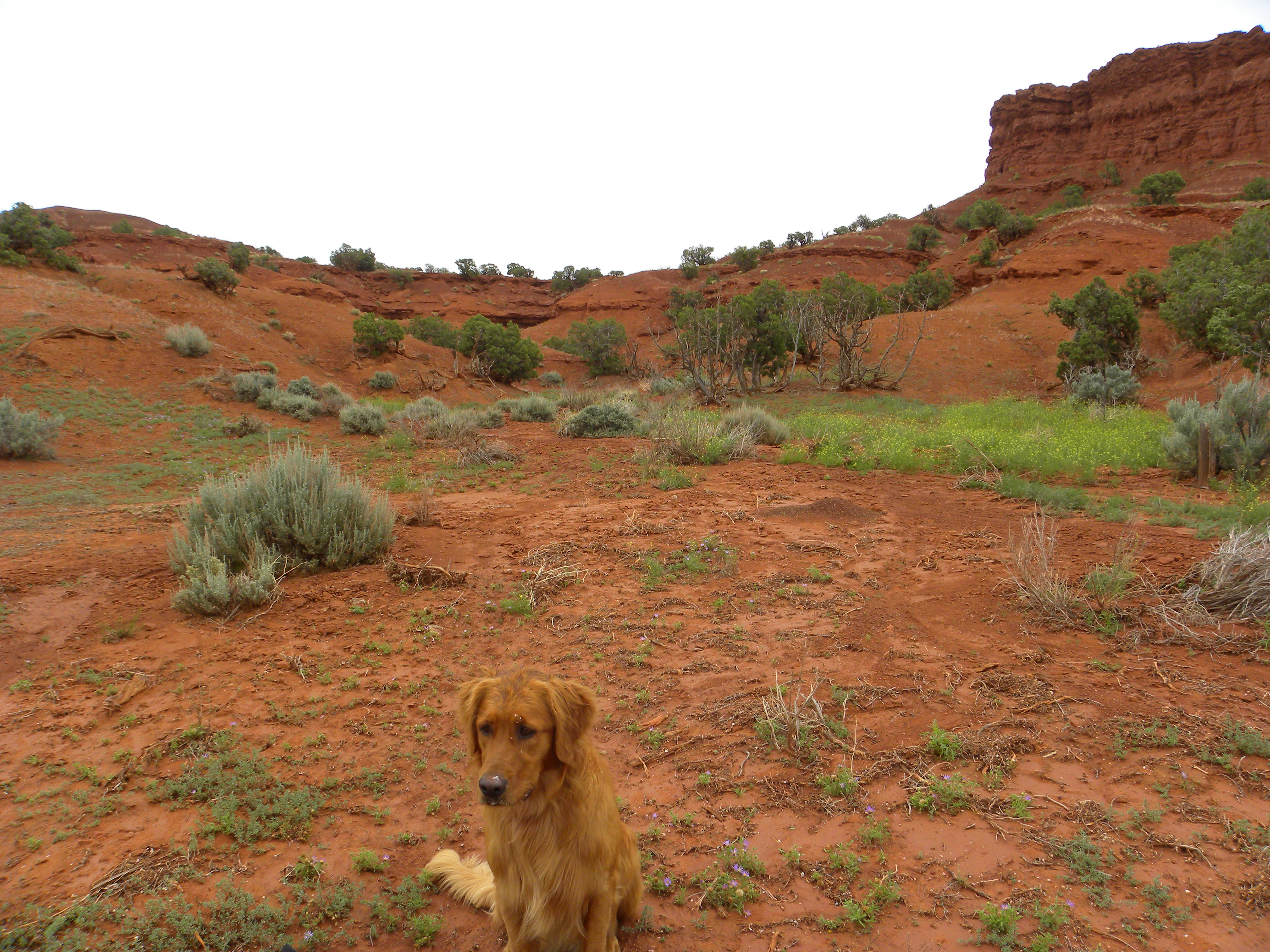
The next day I went to the Pryors.  It was overcast and drizzling, perfect weather for hiking in this exposed country.  The Pryors were an ancient Indian route through the Big Horn Canyon.  There are many spots right along the main road of the Recreation Area with teepee rings.  Instead of going along the main road, I took a 4×4 track.

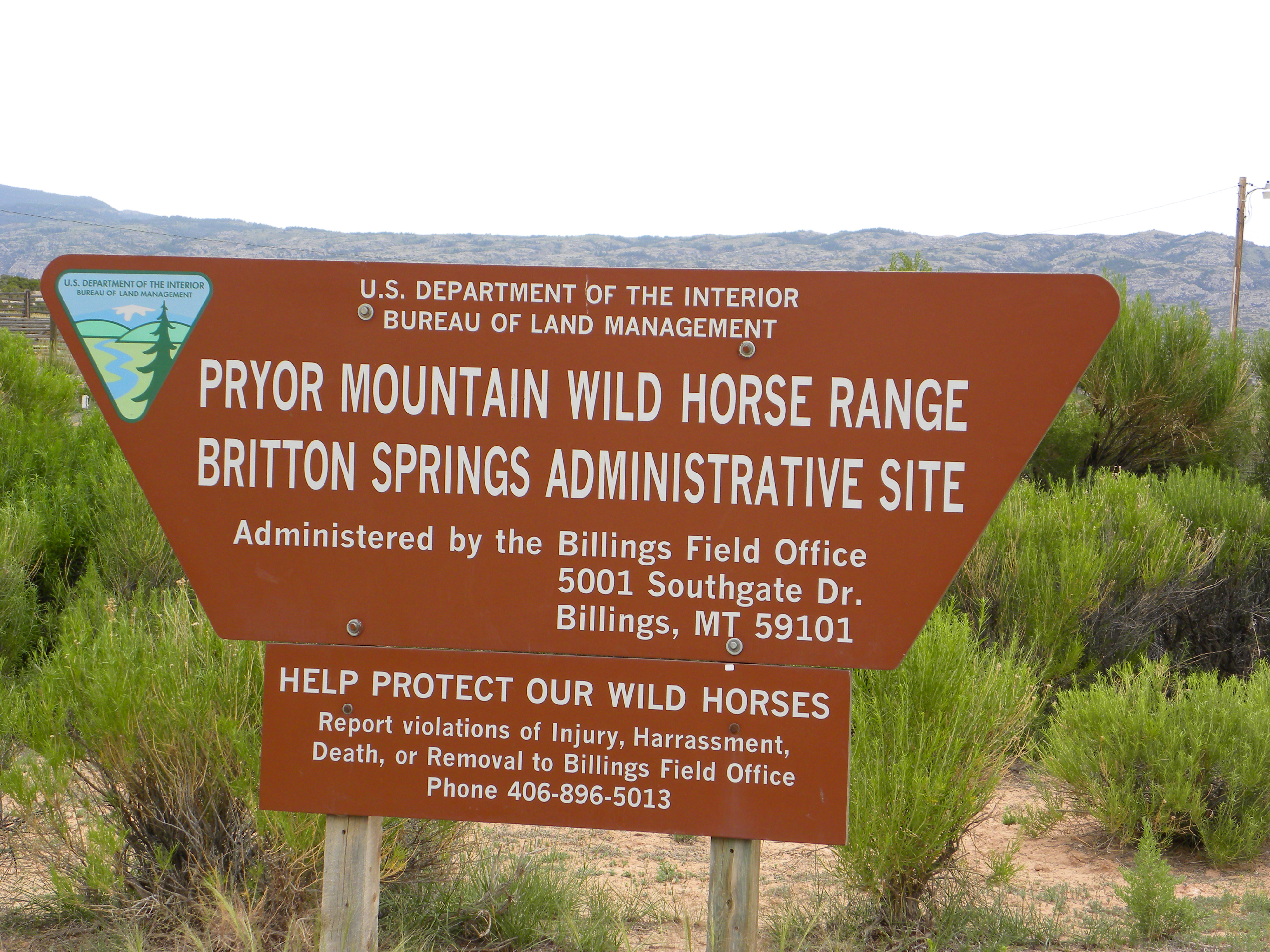
Pryor Mountain Wild Horse RangeThe Pryors

Koda matches

Koda matches

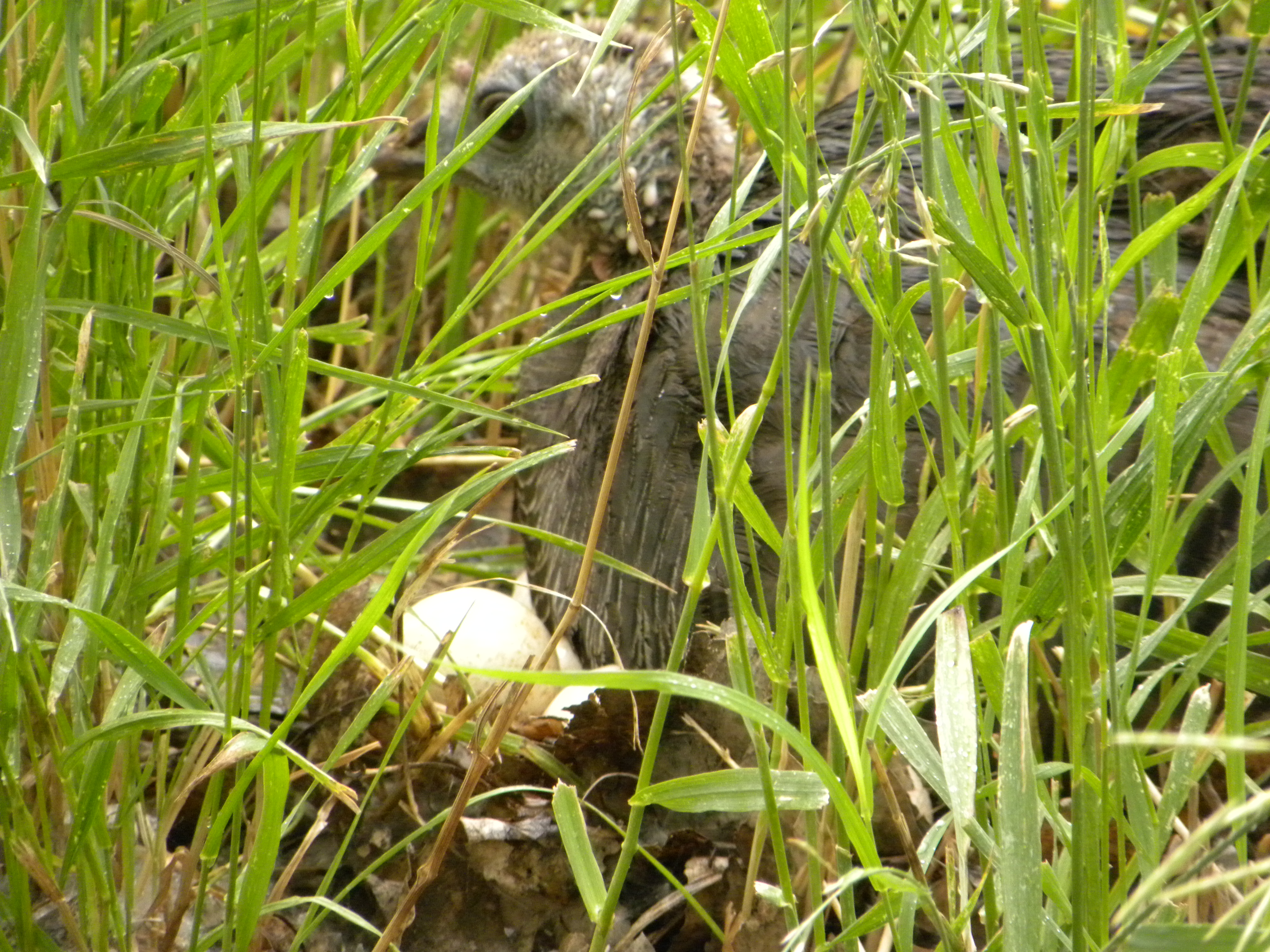
On the way out I encountered a mama wild turkey on her clutch of eggs.Wild Turkey on eggs

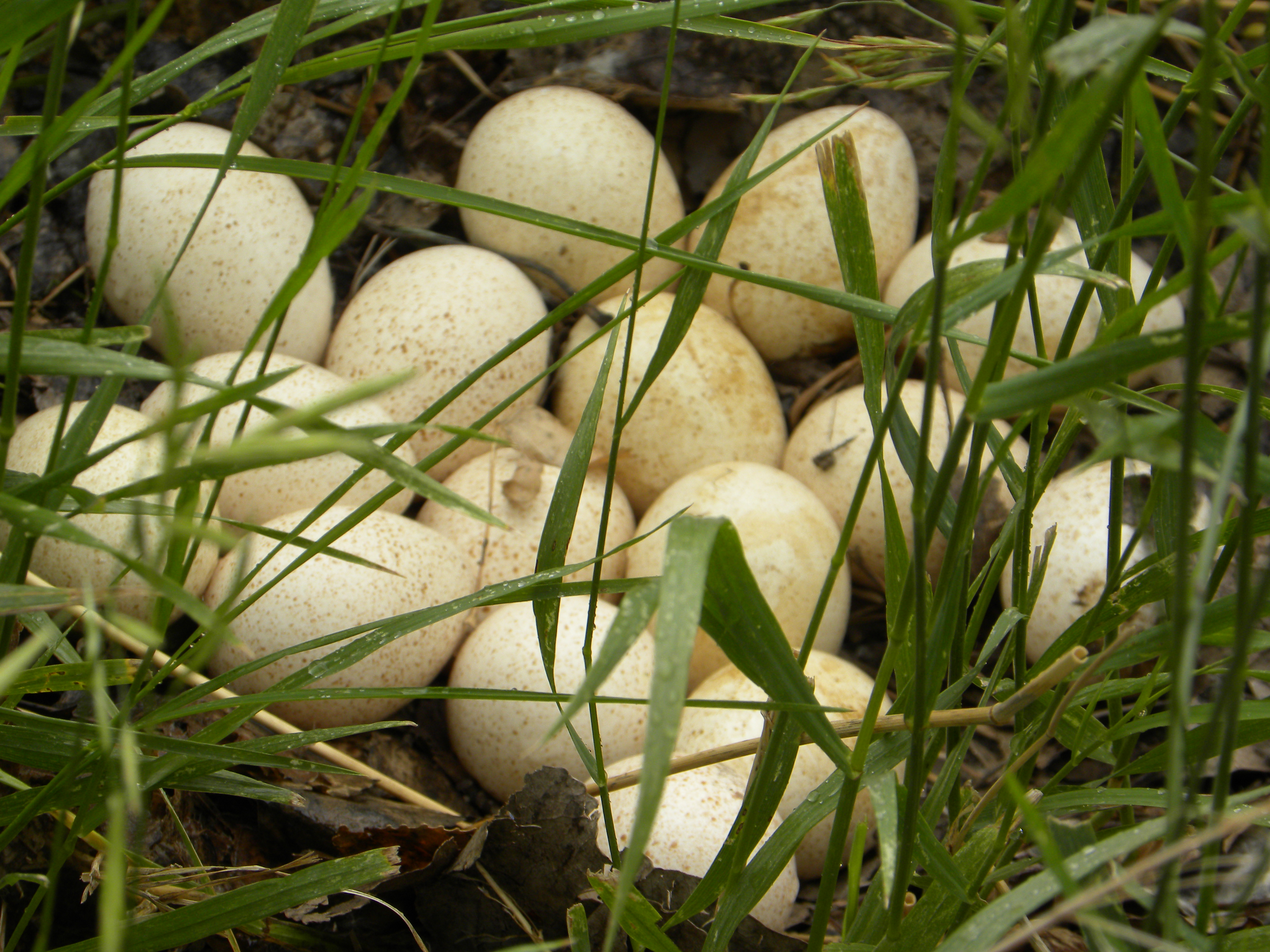
Wild turkey eggs

Coyote pups

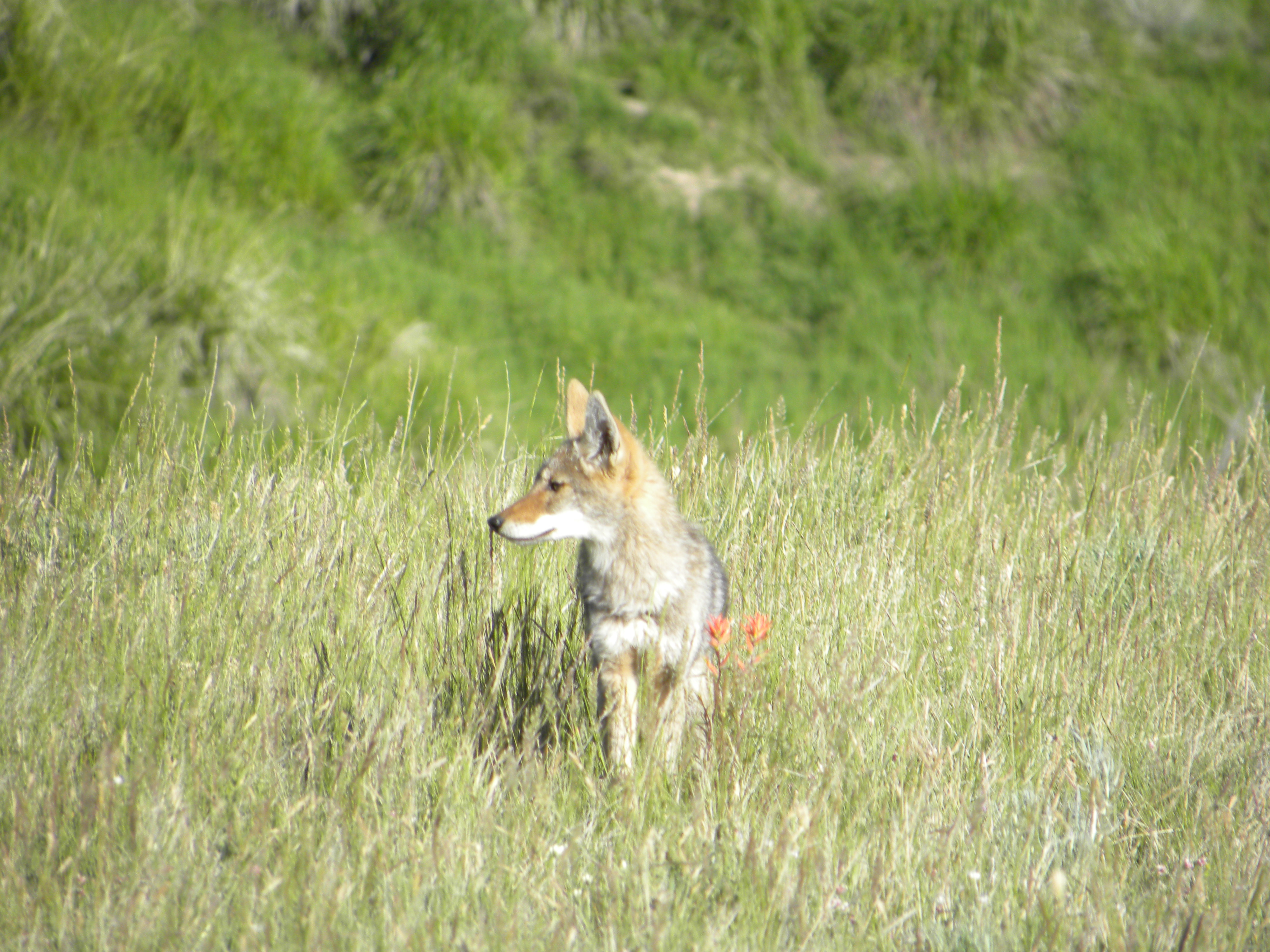
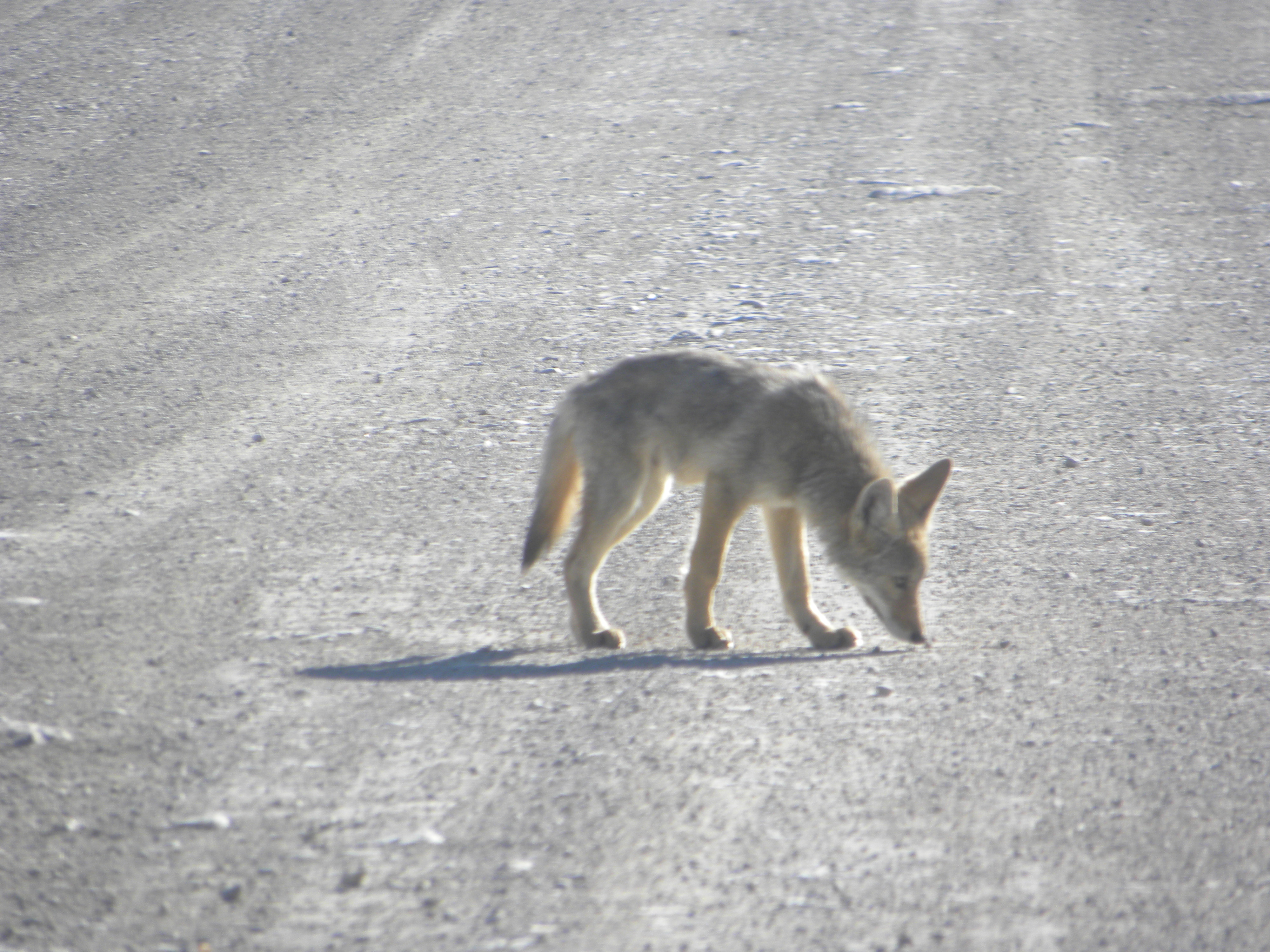
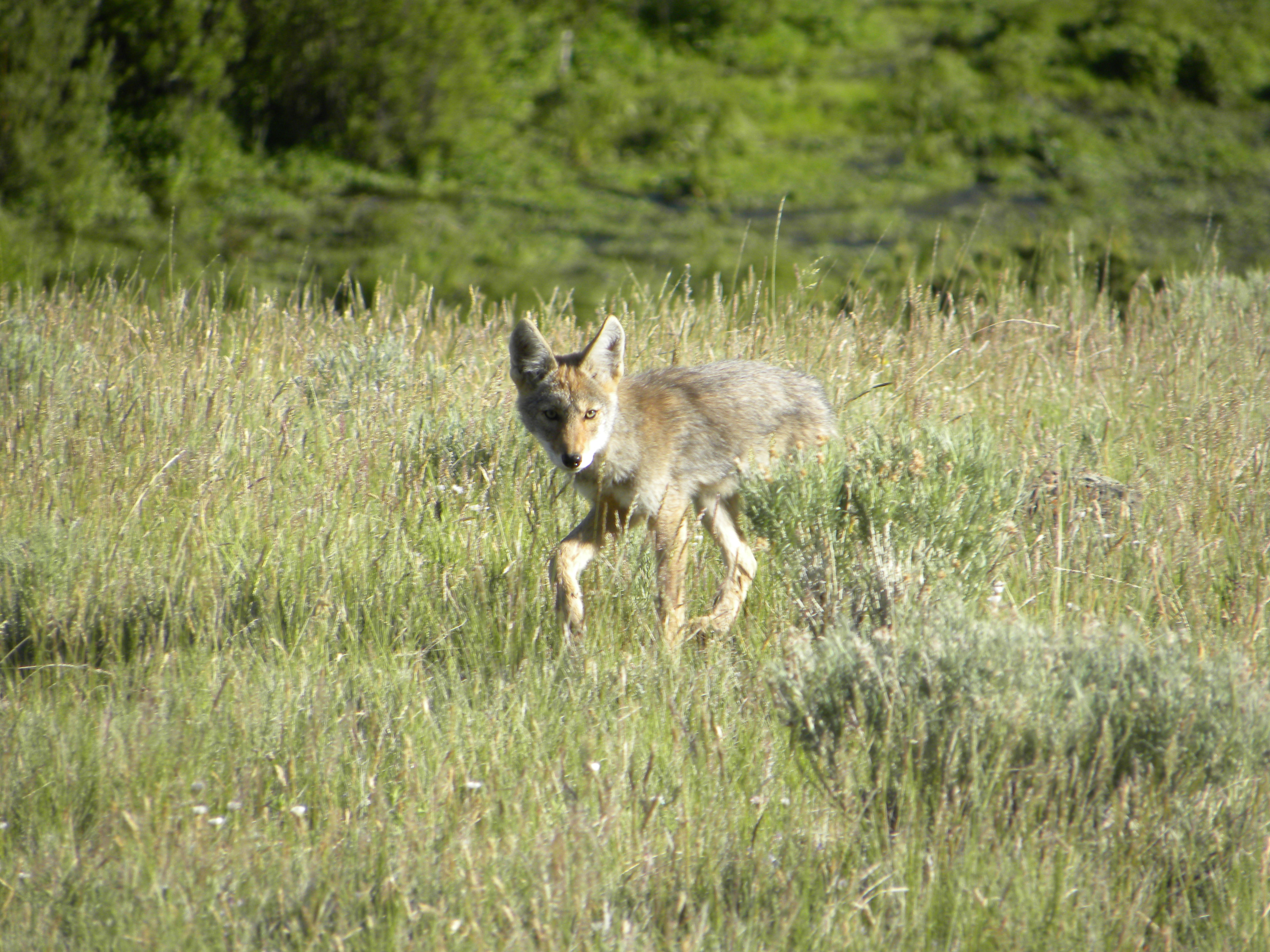
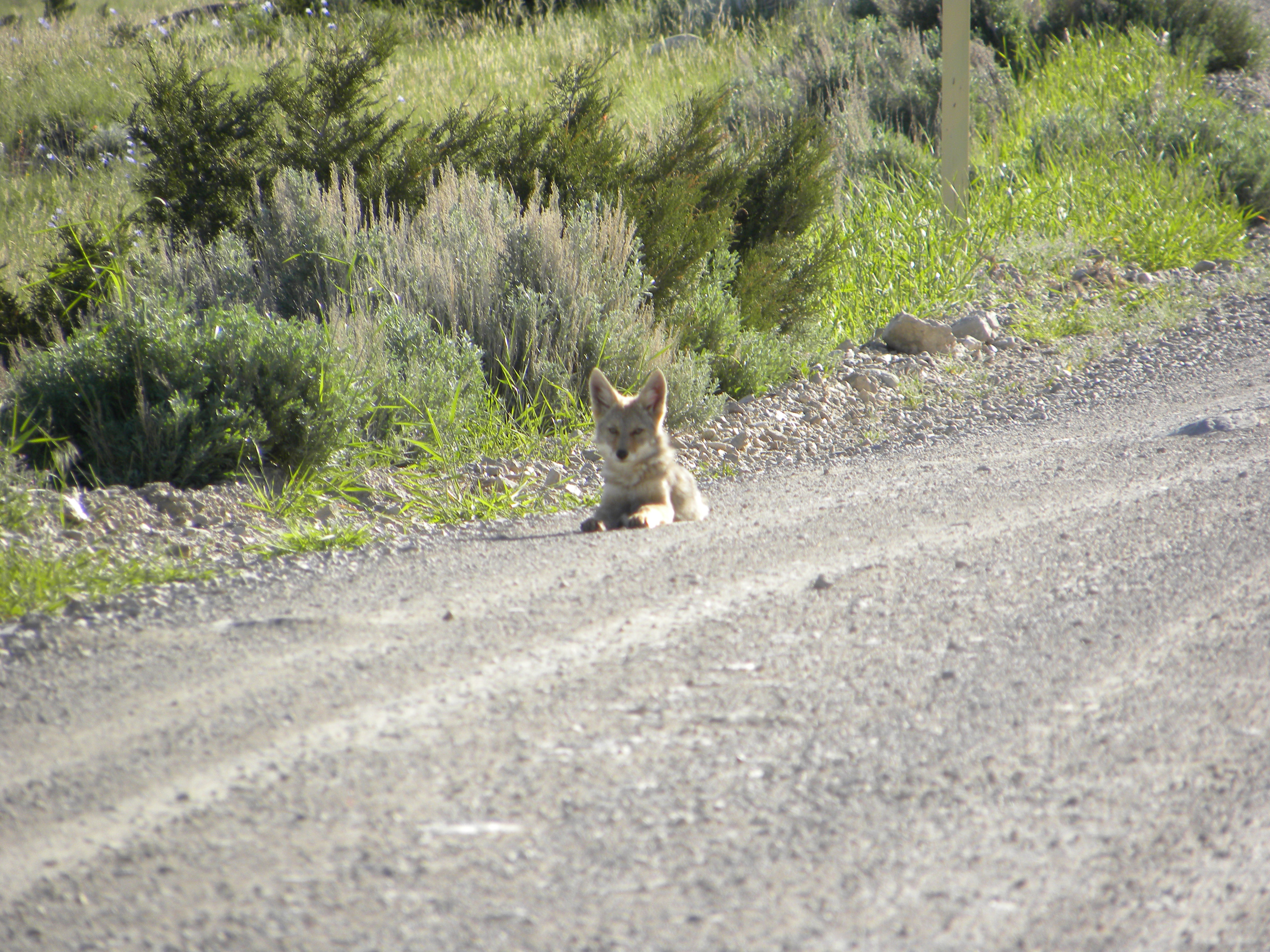
Yesterday morning I came across four coyote pups sniffing around the main dirt road.  Three of them finally trotted off through the meadow and down the hill towards the marsh area.  But one little pup, obviously the bold budding hunter of the group, remained in the meadows learning to hunt.

I’ve seen their mom around this territory, but she was no where in site this morning.  Not sure exactly on their age, but they look somewhere in the neighborhood of 10 weeks, I think.

Totally cute coyote pupCoyote pup huntingCoyote pup sniffing something in roadCoyote pup in grassCoyote pup

In Praise of Magical Thinking

The other day I was watching a TV program on the housing meltdown.  The man they interviewed had been a NY times expert on the financial market and had warned the public not to get caught up in the mortgage scams.  Then he turned around, bought a high priced home with a huge mortgage, thinking that his wife’s salary would pay for living expenses while his salary would pay for the mortgage.  Trouble was, his wife wasn’t even working.  They assumed she’d get a job and all would be well, but that never happened.   In fact, in the interview, he gave the impression his wife never had the desire nor intention to find a job.

The interviewer asked “How could you, of all people, who warned us this was happening, do this?”

“We just got caught up in magical thinking”, he said.

This gave me pause to think about that phase magical thinking, as if there’s something wrong with it, as opposed to rational thinking.  Personally, I would not call what the NY times expert got himself into magical thinking.  I might call it Not Thinking.

I think we’re all predisposed to thinking and feeling in magical ways.  I might suggest we’re even wired for that.  And to go further, we need that.  Thinking non-sequentially, allowing the mind to float through time, to daydream, to make odd connections and think even bizarrely, comes from a deep place, a wellspring, the source of creativity.

I got to pondering that, possibly, in today’s modern world, there is no room for this expression, so it comes out in odd and edgy ways, as it did with the finance expert.  Because we’re so overloaded with rationality in our daily lives, our natural expression of magic and synchronicity is relegated to the fringes of our existence.

Living outside in a natural setting, magical thinking is well placed, useful, and even a survival skill.  Yet this idea of magical thinking is only the tip of the iceberg, an expression of a deeper and unexplored realm that our modern lives can not afford to allow, for if we did, society might just slow down too much and who knows what could unravel.

Deep in our past and collective unconscious there is the living remembrance of the natural world, there are the animals who live with us, and there is the constant vibrating pulse of Life, and there is death that is a daily part of this thing we call Life.  In our wisdom we recognize the circular, even spherical nature, of existence, intuitively.  Long ago, every day we took time to observe a sunset for it foretold the nights’ weather.  Everyday we noticed animal sign, as it contained our next meal or spelled danger.  We watched animals and they gave us information about other animals, or weather, or even unexplainable events such as earthquakes.

In our past, animals were emblems of the spirit world; animals were observed to be deep contemplatives.  The bobcat sitting still for hours is one expression. But even the busy bees who seem to never relax:  go into a hive and their buzzing has a deeply calming, meditative, effect.  Economical in their physical needs, alert when needed, and falling into contemplation the rest of their waking time, animals drew us into this ‘magical’ realm of spirit.  Our ancestors knew this and that is why animals were a clear and present connection to spirit.  That is why they said their thanks to the animal before they killed them.  That is why their stories of creation and myth give great powers to animals.  All around them (and us today although we have lost contact with this in our ‘modern’ world) was the magical means for a deep living connection with Presence and Spirit.IMG0102_1

Living in a world where wild animals are confined to parks, we are not in contact with their daily expressions in our lives.  Even in rural areas where there are more human/animal interactions, our lives are not intertwined with them, nor are we dependent on them for our survival or information about the world around us.  We have no need to understand the daily movements of the deer in our yards or pastures, where they bed down, what they prefer to eat and when. We no longer dress in their skins and ‘become’ them, dance as them, sing their songs, to the point that we know them as channels, a magical entrance to a different way of seeing and knowing.

Sometimes it is just good to be overwhelmed.  Lewis and Clark talked about seeing 10,000 bison with packs of ‘Buffalo Wolves’ (as they were called because they followed the herds), elk, and deer, all in one glance upon the prairie.  Sometimes that sense of overwhelm puts us in our natural place.  Sometimes we need to be deluged by natural forces for our minds to go quiet so something else can come into play in our lives.  That is what I call magical thinking.

Conduits to another World; the pure herd.

Conduits to another World; the pure herd.

Water, the universal solvent

Water, the universal solvent